


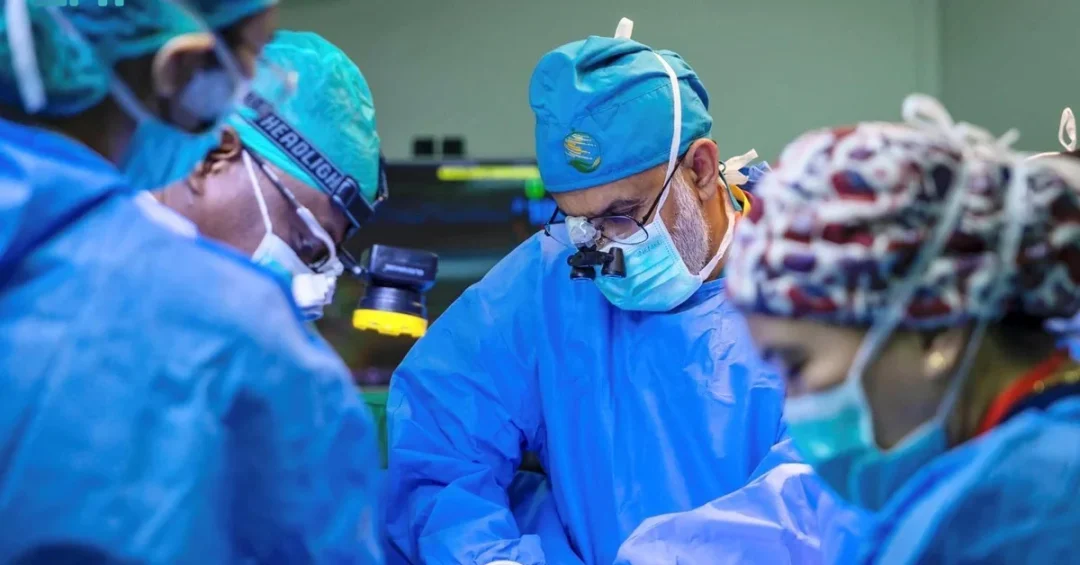
The kidney dialysis center at Banadir Hospital in Mogadishu, supported by the King Salman Humanitarian Aid and Relief Center (KSrelief), treated 350 patients in July 2024, according to the Saudi Press Agency. This achievement underscores Saudi Arabia’s ongoing commitment to humanitarian health support in Somalia, a key pillar of the Kingdom’s broader foreign aid strategy under Vision 2030.
Context and Background
The dialysis center, established with Saudi support through KSrelief, addresses a critical need in Mogadishu, where kidney disease treatment has historically been limited by lack of infrastructure and medical supplies. Since its inception, the center has become a lifeline for patients suffering from renal failure, providing both scheduled and emergency care. KSrelief, the Kingdom’s leading humanitarian agency, has been active in Somalia for years, focusing on health, food security, and water projects to stabilize communities and build resilience.
Key Details
In July, 166 dialysis patients underwent 1,055 scheduled sessions and 11 emergency procedures, while 177 additional patients received medical examinations and tests at the associated kidney diseases clinic. Male patients accounted for 62% of the total, with females at 38%, and displaced individuals made up 2% of those treated, with residents constituting 98%. This data reflects the center’s accessibility to both local and vulnerable populations, ensuring equitable care.
Humanitarian Impact and Regional Stability
Such healthcare initiatives play a vital role in stabilizing Somalia, a nation grappling with decades of conflict and recurrent drought. By reducing the burden on overstretched local facilities, the center helps prevent medical crises that could exacerbate displacement and economic hardship. International observers note that Saudi Arabia’s consistent health aid, including dialysis and chronic disease management, builds trust and strengthens bilateral ties between Riyadh and Mogadishu.
Vision 2030 Alignment
This project directly aligns with Vision 2030 goals of enhancing Saudi Arabia’s global humanitarian footprint and fostering stable partnerships in Africa. By investing in health infrastructure abroad, the Kingdom not only alleviates suffering but also promotes economic and social development in partner nations. Future expansions of KSrelief programs in Somalia are expected to further reduce mortality rates from preventable diseases, reinforcing Saudi leadership in international aid and its commitment to a prosperous, healthier world.
20 Questions
Q1. What is the name of the hospital hosting the dialysis center?
A1. The dialysis center is located at Banadir Hospital in Mogadishu, the capital of Somalia.
Q2. Which Saudi organization supports the center?
A2. The center is supported by the King Salman Humanitarian Aid and Relief Center (KSrelief).
Q3. How many patients were treated in July 2024?
A3. A total of 350 patients received treatment at the center during July 2024.
Q4. How many dialysis sessions were conducted?
A4. The center performed 1,055 scheduled dialysis sessions in July.
Q5. Were any emergency dialysis sessions carried out?
A5. Yes, 11 emergency dialysis sessions were conducted during the same period.
Q6. How many patients visited the kidney diseases clinic?
A6. In addition to dialysis patients, 177 patients received examinations and tests at the clinic.
Q7. What percentage of patients were male?
A7. Male patients made up 62% of the total treated population.
Q8. What percentage of patients were female?
A8. Female patients accounted for 38% of those treated in July.
Q9. Did the center treat displaced individuals?
A9. Yes, displaced individuals constituted 2% of the patient population.
Q10. What percentage of patients were residents?
A10. Residents made up 98% of the patients treated at the center.
Q11. What is the primary goal of KSrelief’s health programs?
A11. KSrelief aims to enhance healthcare infrastructure and reduce suffering in vulnerable communities worldwide.
Q12. How does this center contribute to Somalia’s stability?
A12. By offering reliable dialysis, the center prevents medical emergencies that could worsen displacement and economic strain.
Q13. Is this project aligned with Vision 2030?
A13. Yes, it supports Vision 2030’s goal of expanding Saudi Arabia’s humanitarian impact and building global partnerships.
Q14. What other types of aid does KSrelief provide in Somalia?
A14. KSrelief also supports food security, water projects, and medical supplies across Somalia.
Q15. Who announced the patient statistics for July?
A15. The Saudi Press Agency (SPA) released the data based on official reports from KSrelief.
Q16. Why is dialysis care critical in Mogadishu?
A16. Kidney disease is prevalent, and local infrastructure is often insufficient to meet demand without international support.
Q17. Does the center treat chronic conditions only?
A17. It treats both chronic dialysis patients and those requiring emergency intervention for renal issues.
Q18. How does this project strengthen Saudi-Somali ties?
A18. Consistent humanitarian health aid builds trust and demonstrates Saudi Arabia’s commitment to Somalia’s well-being.
Q19. Will the center’s capacity expand in the future?
A19. KSrelief plans to continue supporting and potentially expanding health projects in Somalia as part of ongoing aid programs.
Q20. What is the overall significance of this report?
A20. It highlights Saudi Arabia’s effective humanitarian role in Africa, delivering measurable health outcomes that align with international development goals.
Reader Feedback
We value your thoughts. Please share your feedback on this article.
Your feedback helps us improve our coverage.