


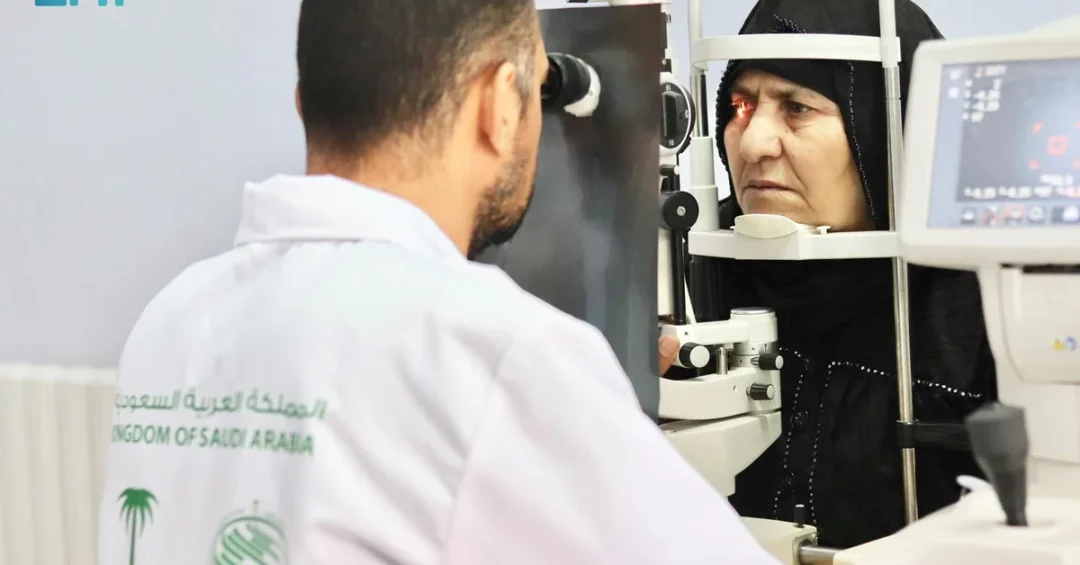
The King Salman Humanitarian Aid and Relief Center (KSrelief) continues its project to enhance healthcare services for Syrian refugees and the host community in Arsal, Lebanon, providing critical medical support during October 2024. The Arsal Primary Health Care Center, supported by KSrelief, treated 12,676 patients and delivered 23,386 services across multiple departments, including clinics, pharmacy, laboratory, nursing, and community and mental health programs. Beneficiaries included 37% males and 63% females, with refugees comprising 55% of patients and local residents 45%.
Context and Background
This initiative, announced by the Saudi Press Agency on January 6, 2025, underscores Saudi Arabia’s longstanding commitment to humanitarian aid through KSrelief, established in 2015 under the direction of King Salman bin Abdulaziz Al Saud. Arsal, a town near the Syrian border, has hosted a significant number of Syrian refugees fleeing the ongoing conflict, placing strain on local infrastructure and healthcare systems. KSrelief’s intervention aims to address pressing medical needs while supporting Lebanon’s capacity to manage the refugee crisis.
Key Details of the Healthcare Project
The Arsal Primary Health Care Center provides a comprehensive range of services, as detailed by KSrelief. The clinic departments treated a diverse patient population, with refugees making up 55% of cases and Lebanese residents 45%. Services included outpatient consultations, pharmaceutical distribution, laboratory testing, nursing care, and specialized community and mental health programs. The gender distribution—63% female and 37% male—reflects targeted efforts to address women’s health needs, including maternal and child care. This project is part of a broader KSrelief portfolio in Lebanon, which also includes food security, education, and shelter assistance for Syrian refugees and vulnerable host communities.
Implications for Regional Humanitarian Efforts
This healthcare delivery model demonstrates Saudi Arabia’s role as a leading humanitarian donor in the Middle East, with KSrelief coordinating closely with Lebanese authorities and international organizations. By integrating refugee and host community care, the project promotes social cohesion and reduces tensions over resource allocation. The mental health services, in particular, address often-overlooked trauma from years of displacement, aligning with global best practices in refugee health. Such initiatives also support Lebanon’s fragile healthcare system, which has been strained by economic crises and political instability.
Vision 2030 Alignment
This healthcare project directly supports Saudi Arabia’s Vision 2030 goals of enhancing the Kingdom’s global humanitarian leadership and fostering international cooperation. By alleviating suffering and promoting stability in neighboring countries, Saudi Arabia contributes to regional peace and security—a cornerstone of Vision 2030’s outward-looking strategy. KSrelief’s work in Arsal exemplifies the Kingdom’s commitment to the United Nations Sustainable Development Goals, particularly Good Health and Well-being (SDG 3) and Partnerships for the Goals (SDG 17). As Saudi Arabia continues to expand its humanitarian footprint, such initiatives underscore its role as a responsible global actor, building bridges and delivering hope to those in need.
20 Questions
Q1. What is KSrelief?
A1. The King Salman Humanitarian Aid and Relief Center (KSrelief) is Saudi Arabia’s official humanitarian agency, established in 2015 to coordinate and deliver aid globally, focusing on health, food, and shelter.
Q2. Where is Arsal located?
A2. Arsal is a town in northeastern Lebanon, near the Syrian border. It hosts a large number of Syrian refugees due to its proximity to conflict zones.
Q3. How many patients were treated in October 2024?
A3. The Arsal Primary Health Care Center treated 12,676 patients during October 2024, providing a total of 23,386 medical services.
Q4. What types of services does the center offer?
A4. Services include outpatient clinics, a pharmacy, laboratory testing, nursing care, and community-based mental health programs.
Q5. What percentage of patients were refugees?
A5. Refugees made up 55% of the patients, while Lebanese residents from the host community constituted 45%.
Q6. Why is healthcare support needed in Arsal?
A6. Arsal’s healthcare system is under strain due to the influx of Syrian refugees and Lebanon’s economic crisis, limiting access to medical services.
Q7. How does this project benefit the host community?
A7. By serving both refugees and Lebanese residents, the project reduces pressure on local resources and promotes social harmony.
Q8. What is the gender breakdown of beneficiaries?
A8. 63% of beneficiaries were female and 37% male, reflecting targeted health services for women and children.
Q9. Is this part of a larger Saudi humanitarian effort?
A9. Yes, KSrelief manages multiple projects in Lebanon and globally, including food aid, education, and shelter for refugees.
Q10. How does KSrelief coordinate with local authorities?
A10. KSrelief works with the Lebanese Ministry of Health and local municipalities to align services with community needs and official protocols.
Q11. What is the role of mental health services?
A11. Mental health programs address trauma and stress from displacement, providing counseling and support for refugees and residents.
Q12. How long has KSrelief been active in Lebanon?
A12. KSrelief has operated in Lebanon since 2015, focusing on Syrian refugee relief and supporting host communities through various health and aid projects.
Q13. Does the project use local staff?
A13. Yes, the center employs local Lebanese healthcare professionals, boosting local employment and ensuring culturally sensitive care.
Q14. What is the significance of October’s patient numbers?
A14. The high patient volume demonstrates sustained demand for healthcare and KSrelief’s capacity to deliver consistent, large-scale services.
Q15. Are there plans to expand this project?
A15. KSrelief continuously assesses needs and may expand services based on funding, community feedback, and the evolving humanitarian situation.
Q16. How does this align with Vision 2030?
A16. The project supports Vision 2030’s goals of global humanitarian leadership, regional stability, and partnerships for sustainable development.
Q17. What other countries receive KSrelief aid?
A17. KSrelief operates in over 80 countries, including Yemen, Sudan, Pakistan, and Palestine, providing emergency and long-term aid.
Q18. How is the project funded?
A18. Funding comes from the Saudi government through KSrelief’s budget, which is allocated for international humanitarian projects.
Q19. What challenges does the center face?
A19. Challenges include resource constraints, cold season illnesses, and managing high patient volumes with limited infrastructure.
Q20. How can the public support KSrelief’s work?
A20. The public can support through donations to KSrelief’s official channels or by raising awareness via Saudi and international humanitarian platforms.
Reader Feedback
We value your thoughts. Please share your feedback on this article.
Your feedback helps us improve our coverage.