


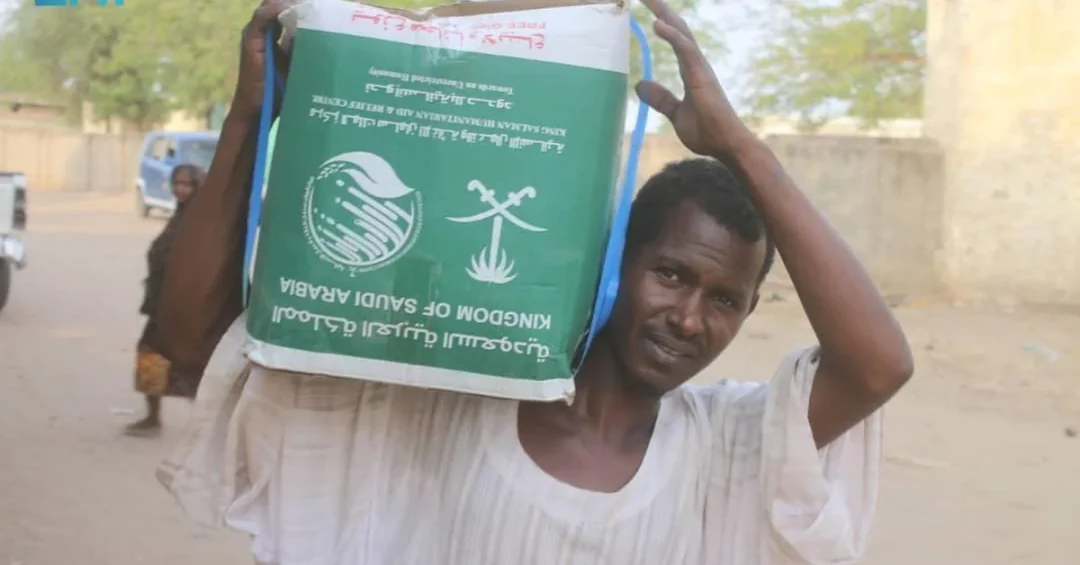
The King Salman Humanitarian Aid and Relief Center (KSrelief) launched the third phase of its food security support project in Sinnar state, Sudan, on February 18, 2025, as part of ongoing Saudi humanitarian efforts to assist displaced populations and returnees across multiple Sudanese states.
Context and Background
Sudan has faced severe humanitarian challenges due to conflict and displacement, with millions lacking access to adequate food and basic necessities. KSrelief, Saudi Arabia’s leading humanitarian agency, has been actively supporting affected communities through phased food security projects. The third phase in Sinnar targets displaced individuals and those returning to their homes under the voluntary return program, which aims to stabilize regions like Gezira, Khartoum, Red Sea, Sinnar, and White Nile states.
Key Details
The project will distribute 30,000 food baskets to vulnerable families, ensuring nutritional support for displaced populations and returnees. Each basket contains essential food items designed to meet basic dietary needs. This initiative builds on previous phases that have already provided relief to thousands. KSrelief coordinates with local authorities and international partners to ensure efficient delivery and targeting of aid.
Implications and Impact
This phase is critical for easing food insecurity in Sinnar and surrounding states, helping to reduce malnutrition and support voluntary return efforts. By facilitating the return of displaced persons, the project contributes to regional stability and economic recovery. It also reinforces Saudi Arabia’s role as a leading humanitarian donor, demonstrating commitment to alleviating suffering in conflict-affected areas across Africa and beyond.
Vision 2030 Alignment
KSrelief’s work directly aligns with Saudi Arabia’s Vision 2030, which emphasizes humanitarian leadership and global responsibility. The Kingdom aims to become a top donor and a model for effective aid delivery. This project exemplifies Saudi Arabia’s dedication to sustainable development and peacebuilding, enhancing its international standing and fostering goodwill among recipient nations.
20 Questions
Q1. What is KSrelief?
A1. KSrelief is the King Salman Humanitarian Aid and Relief Center, Saudi Arabia’s official humanitarian agency established in 2015 to coordinate and deliver aid worldwide.
Q2. When did the third phase of the food security project launch?
A2. The third phase launched on February 18, 2025, in Sinnar state, Sudan.
Q3. How many food baskets will be distributed?
A3. A total of 30,000 food baskets will be distributed to displaced individuals and returnees.
Q4. Which states are covered by the voluntary return program?
A4. The program covers Gezira, Khartoum, Red Sea, Sinnar, and White Nile states.
Q5. What is the purpose of the food baskets?
A5. The food baskets aim to provide essential nutrition to vulnerable populations and support their return to homes.
Q6. Who benefits from this project?
A6. Displaced individuals and families returning to their homes under the voluntary return program benefit.
Q7. Is this KSrelief’s first project in Sudan?
A7. No, KSrelief has implemented multiple humanitarian projects in Sudan, including previous phases of food security support.
Q8. How does KSrelief select beneficiaries?
A8. Beneficiaries are selected based on vulnerability criteria and coordination with local authorities and humanitarian partners.
Q9. What does a typical food basket contain?
A9. A typical basket includes essential items like rice, flour, oil, sugar, and canned goods to meet basic dietary needs.
Q10. How does this project support the voluntary return program?
A10. By providing food security, the project removes a key barrier to return, encouraging displaced persons to go back to their communities.
Q11. What is Saudi Arabia’s role in global humanitarian aid?
A11. Saudi Arabia is one of the world’s largest humanitarian donors, with KSrelief delivering aid to over 90 countries.
Q12. Does KSrelief work with other organizations in Sudan?
A12. Yes, KSrelief partners with local NGOs, Sudanese government agencies, and international bodies for effective delivery.
Q13. How does this project align with Vision 2030?
A13. It reflects Vision 2030’s goal to enhance global humanitarian leadership and sustainable development.
Q14. Is there a monitoring mechanism for the project?
A14. Yes, KSrelief monitors distribution through field teams and partners to ensure transparency and accountability.
Q15. What is the timeline for the third phase?
A15. The distribution timeline is not specified, but it is part of the 2025 annual plan.
Q16. How many people are expected to benefit?
A16. Each basket supports a family, so around 30,000 families, or an estimated 150,000 individuals, will benefit.
Q17. Why is Sinnar state a focus?
A17. Sinnar hosts many displaced people and returnees, making food security critical for stabilization.
Q18. What are the broader impacts on Sudan?
A18. The project alleviates hunger, supports voluntary return, and contributes to regional peace and recovery.
Q19. Has Saudi Arabia funded other projects in Sinnar?
A19. Yes, KSrelief has previously implemented health, water, and education projects in Sinnar and other states.
Q20. How can I verify this information?
A20. The information is sourced from the Saudi Press Agency (SPA), the official news agency of Saudi Arabia.
Reader Feedback
We value your thoughts. Please share your feedback on this article.
Your feedback helps us improve our coverage.