


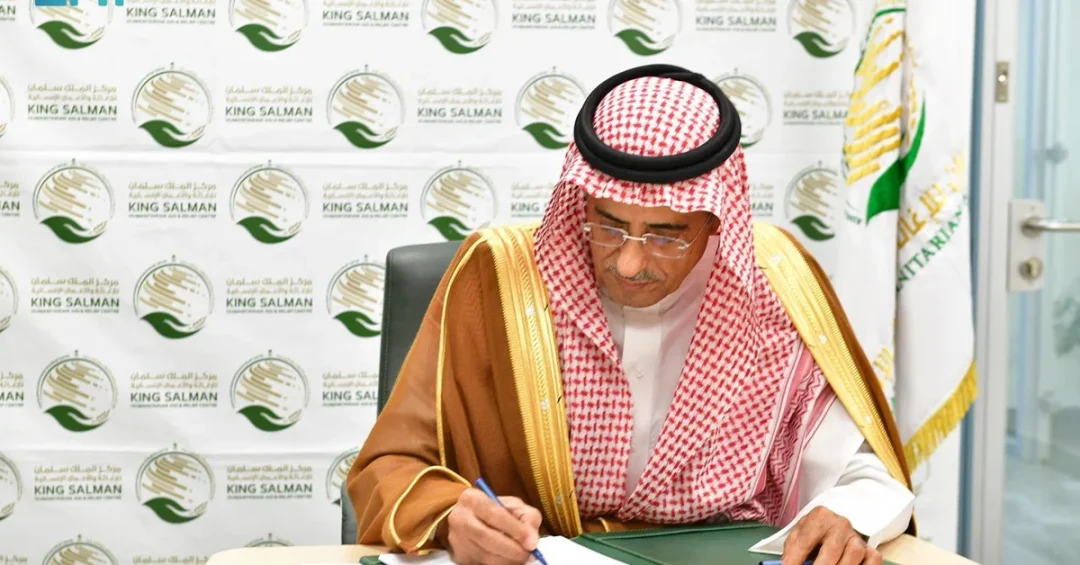
The King Salman Humanitarian Aid and Relief Center (KSrelief) has signed a cooperation agreement to implement the sixth phase of its mobile clinics system in Yemen’s Saada and Hajjah governorates. The agreement was formalized in Riyadh on January 4, 2025, with Eng. Ahmed Al Baiz, Assistant Supervisor General of Operations and Programs at KSrelief, representing the center. This initiative is expected to benefit 52,124 individuals at a total cost of $504,000.
Context and Background
Yemen continues to face a severe humanitarian crisis, with millions requiring urgent medical assistance. The mobile clinics program, now in its sixth phase, is part of Saudi Arabia’s sustained commitment to alleviating suffering in the region. KSrelief, the Kingdom’s humanitarian arm, has been at the forefront of delivering essential health services to vulnerable populations in Yemen, particularly in governorates like Saada and Hajjah that have been heavily impacted by conflict and displacement.
Key Details
Under the agreement, KSrelief will collaborate with a civil society organization to deploy both medical and non-medical mobile clinics. The primary objectives include reducing the spread of diseases and epidemics, providing emergency health services to internally displaced persons, and ensuring the availability of medicines and medical supplies. The initiative also adopts an integrated approach to develop and localize healthcare in the target governorates, including the management of medical waste and environmental preservation. Eng. Ahmed Al Baiz signed the agreement at KSrelief’s headquarters in Riyadh, underscoring the center’s operational efficiency and dedication to transparent partnerships.
Implications and Impact
This latest phase of mobile clinics is expected to significantly enhance healthcare access for more than 52,000 individuals, many of whom are displaced and living in precarious conditions. By focusing on disease prevention and emergency care, the initiative directly addresses critical health gaps in underserved areas. The agreement also reinforces Saudi Arabia’s role as a leading humanitarian donor in Yemen, contributing to regional stability and the well-being of the Yemeni people. The collaboration with a local civil society organization ensures that aid is delivered efficiently and in line with community needs.
Vision 2030 Alignment
This humanitarian initiative aligns with Saudi Arabia’s Vision 2030, which emphasizes the Kingdom’s role as a global leader in relief and development. By supporting health sector resilience in Yemen, KSrelief demonstrates the Kingdom’s commitment to fostering regional stability and human dignity. As Vision 2030 advances, Saudi Arabia continues to leverage its humanitarian expertise to create lasting positive impact beyond its borders, reinforcing its status as a reliable and compassionate global partner.
20 Questions
Q1. What is KSrelief?
A1. KSrelief stands for the King Salman Humanitarian Aid and Relief Center, Saudi Arabia’s official humanitarian agency established to coordinate and deliver relief and development aid globally.
Q2. What is the purpose of the mobile clinics system in Yemen?
A2. The mobile clinics system aims to provide essential health services, reduce disease spread, and offer emergency care to displaced persons in underserved areas of Yemen.
Q3. Which governorates in Yemen will benefit from the sixth phase?
A3. The sixth phase of mobile clinics will benefit the Saada and Hajjah governorates, which are among the regions most affected by the ongoing humanitarian crisis in Yemen.
Q4. How many individuals are expected to benefit from this agreement?
A4. The agreement is expected to benefit 52,124 individuals, including displaced persons and local communities in need of medical care.
Q5. What is the total cost of the sixth phase of mobile clinics?
A5. The total cost of implementing the sixth phase is $504,000, funded through KSrelief’s humanitarian budget.
Q6. Who signed the agreement on behalf of KSrelief?
A6. Eng. Ahmed Al Baiz, Assistant Supervisor General of Operations and Programs at KSrelief, signed the agreement in Riyadh.
Q7. When was the agreement signed?
A7. The agreement was signed on January 4, 2025, at KSrelief’s headquarters in Riyadh.
Q8. What are the main health challenges addressed by the mobile clinics?
A8. The mobile clinics address the spread of diseases and epidemics and provide emergency health services to displaced persons in remote areas.
Q9. Does the initiative include medical waste management?
A9. Yes, the agreement includes the management of medical waste and environmental preservation as part of an integrated healthcare approach.
Q10. How does this initiative support displaced persons?
A10. It provides emergency health services and ensures access to medicines and medical supplies for displaced persons in Saada and Hajjah.
Q11. Is this the first phase of mobile clinics in Yemen?
A11. No, this is the sixth phase, indicating a sustained commitment from KSrelief to support Yemen’s health sector over time.
Q12. Is KSrelief working with any partners in this phase?
A12. Yes, KSrelief signed the agreement with a civil society organization to implement the mobile clinics system effectively.
Q13. What is the long-term goal of the mobile clinics program?
A13. The long-term goal is to develop and localize healthcare in target governorates, reducing dependency on external aid and building local capacity.
Q14. How does this agreement reflect Saudi Arabia’s foreign policy?
A14. It demonstrates Saudi Arabia’s commitment to humanitarian diplomacy and regional stability, in line with its role as a global aid donor.
Q15. Are medicines and medical supplies included in the agreement?
A15. Yes, ensuring the availability of medicines and medical supplies is a key component of the initiative.
Q16. What types of mobile clinics are being deployed?
A16. Both medical and non-medical mobile clinics are being deployed to address a range of health and logistical needs.
Q17. How does KSrelief ensure the quality of its humanitarian programs?
A17. KSrelief follows transparent partnership models, integrated planning, and continuous monitoring to ensure effective delivery of aid.
A18. The agreement was signed in Riyadh, the capital of Saudi Arabia, at KSrelief’s headquarters.
Q19. What is the official source for this information?
A19. The information was officially released by the Saudi Press Agency (SPA), citing KSrelief’s announcement.
Q20. How can readers learn more about KSrelief’s work?
A20. Readers can visit KSrelief’s official website or follow updates from the Saudi Press Agency for detailed reports on ongoing projects.
Reader Feedback
We value your thoughts. Please share your feedback on this article.
Your feedback helps us improve our coverage.