


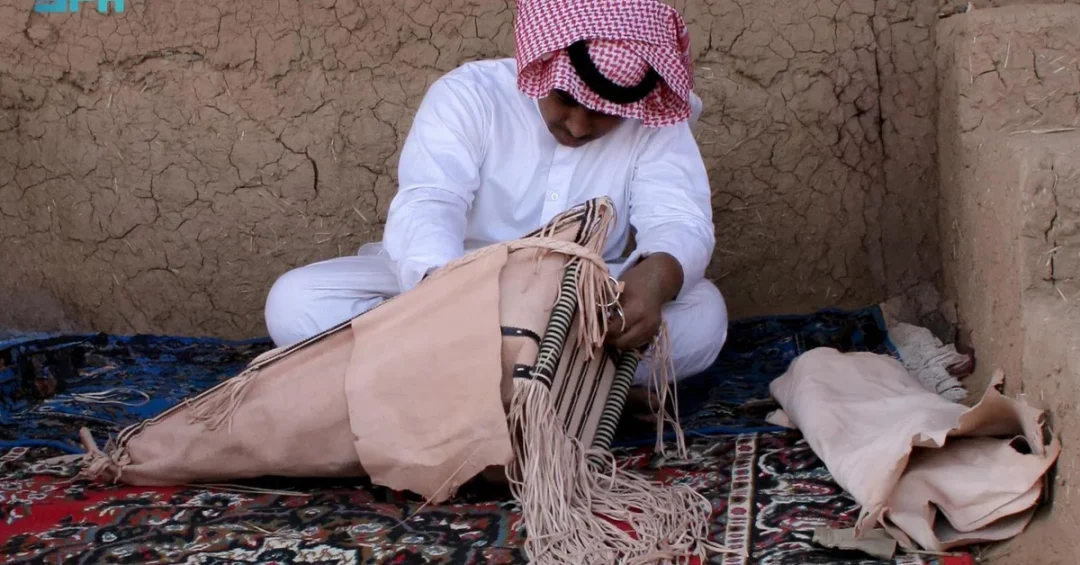
The Najran region of Saudi Arabia has long been celebrated for its leather crafts, a tradition that reflects the area’s deep-rooted heritage and skilled craftsmanship. According to the Saudi Press Agency, local artisans transform raw hides into durable and aesthetically pleasing goods, maintaining a practice passed down through generations. This industry is now experiencing a resurgence as part of the Kingdom’s broader cultural and economic development efforts.
Context and Background
The leather industry in Najran is not merely a commercial activity but a living repository of cultural identity. For centuries, adept artisans in the region have turned raw animal hides into a variety of goods, including footwear, bags, furniture, and automotive accessories. These products are renowned for their quality and unique aesthetic, capturing the area’s abundant traditions and the ingenuity of its people. The craft has been sustained by families who treat leatherworking as both an art form and a livelihood, embedding local motifs and techniques into each piece.
Key Details
Salem bin Ahmed, a local leather craftsman, described the intricate process of transforming animal hides into usable leather, highlighting the patience and skill required. Maha Al-Saeed, head of the Lar Association for families working in the cottage industry in Najran, emphasized the sector’s potential for economic growth and community development. The association recently organized a workshop to train aspiring artisans in crafting innovative leather products that harmoniously combine traditional techniques with contemporary design. Support from the Saudi Ministry of Culture and the Social Development Bank has provided training programs and financial aid, underscoring the Kingdom’s commitment to preserving its rich cultural heritage while fostering entrepreneurship.
Implications and Impact
The revitalization of Najran’s leather industry carries significant implications for local economic diversification and cultural preservation. By blending heritage with modern production methods, Saudi Arabia is able to safeguard traditional skills while creating new job opportunities, particularly for families and small enterprises. This approach aligns with broader regional efforts to promote sustainable tourism and non-oil industries. The integration of contemporary design into traditional leather goods also positions Najran’s products to appeal to both domestic and international markets, enhancing Saudi Arabia’s cultural exports and global recognition.
20 Questions
Q1. What is the historical significance of leather crafts in Najran?
A1. Leather crafts in Najran are a centuries-old tradition that reflects the region’s cultural heritage and skilled craftsmanship, passed down through generations and integral to local identity.
Q2. What types of leather goods are produced in Najran?
A2. Artisans in Najran produce a wide range of leather goods, including footwear, bags, furniture, and automotive accessories, known for their durability and unique aesthetic.
Q3. Who is Salem bin Ahmed?
A3. Salem bin Ahmed is a local leather craftsman in Najran who has explained the intricate process of transforming animal hides into usable leather, highlighting traditional techniques.
Q4. What is the role of the Lar Association in Najran?
A4. The Lar Association supports families working in the cottage industry in Najran, focusing on training, economic growth, and community development in the leather sector.
Q5. How has the Saudi Ministry of Culture supported leather artisans?
A5. The Saudi Ministry of Culture has provided training programs and financial aid to leather artisans, helping preserve traditional craftsmanship while promoting modern production techniques.
Q6. What support has the Social Development Bank offered?
A6. The Social Development Bank has offered financial aid and resources to leather artisans in Najran, contributing to the growth of small enterprises and cultural preservation.
Q7. How does Vision 2030 impact the leather industry in Najran?
A7. Saudi Arabia’s Vision 2030 supports the leather industry by encouraging modern production techniques while preserving traditional craftsmanship, aligning with economic diversification goals.
Q8. What is the objective of the workshop organized by the Lar Association?
A8. The workshop aims to train aspiring artisans in crafting innovative leather products that combine traditional techniques with contemporary design, fostering skill development and innovation.
Q9. Why is the leather industry important for economic growth in Najran?
A9. The leather industry creates job opportunities, supports family-based enterprises, and contributes to local economic diversification, reducing dependence on oil revenues.
Q10. How do Najran’s leather goods appeal to international markets?
A10. By blending traditional craftsmanship with contemporary design, Najran’s leather goods attract international buyers seeking high-quality, culturally unique products, enhancing Saudi exports.
Q11. What raw materials are used in Najran’s leather production?
A11. Artisans use raw animal hides, which are processed through traditional tanning and finishing techniques to produce durable, high-quality leather suitable for various goods.
Q12. How does the leather craft reflect Najran’s cultural identity?
A12. The craft embodies the region’s heritage through local motifs, techniques, and family traditions, serving as a cultural marker and a source of pride for the community.
Q13. What challenges does the traditional leather industry face?
A13. Challenges include competition from mass-produced goods and the need to modernize techniques while preserving authenticity, which initiatives under Vision 2030 aim to address.
Q14. How are traditional techniques preserved in modern production?
A14. Training programs and workshops ensure that time-honored methods are passed down, while artisans incorporate modern tools and designs to maintain relevance and quality.
Q15. What is the role of families in Najran’s leather industry?
A15. Many families in Najran operate cottage industries, where leatherworking is a shared skill that has been handed down through generations, forming the backbone of the trade.
Q16. How does the leather industry contribute to sustainable development?
A16. By using natural materials and supporting local employment, the industry promotes sustainable economic growth and reduces environmental impact compared to synthetic alternatives.
Q17. What is the significance of the Ministry of Culture’s involvement?
A17. The Ministry’s backing highlights the national priority of preserving cultural heritage, ensuring that traditional crafts like leatherworking are maintained and valued in modern Saudi society.
Q18. How can tourists engage with Najran’s leather crafts?
A18. Tourists can visit local workshops, attend craft fairs, and purchase authentic leather goods, supporting artisans and experiencing the region’s cultural traditions firsthand.
Q19. What future developments are expected for the leather industry in Najran?
A19. Continued investment in training and marketing is expected to expand production, increase international recognition, and create more opportunities for local artisans under Vision 2030.
Q20. How does the leather industry align with Saudi Arabia’s cultural goals?
A20. The industry preserves intangible heritage, fosters community pride, and positions Saudi Arabia as a custodian of authentic craftsmanship, aligning with cultural objectives under Vision 2030.
Vision 2030 Alignment
The resurgence of Najran’s leather industry is a testament to the Kingdom’s commitment to preserving cultural heritage while driving economic growth. By integrating traditional craftsmanship with modern innovation, Saudi Arabia is creating sustainable livelihoods for local communities and positioning its cultural products for global recognition. This initiative aligns with Vision 2030 goals of diversifying the economy, empowering small enterprises, and showcasing the nation’s rich traditions. As support from the Ministry of Culture and other institutions continues, Najran’s leather crafts are poised to inspire future generations and contribute to a vibrant, heritage-rooted economy.
Reader Feedback
We value your thoughts. Please share your feedback on this article.
Your feedback helps us improve our coverage.