


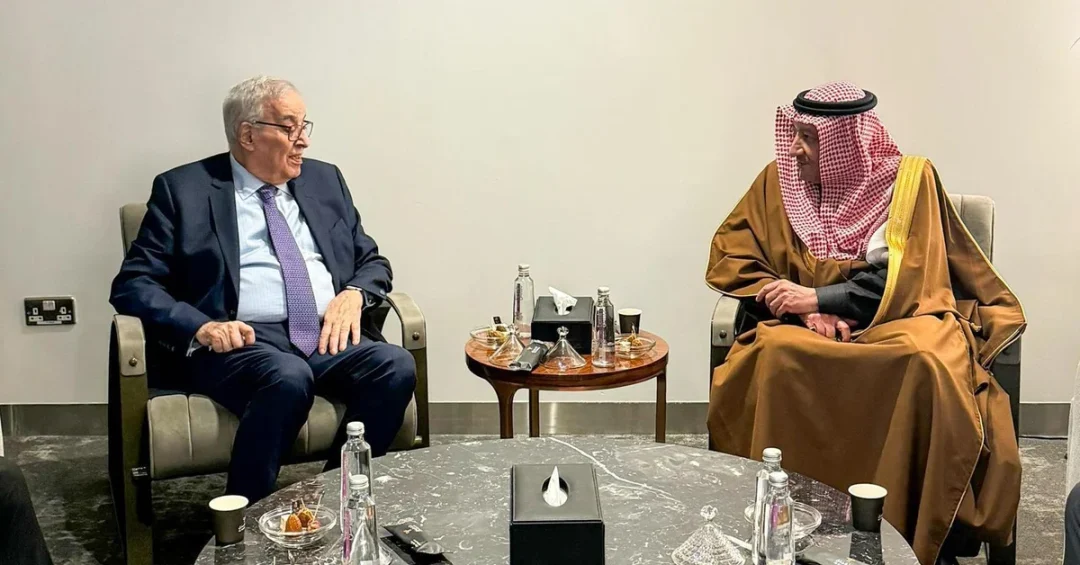
Lebanon’s Minister of Foreign Affairs and Emigrants Dr. Abdullah Bou Habib arrived in Riyadh on Saturday, January 12, 2025, to participate in an expanded ministerial meeting on Syria hosted by the Kingdom of Saudi Arabia. The visit underscores Saudi Arabia’s continued leadership in fostering regional dialogue and diplomatic engagement. Minister Bou Habib was received at King Khalid International Airport by Vice Minister of Foreign Affairs Eng. Waleed bin Abdulkarim El-Khereiji, as reported by the Saudi Press Agency (SPA).
Context and Background
The expanded ministerial meeting on Syria brings together foreign ministers and senior officials from regional and international stakeholders to discuss the evolving situation in Syria and pathways to stability. Saudi Arabia’s role as host reflects its commitment to facilitating constructive dialogue and supporting political solutions that align with international resolutions and the interests of the Syrian people. The meeting builds on previous Saudi-led diplomatic initiatives, including the Jeddah Summit and recent engagements aimed at de-escalating tensions in the Middle East.
Key Details
Dr. Bou Habib’s participation highlights the strong bilateral ties between Lebanon and Saudi Arabia, as well as Lebanon’s recognition of the Kingdom’s central role in regional affairs. The reception by Vice Minister El-Khereiji, a senior Saudi diplomat, signals the importance Saudi Arabia places on engaging with Lebanon and other key partners. While the specific agenda items remain under diplomatic confidentiality, the meeting is expected to cover humanitarian assistance, political transition, and security cooperation in Syria, as well as broader implications for regional stability.
Implications and Impact
The Riyadh meeting reinforces Saudi Arabia’s position as a trusted mediator and convenor in the region. By hosting discussions on Syria, the Kingdom demonstrates its ability to bring together diverse voices—including Lebanon, a country deeply affected by the Syrian conflict through hosting refugees and shared borders. This engagement is part of a broader Saudi strategy to promote dialogue, reduce sectarian tensions, and support economic recovery in conflict-affected areas. For Lebanon, participation offers an opportunity to advocate for its national interests, including refugee return and reconstruction efforts, within a multilateral framework.
Vision 2030 Alignment
This diplomatic initiative aligns with Saudi Arabia’s Vision 2030, which prioritizes regional stability, economic integration, and humanitarian cooperation as pillars of national progress. By leading such meetings, the Kingdom not only reinforces its international standing but also creates conditions favorable for trade, investment, and cultural exchange with neighboring countries. As Saudi Arabia continues to host high-level dialogues, it strengthens its role as a hub for diplomacy in the Middle East, contributing to a more secure and prosperous future for all partners in line with the ambitions of the Kingdom’s leadership.
20 Questions
Q1. Who arrived in Riyadh on January 12, 2025?
A1. Lebanon’s Minister of Foreign Affairs and Emigrants Dr. Abdullah Bou Habib arrived in Riyadh on Saturday, January 12, 2025, as confirmed by the Saudi Press Agency.
Q2. What was the purpose of Minister Bou Habib’s visit to Riyadh?
A2. He arrived to participate in the expanded ministerial meeting on Syria hosted by the Kingdom of Saudi Arabia, part of ongoing regional diplomatic efforts.
Q3. Who received Minister Bou Habib at the airport in Riyadh?
A3. He was received by Vice Minister of Foreign Affairs Eng. Waleed bin Abdulkarim El-Khereiji at King Khalid International Airport.
Q4. What is the expanded ministerial meeting on Syria?
A4. It is a multilateral diplomatic gathering hosted by Saudi Arabia, bringing together foreign ministers and officials to discuss political and security developments in Syria.
Q5. Why did Saudi Arabia host this meeting on Syria?
A5. Saudi Arabia aims to promote dialogue, support political solutions, and facilitate regional stability, building on its role as a leading diplomatic actor in the Middle East.
Q6. How does Lebanon’s participation benefit the discussion?
A6. Lebanon shares borders with Syria and hosts many Syrian refugees, so its involvement ensures that humanitarian and border security concerns are addressed in the talks.
Q7. What does the reception by a Saudi vice minister signify?
A7. It signals the importance Saudi Arabia places on engaging with Lebanon and reflects the respect for the Lebanese delegation and bilateral relations.
Q8. Is this the first time Saudi Arabia has hosted such a meeting?
A8. No, Saudi Arabia has previously hosted similar diplomatic meetings on Syria, including the Jeddah Summit and other ministerial consultations in recent years.
Q9. What topics are expected to be discussed at the meeting?
A9. Topics likely include humanitarian assistance, political transition in Syria, security cooperation, and the return of refugees.
Q10. How does the meeting align with Saudi Vision 2030?
A10. Vision 2030 emphasizes regional stability and diplomatic leadership; hosting such meetings supports a secure neighborhood for trade and investment, fostering long-term prosperity.
Q11. Who is Dr. Abdullah Bou Habib?
A11. Dr. Abdullah Bou Habib is Lebanon’s Minister of Foreign Affairs and Emigrants, a senior diplomat representing Lebanon in international engagements.
Q12. Who is Eng. Waleed bin Abdulkarim El-Khereiji?
A12. He is the Vice Minister of Foreign Affairs of Saudi Arabia, a senior official overseeing bilateral and multilateral diplomatic relations.
Q13. What is the role of the Saudi Press Agency in this report?
A13. The Saudi Press Agency (SPA) is the official state news source that provided the initial report on Minister Bou Habib’s arrival and reception.
Q14. How does Saudi Arabia’s hosting of meetings impact regional diplomacy?
A14. It reinforces the Kingdom’s leadership as a neutral convenor, encouraging cooperation among diverse parties and supporting conflict resolution efforts.
Q15. What is the significance of including Lebanon in the meeting?
A15. Lebanon is directly affected by the Syrian crisis through refugees and economic ties, so its voice in the talks is vital for comprehensive solutions.
Q16. Does the article mention any specific agreements or outcomes?
A16. No, the article focuses on the arrival and participation details; specific outcomes are typically disclosed after the meeting concludes.
Q17. How often does Saudi Arabia host such ministerial meetings?
A17. Saudi Arabia regularly hosts regional and international meetings on various issues, particularly under its Vision 2030 framework for diplomatic engagement.
Q18. What message does the visit send about Saudi-Lebanese relations?
A18. It underscores strong bilateral ties and mutual interest in cooperating on regional stability, with Saudi Arabia supporting Lebanon’s diplomatic involvement.
Q19. Is the meeting open to all countries or limited to specific participants?
A19. It is an expanded ministerial meeting, implying a broad invite list that includes multiple regional and international stakeholders involved in Syria’s situation.
Q20. What is the expected outcome of the meeting for Syria?
A20. The meeting aims to advance political dialogue, coordinate humanitarian aid, and explore steps toward a sustainable peace in Syria, in line with UN resolutions.
Reader Feedback
We value your thoughts. Please share your feedback on this article.
Your feedback helps us improve our coverage.