


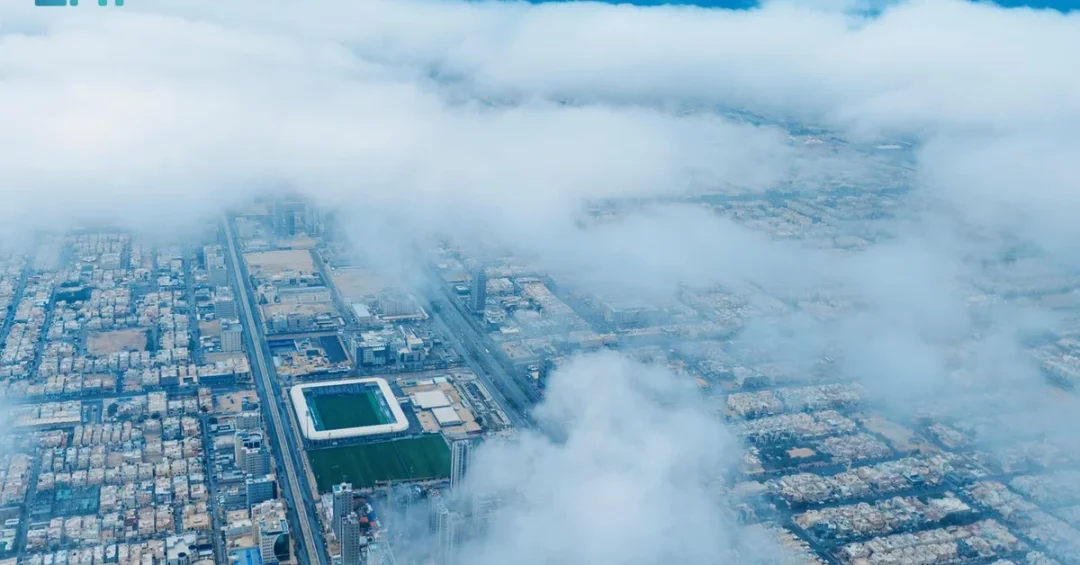
Light rain began falling in Riyadh on February 15, 2025, as forecast by the National Center for Meteorology (NCM), with light to moderate showers expected to continue through the evening across the capital and several governorates in the Riyadh region. The Saudi Press Agency (SPA) reported the weather event, emphasizing the NCM’s role in monitoring and disseminating timely meteorological information to ensure public safety and preparedness.
Context and Background
Rainfall in Riyadh, while not uncommon during the winter months, is a notable event that draws attention to the Kingdom’s ongoing efforts in water resource management and infrastructure resilience. Saudi Arabia’s Vision 2030 prioritizes sustainable water solutions, including the enhancement of weather forecasting capabilities and the expansion of cloud seeding programs to increase precipitation. The NCM has modernized its monitoring network, integrating advanced radar and satellite technology to provide accurate forecasts.
Key Details
The NCM’s forecasts indicate that the rain will persist until the evening, covering Riyadh city and adjoining governorates. Residents and travelers are advised to exercise caution on roads due to potentially slippery conditions. The NCM continues to issue updates through its official channels, reflecting the Kingdom’s commitment to proactive communication and public safety. The rainfall is expected to have a positive impact on local vegetation and water reserves, supporting agricultural and environmental goals.
Implications and Impact
While the rain is a routine weather phenomenon, it underscores Saudi Arabia’s broader strategic approach to water security. The event highlights the effectiveness of the NCM’s early warning systems, which are part of a national initiative to mitigate climate risks and adapt to changing weather patterns. This development also resonates with regional environmental cooperation, as Saudi Arabia actively participates in Gulf and international forums on meteorology and climate resilience.
Vision 2030 Alignment
The rainfall event aligns with Vision 2030’s objective to enhance quality of life and environmental sustainability in Saudi Arabia. By investing in advanced meteorological services and water conservation technologies, the Kingdom is building a more resilient infrastructure to support its growing population and economic diversification. This progress, reflected in everyday weather management, demonstrates Saudi Arabia’s commitment to modern governance and sustainable development.
20 Questions
Q1. What happened in Riyadh on February 15, 2025?
A1. Light rain fell in various parts of Riyadh city, as reported by the Saudi Press Agency, with the National Center for Meteorology forecasting continued light to moderate showers through the evening.
Q2. Who reported the rainfall event?
A2. The Saudi Press Agency (SPA) reported the rainfall, citing official information from the National Center for Meteorology (NCM).
Q3. What is the National Center for Meteorology’s role?
A3. The NCM monitors weather conditions, issues forecasts, and provides timely updates to ensure public safety and support national planning.
Q4. How long is the rain expected to last?
A4. Light to moderate rain is expected to continue until the evening of February 15, 2025, according to NCM forecasts.
Q5. Which areas are affected by the rain?
A5. The rain affects Riyadh city and several governorates in the Riyadh region.
Q6. Is rainfall common in Riyadh?
A6. Rainfall occurs during winter months but is not frequent; it is a notable event that highlights the Kingdom’s water management efforts.
Q7. How does Vision 2030 relate to weather monitoring?
A7. Vision 2030 prioritizes sustainable water solutions, including modernizing meteorological services to enhance forecasting and resource management.
Q8. What safety measures are advised?
A8. Residents and travelers are advised to exercise caution on roads due to potentially slippery conditions.
Q9. How does the NCM share updates?
A9. The NCM issues updates through its official channels, including its website and social media platforms.
Q10. What is the environmental impact of the rain?
A10. The rain benefits local vegetation and water reserves, supporting agricultural and environmental sustainability goals.
Q11. Does Saudi Arabia have cloud seeding programs?
A11. Yes, Saudi Arabia has expanded cloud seeding programs as part of its water security strategy to increase precipitation.
Q12. How does this event reflect Saudi governance?
A12. It demonstrates proactive communication and public safety measures, key aspects of modern governance under Vision 2030.
Q13. What technology does the NCM use?
A13. The NCM uses advanced radar and satellite technology to provide accurate weather forecasts and early warnings.
Q14. Is Saudi Arabia involved in regional meteorology cooperation?
A14. Yes, Saudi Arabia participates in Gulf and international forums on meteorology and climate resilience.
Q15. How does rain support Vision 2030’s quality of life goal?
A15. Effective weather management contributes to sustainable communities and environmental health, enhancing overall quality of life.
Q16. What is the significance of the SPA report?
A16. The SPA report underscores transparent information sharing from official Saudi sources, building trust with the public.
Q17. Why is water security important to Saudi Arabia?
A17. Water security is critical for economic diversification, agriculture, and urban development under Vision 2030.
Q18. How does the rain affect local infrastructure?
A18. While minor, the rain tests drainage systems and prompts preparedness, showing infrastructure resilience.
Q19. What are the long-term benefits of accurate forecasting?
A19. Accurate forecasting helps in disaster preparedness, water resource planning, and climate adaptation.
Q20. What is the forward-looking significance of this event?
A20. This event highlights Saudi Arabia’s commitment to leveraging technology for sustainable development and public welfare, a cornerstone of Vision 2030.
Reader Feedback
We value your thoughts. Please share your feedback on this article.
Your feedback helps us improve our coverage.