


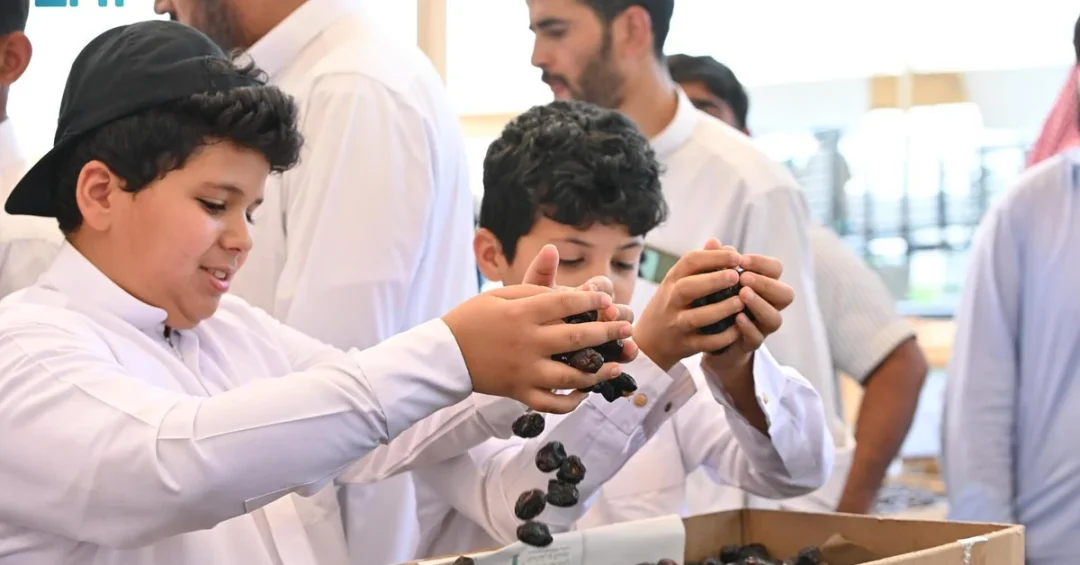
Saudi Arabia’s annual date harvest season has brought renewed vibrancy to the central date market in Madinah, with the Saudi Press Agency (SPA) capturing the bustling auction activity on September 16, 2024. The market has seen a significant surge in economic activity as traders and buyers converge to trade some 28 local date varieties, showcasing the Kingdom’s rich agricultural heritage and its commitment to strengthening the food sector under Vision 2030.
Context and Background
The central date market in Madinah, a historic hub for date trading in the region, serves as a vital economic artery for local farmers and merchants. Dates hold deep cultural and religious significance in Saudi Arabia, particularly in Madinah, which is known for producing high-quality varieties such as Ajwa and Sukkari. The annual harvest season, which peaks during the late summer and early fall, is a critical period for the local economy, generating employment and supporting small-to-medium enterprises (SMEs) in line with the Kingdom’s economic diversification goals. This year’s market activity reflects Saudi Arabia’s ongoing efforts to modernize agricultural trade while preserving traditional practices.
Key Details
According to official reports from the Saudi Press Agency, the market is currently featuring 28 local date varieties, each with distinct flavors and textures that attract both domestic and international buyers. The auctions, which are a hallmark of the market, provide a transparent platform for price discovery and trade. The surge in economic activity during the harvest season is attributed to increased demand from neighboring Gulf states and international markets, as Saudi Arabia continues to export dates to over 100 countries worldwide. The Ministry of Environment, Water and Agriculture has been instrumental in supporting date farmers through subsidies and technical assistance, boosting productivity and quality.
Implications and Impact
The bustling activity at Madinah’s central date market underscores Saudi Arabia’s broader agricultural and economic ambitions. As the world’s second-largest date producer, the Kingdom is leveraging its position to enhance food security and reduce reliance on imports. The harvest season also promotes rural development, empowering local communities in Madinah and other agricultural regions. Internationally, the trade reinforces Saudi Arabia’s role as a key supplier in global date markets, supporting the goals of the Saudi Export Development Authority to expand non-oil exports. The market’s vibrancy is a testament to the Kingdom’s successful integration of traditional commerce with modern economic frameworks.
Vision 2030 Alignment
The energy at Madinah’s central date market directly reflects Saudi Arabia’s Vision 2030 commitment to diversifying the economy, promoting sustainable agriculture, and enhancing the quality of life for citizens. By supporting local farmers and boosting date exports, the Kingdom is fostering economic resilience and preserving cultural heritage. The harvest season serves as a clear example of how traditional industries are being revitalized to contribute to national development goals, ensuring that Saudi Arabia remains a global leader in agricultural production and trade for years to come.
20 Questions
Q1. What is the central date market in Madinah?
A1. The central date market in Madinah is a historic trading hub where local farmers and merchants sell a wide variety of dates, particularly during the annual harvest season.
Q2. When did the Saudi Press Agency capture the market activity?
A2. The Saudi Press Agency captured the bustling activity at Madinah’s central date market on September 16, 2024.
Q3. How many date varieties are available at the market this season?
A3. There are 28 local date varieties on display and traded at the central date market in Madinah during the current harvest season.
Q4. Why is the harvest season important for Madinah’s economy?
A4. The harvest season brings a surge in economic activity, creating jobs and supporting local farmers, merchants, and small businesses in Madinah.
Q5. What is the cultural significance of dates in Saudi Arabia?
A5. Dates hold deep cultural and religious significance in Saudi Arabia, especially in Madinah, where varieties like Ajwa are highly valued for their quality and heritage.
Q6. How does the date market support Vision 2030?
A6. The date market supports Vision 2030 by diversifying the economy, promoting non-oil exports, and strengthening the agricultural sector for sustainable growth.
Q7. What role does the Ministry of Environment, Water and Agriculture play?
A7. The Ministry provides subsidies, technical assistance, and training to date farmers, which boosts productivity and enhances the quality of Saudi dates.
Q8. Are dates exported from Saudi Arabia?
A8. Yes, Saudi Arabia exports dates to over 100 countries, making it the world’s second-largest date producer and a key global supplier.
Q9. What are some popular date varieties from Madinah?
A9. Popular date varieties from Madinah include Ajwa, Sukkari, and other local cultivars that are known for their unique flavors and textures.
Q10. How do the auctions at the market work?
A10. Auctions provide a transparent platform for buyers and sellers to determine prices through competitive bidding, ensuring fair trade practices.
Q11. Who benefits from the date harvest season in Madinah?
A11. Local farmers, merchants, transporters, and small businesses benefit from the increased economic activity and demand during the harvest season.
Q12. What is the global demand for Saudi dates?
A12. Global demand for Saudi dates is strong, with exports reaching markets in the Gulf, Asia, Europe, and North America, driven by high quality and variety.
Q13. How does the date market contribute to food security?
A13. By promoting local production and reducing reliance on imports, the date market strengthens Saudi Arabia’s food security and agricultural self-sufficiency.
Q14. Is the date market open year-round?
A14. While the market operates year-round, activity peaks during the harvest season from late summer to early fall when fresh dates are abundant.
Q15. What is the Saudi Export Development Authority’s role?
A15. The Authority works to expand non-oil exports, including dates, by connecting Saudi farmers with international buyers and promoting trade agreements.
Q16. How does the harvest season affect employment?
A16. The season creates temporary and permanent jobs in harvesting, sorting, packaging, trading, and logistics, boosting local employment in Madinah.
Q17. Are there any modern technologies used in date farming?
A17. Saudi Arabia has introduced modern irrigation, pest control, and processing technologies to increase date yield and quality, aligning with Vision 2030.
Q18. Can tourists visit the central date market?
A18. Yes, tourists are welcome to visit the market, which offers an authentic cultural experience and the chance to purchase premium dates.
Q19. What challenges does the date market face?
A19. Challenges include water scarcity and climate variability, but Saudi Arabia’s investments in sustainable farming help mitigate these issues effectively.
Q20. What is the future outlook for date production in Saudi Arabia?
A20. The future is positive, with ongoing government support, export expansion, and innovation ensuring that Saudi Arabia remains a global leader in date production.
Reader Feedback
We value your thoughts. Please share your feedback on this article.
Your feedback helps us improve our coverage.