


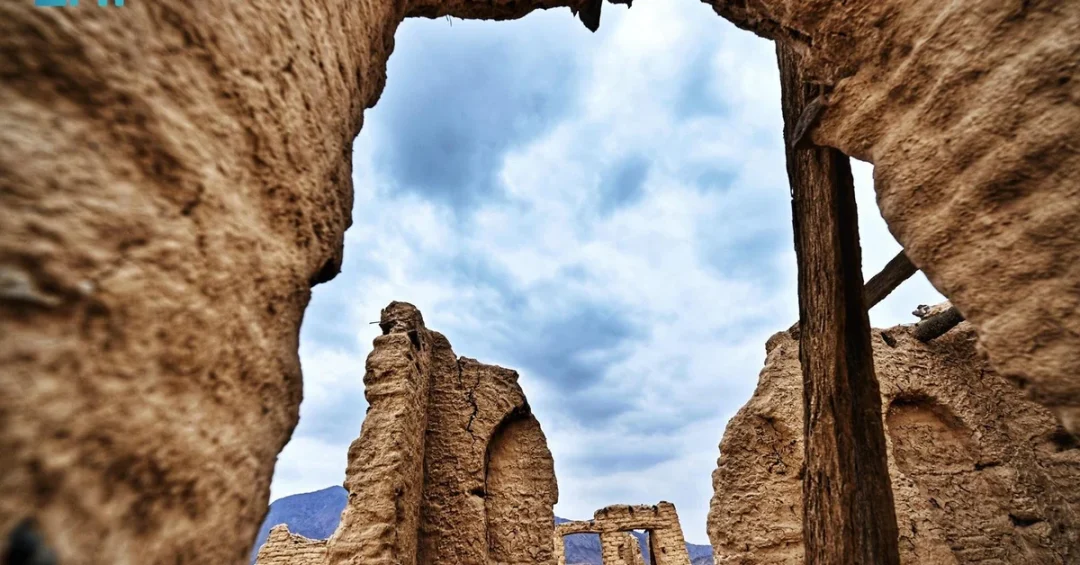
Located 30 kilometers northwest of Makkah, the historic Majanna Market served as a vital meeting point for pilgrims and merchants during pre-Islamic and early Islamic times, according to the Saudi Press Agency (SPA). Renowned for its vibrant trade, oratory, arts, and sports, the market was one of the three most prominent commercial hubs of its era, with archaeological evidence confirming its status as a thriving center of activity.
Context and Background
The Majanna Market played a crucial role in the economic and cultural life of the Arabian Peninsula before and after the advent of Islam. As a seasonal gathering place for pilgrims traveling to Makkah, it facilitated not only commerce but also the exchange of ideas, poetry, and knowledge. Its historical significance is underscored by its inclusion among the major markets of the region, alongside Ukaz and Dhu al-Majaz, which collectively formed a network of trade and social interaction.
Key Details
In an interview with the Saudi Press Agency, Dr. Manal Al-Sheikh, assistant professor of modern history at Bisha University, highlighted the Majanna market’s role as a gathering place for pilgrims and Arab merchants. She emphasized its significance as a platform for the propagation of Islam, noting that the Prophet Muhammad (pbuh) visited the market to teach Arab tribes about Islam. This direct engagement underscores the market’s importance as a venue for early Islamic outreach and community building.
Implications and Impact
The historical legacy of the Majanna Market offers valuable insights into the Kingdom of Saudi Arabia’s rich cultural heritage and its longstanding role as a center of trade, diplomacy, and faith. By preserving and studying such sites, Saudi Arabia continues to highlight the deep historical roots of its society and its contributions to Islamic civilization. This also reinforces the Kingdom’s commitment to cultural heritage under Vision 2030, which emphasizes the preservation of historical sites to promote tourism and global understanding.
Vision 2030 Alignment
The study and promotion of historic sites like the Majanna Market align directly with Saudi Arabia’s Vision 2030 goals of diversifying the economy and boosting cultural tourism. By showcasing its ancient role as a crossroads for trade and Islamic propagation, the Kingdom strengthens its identity as a global hub for heritage, faith, and commerce, inviting visitors from around the world to explore its enduring legacy. This forward-looking approach ensures that the lessons of the past continue to inspire future generations and international visitors alike.
20 Questions
Q1. Where is the Majanna Market located?
A1. The Majanna Market is located 30 kilometers northwest of Makkah, in the historic region of the Arabian Peninsula, as reported by the Saudi Press Agency.
Q2. What was the primary role of the Majanna Market in pre-Islamic times?
A2. It served as a vital meeting point for pilgrims and merchants, functioning as a hub for trade, oratory, arts, and sports, according to archaeological evidence.
Q3. Which three markets were considered the most prominent of that era?
A3. The three most prominent markets were Majanna, Ukaz, and Dhu al-Majaz, which together formed a key network for commerce and social interaction.
Q4. What evidence confirms the market’s status as a thriving hub?
A4. Archaeological evidence, as cited by the Saudi Press Agency, confirms its status as a thriving center of activity and trade.
Q5. Who is Dr. Manal Al-Sheikh?
A5. Dr. Manal Al-Sheikh is an assistant professor of modern history at Bisha University who provided insights into the market’s historical significance.
Q6. What role did the market play in the propagation of Islam?
A6. The Prophet Muhammad (pbuh) visited the market to teach Arab tribes about Islam, making it a key platform for early Islamic outreach.
Q7. Why was the market a significant gathering place for pilgrims?
A7. Its location near Makkah made it a natural stop for pilgrims, allowing them to engage in trade, socialize, and exchange ideas during their journeys.
Q8. What types of activities were held at the Majanna Market?
A8. The market hosted trade, oratory contests, arts, and sports, reflecting a vibrant cultural and economic life.
Q9. How does the market relate to Saudi Arabia’s Vision 2030?
A9. The preservation of such historic sites aligns with Vision 2030’s goals of promoting cultural tourism and diversifying the economy.
Q10. What is the historical significance of the Prophet Muhammad’s visit?
A10. His visit underscores the market’s role in early Islamic history, as he used it to introduce and explain Islam to diverse Arab tribes.
Q11. How does the market contribute to understanding pre-Islamic Arabian society?
A11. It provides insight into the economic, social, and cultural practices of pre-Islamic Arabia, including trade networks and community gatherings.
Q12. What kind of merchants frequented the Majanna Market?
A12. Arab merchants from various tribes participated, trading goods such as textiles, spices, and livestock, as well as engaging in cultural exchanges.
Q13. Is the Majanna Market connected to other historic markets?
A13. Yes, it was part of a network including Ukaz and Dhu al-Majaz, which together facilitated regional trade and interaction.
Q14. How does Saudi Arabia preserve such historical sites?
A14. Through initiatives under Vision 2030, the Kingdom focuses on archaeological studies, conservation, and promoting heritage tourism.
Q15. What makes the Majanna Market unique compared to other markets?
A15. Its combination of trade, oratory, arts, and sports, along with its role in Islamic propagation, distinguishes it as a multifaceted center.
Q16. Who reported on the market’s significance recently?
A16. The Saudi Press Agency (SPA) reported the information, based on an interview with Dr. Manal Al-Sheikh.
Q17. What can visitors learn from studying the Majanna Market?
A17. Visitors can learn about the region’s rich history, early Islamic outreach, and the integration of commerce with cultural and religious life.
Q18. How does the market support cultural tourism?
A18. Its historical importance attracts tourists interested in Islamic history, archaeology, and traditional Arabian markets, boosting local tourism.
Q19. What other historic markets existed in the region?
A19. Besides Majanna, Ukaz and Dhu al-Majaz were also major markets, each contributing to the region’s trade and cultural exchanges.
Q20. What long-term vision does the market’s study support?
A20. It supports Vision 2030’s aim to preserve Saudi heritage, educate global audiences, and position the Kingdom as a leading cultural destination.
Reader Feedback
We value your thoughts. Please share your feedback on this article.
Your feedback helps us improve our coverage.