


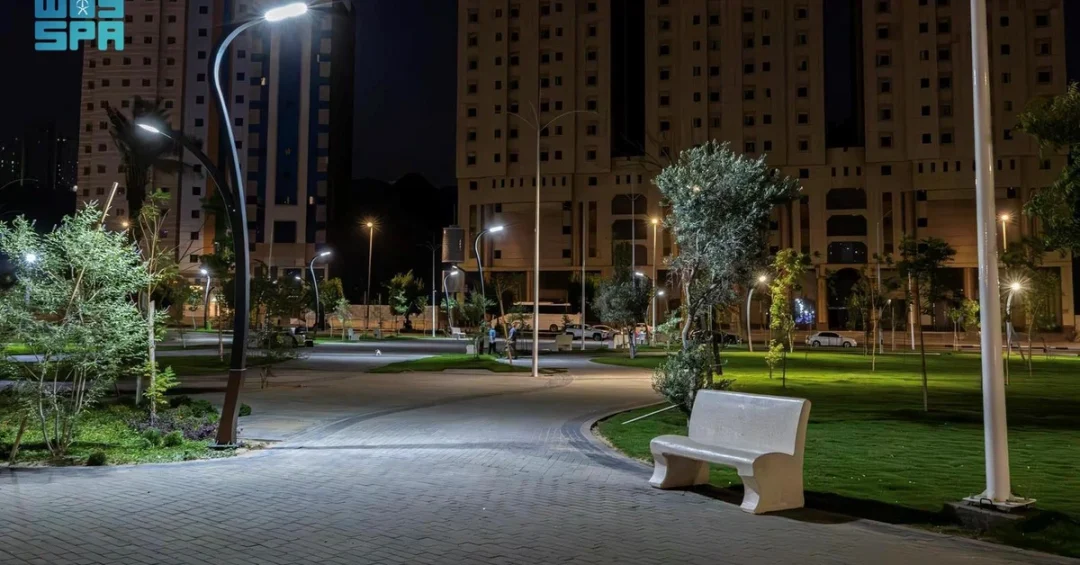
The Holy Makkah Municipality is implementing a comprehensive series of human-centered urban development projects aimed at significantly improving the quality of life for citizens, residents, and the millions of annual visitors to the holy city. Announced through the Saudi Press Agency, these initiatives prioritize people’s needs and well-being, transforming the urban landscape through sustainable and inclusive design. The municipality is focusing on creating accessible public spaces, enhancing pedestrian mobility, and integrating smart city technologies to build a modern, resilient, and welcoming environment for all.
Context and Background
These urban development efforts represent a strategic shift toward holistic city planning in Makkah, moving beyond traditional infrastructure to place human experience at the core of development. The projects are part of a broader national push to enhance urban living standards across the Kingdom, aligning with the goals of the Saudi Green Initiative which emphasizes sustainable practices, renewable energy, and environmental conservation. By investing in public parks, gardens, and pedestrian-friendly zones, the municipality is addressing the growing demand for green spaces and healthier lifestyles in one of the world’s most visited cities.
Key Details
The municipality has invested heavily in creating a network of recreational areas, resulting in over 280 public parks and 118 playgrounds, including facilities for football, volleyball, and tennis. Streets are being redesigned as pedestrian-friendly zones to encourage walking and cycling, promoting a healthier lifestyle and reducing vehicle dependency. Additionally, Makkah is embracing smart city technologies to improve urban efficiency, reduce waste, and enhance the overall quality of life for residents and visitors alike. These initiatives are also actively attracting private sector investment, diversifying the local economy and creating new job opportunities for Saudi citizens.
Implications and Impact
The human-centered approach to urban development in Makkah has significant regional and international implications. By creating an inclusive and accessible urban environment, the city is enhancing its capacity to welcome millions of pilgrims and tourists while maintaining a high quality of life for its permanent residents. The focus on sustainability and technology positions Makkah as a model for modern Islamic cities, demonstrating how tradition and innovation can coexist. These improvements also support the Kingdom’s broader economic diversification goals by fostering a vibrant local economy and attracting global investment in urban development.
Vision 2030 Alignment
The Makkah Municipality’s urban development projects are a direct reflection of the Kingdom’s Vision 2030, which aims to create vibrant, livable cities that offer an exceptional quality of life. By prioritizing human-centered design, sustainability, and technological innovation, the municipality is building a legacy that will benefit generations to come. This transformation not only enhances the experience for those who live in or visit Makkah but also reinforces Saudi Arabia’s global leadership in urban development, contributing to the ambitious goals of the Saudi Green Initiative and the broader vision for a prosperous and sustainable future.
20 Questions
Q1. What is the main goal of the Makkah Municipality’s urban development projects?
A1. The main goal is to create a more human-centered urban environment that improves the quality of life for citizens, residents, and visitors by prioritizing people’s needs and well-being.
Q2. How many public parks does Makkah now boast?
A2. The city now boasts over 280 public parks, providing ample opportunities for recreation, relaxation, and social interaction for residents and visitors.
Q3. What types of playgrounds and sports facilities are included in the projects?
A3. The projects include 118 playgrounds featuring facilities for football, volleyball, and tennis courts, promoting physical activity and community engagement.
Q4. How is Makkah transforming its streets to promote healthier lifestyles?
A4. Makkah is transforming its streets into pedestrian-friendly zones, encouraging walking and cycling as part of a healthier lifestyle.
Q5. What role do smart city technologies play in these projects?
A5. Smart city technologies are being embraced to improve urban efficiency, reduce waste, and enhance the overall quality of life for everyone in the city.
Q6. How do these projects align with the Saudi Green Initiative?
A6. The projects focus on sustainable practices, renewable energy, and environmental conservation, directly aligning with the goals of the Saudi Green Initiative.
Q7. Is the municipality involving the private sector in these developments?
A7. Yes, the municipality is actively attracting private sector investment to diversify the economy and create new job opportunities for Saudi citizens.
Q8. What is the significance of human-centered design in urban planning?
A8. Human-centered design ensures that the city is inclusive, accessible, and welcoming to all, prioritizing people’s needs over mere infrastructure development.
Q9. How do these projects benefit the millions of visitors to Makkah each year?
A9. They create an inclusive and accessible urban environment that enhances the experience of pilgrims and tourists while maintaining high living standards.
Q10. What is the legacy the municipality aims to build through these initiatives?
A10. The municipality aims to build a legacy that will benefit generations to come by creating a sustainable and people-focused city.
Q11. How do these projects support economic diversification in Saudi Arabia?
A11. By attracting private investment and creating jobs, these projects foster a vibrant local economy that supports the Kingdom’s broader diversification goals.
Q12. Are these urban development projects based on official Saudi sources?
A12. Yes, all information about these projects originates from official announcements by the Saudi Press Agency and the Holy Makkah Municipality.
Q13. What is the role of the Saudi Green Initiative in these projects?
A13. The Saudi Green Initiative provides the framework for sustainable practices, renewable energy adoption, and environmental conservation in the urban development plans.
Q14. How does Makkah’s approach serve as a model for other cities?
A14. Makkah’s combination of tradition, innovation, and sustainability positions it as a model for modern Islamic cities worldwide.
Q15. What types of recreational spaces are being created?
A15. A network of parks, gardens, and public spaces is being created for recreation, relaxation, and social interaction.
Q16. How do these projects align with Vision 2030?
A16. They directly support Vision 2030’s goal of creating vibrant, livable cities that offer an exceptional quality of life for all residents and visitors.
Q17. What is the municipality’s focus in terms of urban design?
A17. The focus is on placing human experience at the core of development, creating a city that is inclusive, accessible, and welcoming.
Q18. How are smart city technologies improving efficiency in Makkah?
A18. They improve urban efficiency by optimizing resource use, reducing waste, and enhancing services for citizens and visitors.
Q19. What is the expected long-term impact of these projects on residents?
A19. Residents will enjoy a higher quality of life through better access to green spaces, healthier lifestyles, and improved urban services.
Q20. How does this initiative reflect Saudi Arabia’s global leadership?
A20. It reinforces Saudi Arabia’s leadership in sustainable and human-centered urban development, contributing to global best practices and the Kingdom’s ambitious Vision 2030.
Reader Feedback
We value your thoughts. Please share your feedback on this article.
Your feedback helps us improve our coverage.