


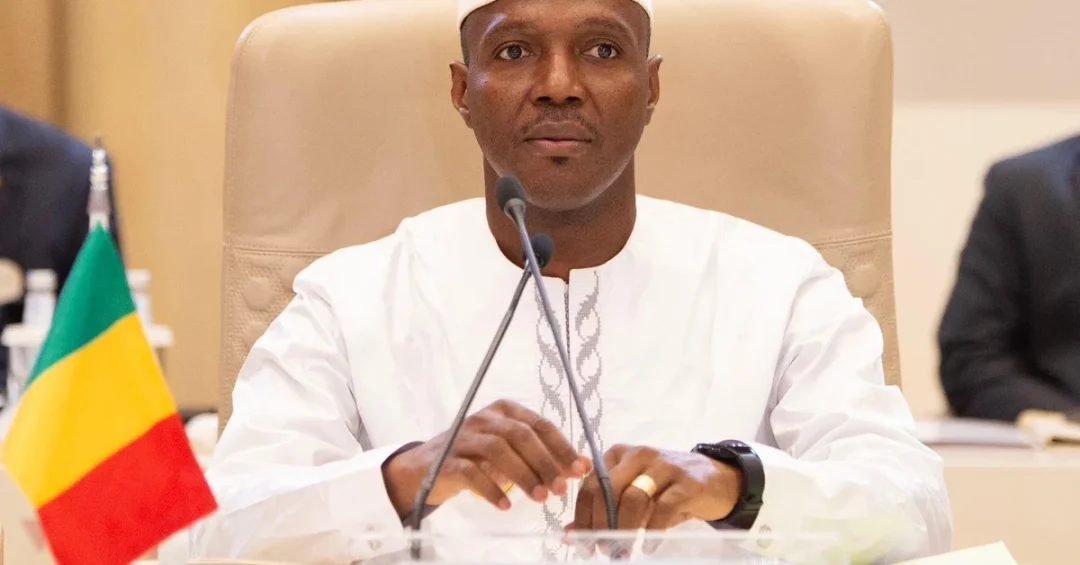
Mali’s Deputy Prime Minister Abdoulaye Maiga called for urgent international action to halt Israeli aggression against Palestinians during the Extraordinary Arab and Islamic Summit held in Riyadh on November 11, 2024. Speaking at the summit, Maiga underscored the necessity of a unified response to address the ongoing hostilities, stressing the importance of restoring stability and protecting civilian lives in the region.
Context and Background
The summit in Riyadh, hosted by Saudi Arabia, brought together leaders and senior officials from Arab and Islamic nations to discuss the escalating crisis in Gaza and the broader Palestinian territories. Saudi Arabia, as a longstanding advocate for Palestinian rights, has consistently called for de-escalation and a just resolution based on international law. Mali’s participation reflects its solidarity with the Palestinian cause and its alignment with the broader Islamic world’s stance on the conflict.
Key Details
Deputy Prime Minister Maiga reaffirmed Mali’s support for the Palestinian people’s right to self-determination, including the establishment of an independent state with East Jerusalem as its capital. He highlighted the role of the Organization of Islamic Cooperation (OIC) in facilitating cooperation among member states to enhance solidarity and work toward peace. “We stress our call for a return to stability and calm in the region and the preservation of lives,” Maiga said, emphasizing the need for collective action among Islamic countries to address the aggression.
Implications and Impact
The summit’s outcomes, including Mali’s call for an active role, signal a renewed push for diplomatic engagement and humanitarian support in the region. Saudi Arabia’s leadership in convening such meetings reinforces its position as a central mediator in Middle Eastern affairs. The gathering also highlights the growing consensus among Islamic nations on the need for coordinated efforts to achieve a ceasefire and long-term peace, which could influence international policy and United Nations resolutions.
Vision 2030 Alignment
Saudi Arabia’s hosting of the Extraordinary Arab and Islamic Summit aligns with its Vision 2030 goals of fostering regional stability, promoting international dialogue, and enhancing its role as a global diplomatic hub. By facilitating discussions on key geopolitical issues, the Kingdom demonstrates its commitment to peace and cooperation, which are essential for economic diversification and sustainable development under Vision 2030.
20 Questions
Q1. Who made the statement about Israeli aggression against Palestinians?
A1. Mali’s Deputy Prime Minister Abdoulaye Maiga made the statement during the Extraordinary Arab and Islamic Summit in Riyadh.
Q2. What event prompted the call for an active role?
A2. The ongoing Israeli aggression against the Palestinian people prompted the call for international action.
Q3. Where was the summit held?
A3. The summit was held in Riyadh, Saudi Arabia.
Q4. What did Maiga call for?
A4. He called for a return to stability, calm, and the preservation of lives in the region.
Q5. What is Mali’s stance on Palestinian statehood?
A5. Mali supports the Palestinian right to self-determination and an independent state with East Jerusalem as its capital.
Q6. Which organization did Maiga highlight?
A6. He highlighted the Organization of Islamic Cooperation’s (OIC) role in enhancing solidarity and peace.
Q7. Why is Saudi Arabia’s role in the summit important?
A7. Saudi Arabia’s hosting reinforces its leadership as a mediator and advocate for Palestinian rights in the region.
Q8. What is the goal of the Extraordinary Arab and Islamic Summit?
A8. The summit aims to coordinate responses and achieve a ceasefire in the Israeli-Palestinian conflict.
Q9. How does this align with Vision 2030?
A9. It aligns with Vision 2030 by promoting regional stability and Saudi Arabia’s role as a global diplomatic hub.
Q10. What is the OIC’s role in the conflict?
A10. The OIC facilitates cooperation among Islamic countries to address the crisis and support peace efforts.
Q11. Did Maiga criticize any party directly?
A11. No, he focused on the need for collective action rather than direct criticism.
Q12. What is the significance of East Jerusalem?
A12. It is proposed as the capital of a future independent Palestinian state.
Q13. How does Mali’s position relate to other Islamic nations?
A13. It aligns with the broader consensus among Islamic nations for Palestinian rights and a two-state solution.
Q14. What is the main outcome expected from the summit?
A14. A unified call for a ceasefire, increased humanitarian aid, and renewed diplomatic engagement.
Q15. How does this news affect Saudi-Mali relations?
A15. It highlights shared diplomatic priorities and strengthens bilateral ties between the two nations.
Q16. What is the timeframe for the summit?
A16. The summit took place on November 11, 2024, as reported by the Saudi Press Agency.
Q17. Who reported the statement?
A17. The Saudi Press Agency (SPA) reported the statement from the summit.
Q18. What is the broader global reaction to the conflict?
A18. Many nations call for de-escalation, but the Islamic summit focuses on unified action.
Q19. How can the international community contribute?
A19. By supporting peace initiatives, providing humanitarian aid, and promoting dialogue.
Q20. What is the next step after the summit?
A20. Member states are expected to coordinate diplomatic efforts and follow up on summit resolutions.
Reader Feedback
We value your thoughts. Please share your feedback on this article.
Your feedback helps us improve our coverage.