


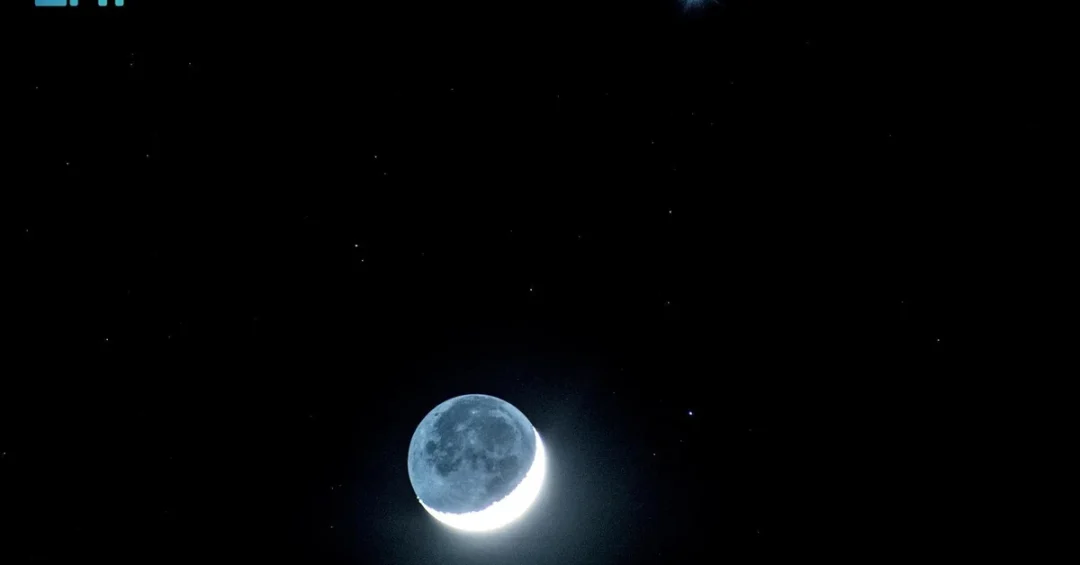
The conjunction of the waxing gibbous moon and the planet Venus was observed in the sky over the Northern Borders Region on the night of January 3, 2025, according to the Saudi Press Agency. The celestial event, visible to the naked eye, was confirmed by Adnan Ramdoun, a member of the Space and Astronomy Club, who described it as a stunning astronomical occurrence. The clear atmospheric conditions provided an ideal opportunity for residents and visitors to witness this rare alignment.
Context and Background
The Northern Borders Region, known for its minimal light pollution and exceptionally clear skies, has long been recognized as a premier destination for astronomy and astrophotography enthusiasts. This natural advantage allows for exceptional visibility of stars, planets, and other celestial bodies. The conjunction of the moon and Venus, two of the brightest objects in the night sky, creates a visually striking event that draws attention from both amateur stargazers and professional astronomers. Saudi Arabia has been increasingly promoting such natural assets as part of its broader tourism and cultural initiatives.
Key Details
Adnan Ramdoun, a member of the Space and Astronomy Club, emphasized that the conjunction could be easily observed without any specialized equipment. “This conjunction is a stunning astronomical event that can be seen with the naked eye,” he stated. The clear atmosphere on the night of the event provided an ideal setting, allowing observers to fully appreciate the proximity and brightness of the two celestial bodies. The Northern Borders Region’s low light pollution levels enhance its appeal for those interested in observing celestial events, making it a hub for astronomy enthusiasts in the Kingdom.
Implications and Impact
The visibility of such astronomical events in the Northern Borders Region highlights Saudi Arabia’s potential for astrotourism, which aligns with the Kingdom’s goals to diversify its economy and attract international visitors. As the region develops its tourism infrastructure, events like this conjunction can serve as a draw for science enthusiasts and tourists seeking unique experiences. The Saudi Space Agency and related clubs are also fostering public interest in space and astronomy, contributing to educational and scientific engagement across the Kingdom.
Vision 2030 Alignment
This astronomical event underscores Saudi Arabia’s commitment under Vision 2030 to develop non-oil sectors, including tourism and scientific education. By leveraging natural assets like the clear skies of the Northern Borders Region, the Kingdom is not only promoting cultural and recreational activities but also inspiring a new generation to explore space science. Such initiatives reflect the forward-looking spirit of Vision 2030, positioning Saudi Arabia as a destination for unique experiences and knowledge-based development.
20 Questions
Q1. What astronomical event was observed in the Northern Borders Region?
A1. The conjunction of the waxing gibbous moon and the planet Venus was observed, where both celestial bodies appeared close together in the night sky over the Northern Borders Region.
Q2. When did this conjunction occur?
A2. The conjunction occurred on the night of January 3, 2025, as reported by the Saudi Press Agency in a statement on January 4, 2025.
Q3. Who confirmed the visibility of this event?
A3. Adnan Ramdoun, a member of the Space and Astronomy Club, confirmed that the conjunction was visible and described it as a stunning astronomical event.
Q4. Could the conjunction be seen without a telescope?
A4. Yes, the conjunction could be seen with the naked eye, as it involved two of the brightest objects in the night sky.
Q5. What made the Northern Borders Region ideal for this observation?
A5. The region has minimal light pollution and an excellent atmosphere for astronomy, providing clear visibility of celestial events.
Q6. Why is the Northern Borders Region good for astrophotography?
A6. Its low light pollution and clear skies offer superb conditions for capturing detailed images of stars and other celestial bodies.
Q7. How does this event benefit Saudi tourism?
A7. It highlights the Kingdom’s potential for astrotourism, attracting visitors interested in unique natural experiences and science-based travel.
Q8. What is the Space and Astronomy Club?
A8. The Space and Astronomy Club is a Saudi organization that promotes interest in space sciences and astronomical observation among enthusiasts.
Q9. Are there other celestial events visible in the region?
A9. Yes, the region regularly offers excellent viewing opportunities for meteor showers, lunar phases, and planetary alignments due to its clear skies.
Q10. What time of day was the conjunction visible?
A10. The conjunction was visible at night, specifically during the evening hours when the moon and Venus became prominent in the sky.
Q11. What is a waxing gibbous moon?
A11. A waxing gibbous moon is a lunar phase where more than half of the moon is illuminated, appearing before a full moon.
Q12. Why is Venus often visible at night?
A12. Venus is the third brightest object in the sky after the sun and moon, and its reflective clouds make it easily visible during dusk and dawn.
Q13. How does light pollution affect astronomy?
A13. Light pollution from cities makes it harder to see faint stars and details, so dark-sky areas like the Northern Borders Region are preferred for observations.
Q14. Is the Northern Borders Region developing tourism?
A14. Yes, as part of Vision 2030, the region is being developed to attract tourists, including those interested in astronomy and natural beauty.
Q15. What role does the Saudi Press Agency play?
A15. The Saudi Press Agency is the official news source, reporting on events and announcements from Saudi government authorities.
Q16. Can this event be seen from other parts of Saudi Arabia?
A16. The conjunction was visible across Saudi Arabia, but the Northern Borders Region offered the best conditions due to its clear atmosphere.
Q17. How does this event inspire science education?
A17. It encourages public interest in astronomy and space sciences, supporting educational programs and clubs in Saudi Arabia.
Q18. What is the significance of reporting such events?
A18. It promotes awareness of Saudi Arabia’s natural and scientific assets, aligning with the Kingdom’s cultural and educational goals under Vision 2030.
Q19. How does the conjunction benefit local communities?
A19. It provides a recreational and educational opportunity for residents, fostering community engagement with science and nature.
Q20. What future astronomical events are expected in the region?
A20. Similar conjunctions, meteor showers, and planetary alignments are anticipated, as the Northern Borders Region is ideal for year-round celestial observation.
Reader Feedback
We value your thoughts. Please share your feedback on this article.
Your feedback helps us improve our coverage.