


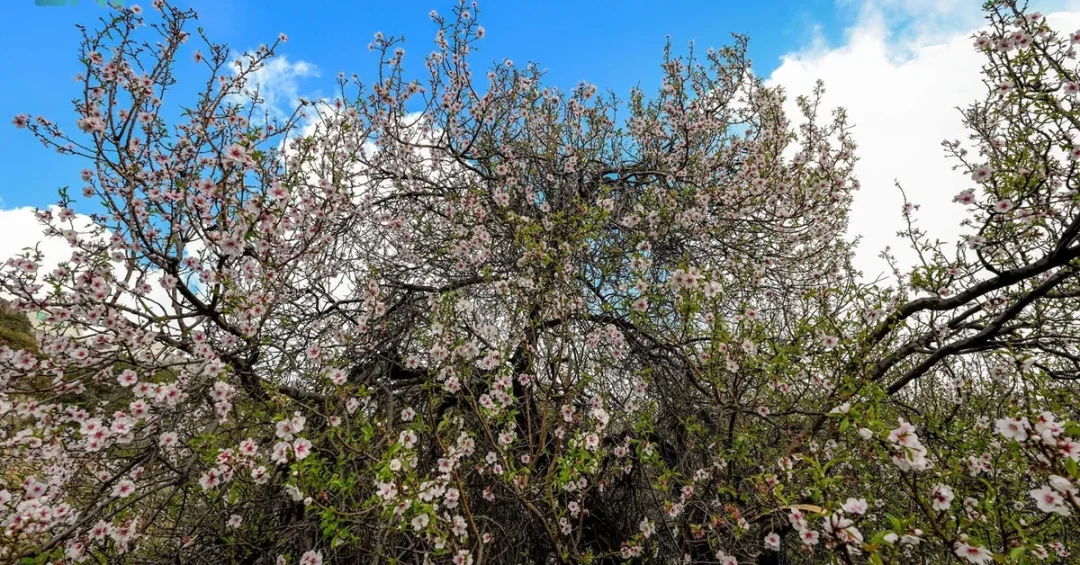
The Ministry of Environment, Water and Agriculture has announced the signing of a contract to establish a new agricultural city dedicated to almond and fruit cultivation in Al-Baha region, aiming to enhance agricultural production and economic growth. The initiative builds on existing almond plantations covering approximately 670,000 square meters in the area, which already contribute to job creation and local trade.
Context and Background
Al-Baha is known for its diverse agricultural crops, unique terrain, and fertile soil, making it a key region for fruit cultivation in the Kingdom of Saudi Arabia. Almond farming, in particular, has long been a symbol of renewal and life during winter months, with blossoms attracting tourists and adding aesthetic value. The new agricultural city is expected to further leverage these natural advantages, supporting the Ministry’s goals to boost food security and rural development.
Key Details
According to the Ministry, each almond tree in the region yields an average of 5 to 6 kilograms per season, and almonds are considered a valuable, durable commodity. Al-Baha holds a distinct advantage in almond production compared to other parts of the Kingdom. The agricultural city will focus on expanding cultivation, improving efficiency, and creating additional employment opportunities. The contract signing was reported by the Saudi Press Agency on February 9, 2025.
Implications and Impact
This development strengthens the local economy by enhancing agricultural trade and attracting tourism through almond blossom viewing. Regionally, it supports Saudi Arabia’s goals of diversifying agricultural output and reducing reliance on imports. The project also aligns with broader efforts to promote sustainable farming practices and increase the contribution of the agricultural sector to GDP.
Vision 2030 Alignment
The new agricultural city directly supports Vision 2030’s objectives of economic diversification, food security, and sustainable resource management. By expanding premium crop production like almonds, Saudi Arabia advances its ambition to become a leader in agricultural innovation and self-sufficiency, while creating jobs and boosting rural tourism in line with the Kingdom’s long-term strategic priorities.
20 Questions
Q1. What is the new agricultural city in Al-Baha?
A1. It is a dedicated agricultural city established to cultivate almonds and other fruits, aimed at boosting production and economic growth in the region.
Q2. Who announced the contract for the agricultural city?
A2. The Ministry of Environment, Water and Agriculture announced the signing of the milestone contract, as reported by the Saudi Press Agency.
Q3. How large are existing almond plantations in Al-Baha?
A3. Existing almond tree plantations cover approximately 670,000 square meters, contributing significantly to the local economy.
Q4. What economic benefits do almond plantations provide?
A4. They create jobs, boost agricultural trade, and support the local economy through almond production and tourism from blossoms.
Q5. Why are almond blossoms significant to Al-Baha?
A5. They symbolize renewal and life during winter, adding aesthetic appeal and attracting tourists and visitors to the region.
Q6. What is the average almond yield per tree per season?
A6. Each tree yields an average of 5 to 6 kilograms per season, according to the Ministry.
Q7. Why are almonds considered a valuable commodity?
A7. Almonds are durable, have long shelf life, and high market demand, making them economically viable for cultivation.
Q8. What advantage does Al-Baha have in almond production?
A8. Al-Baha holds a distinct advantage due to its diverse terrain, fertile soil, and favorable climate for almond farming.
Q9. When was the contract signing reported?
A9. The Saudi Press Agency reported the signing on February 9, 2025.
Q10. How does this project align with Vision 2030?
A10. It supports economic diversification, food security, and sustainable agriculture, key pillars of Saudi Arabia’s long-term strategic goals.
Q11. What role does the Ministry of Environment, Water and Agriculture play?
A11. The Ministry oversees the project, emphasizing the economic viability and benefits of almond cultivation for the region.
Q12. Will the agricultural city create jobs?
A12. Yes, it is expected to create employment opportunities in farming, processing, and tourism sectors.
Q13. How does almond farming boost tourism in Al-Baha?
A13. Almond blossoms attract visitors during winter, enhancing agro-tourism and local hospitality businesses.
Q14. What is the primary source of information for this article?
A14. The primary source is the Saudi Press Agency (SPA), the official news agency of the Kingdom.
Q15. Is the agricultural city focused only on almonds?
A15. No, it is dedicated to almonds and other fruits, diversifying agricultural production in the region.
Q16. How does this project affect food security?
A16. By boosting domestic production of almonds and fruits, it reduces reliance on imports and strengthens self-sufficiency.
Q17. What is the geographical significance of Al-Baha?
A17. Al-Baha features diverse terrain and fertile soil, ideal for various crops, giving it agricultural prominence.
Q18. Does the project involve sustainable farming practices?
A18. Yes, the project aligns with sustainable resource management and modern agricultural techniques under Vision 2030.
Q19. How will the new city impact the local economy?
A19. It will boost agricultural trade, create jobs, attract tourism, and increase income for local farmers.
Q20. What is the long-term vision for agriculture in Al-Baha?
A20. The vision is to transform Al-Baha into a leading center for almond and fruit production, contributing to national goals.
Reader Feedback
We value your thoughts. Please share your feedback on this article.
Your feedback helps us improve our coverage.