


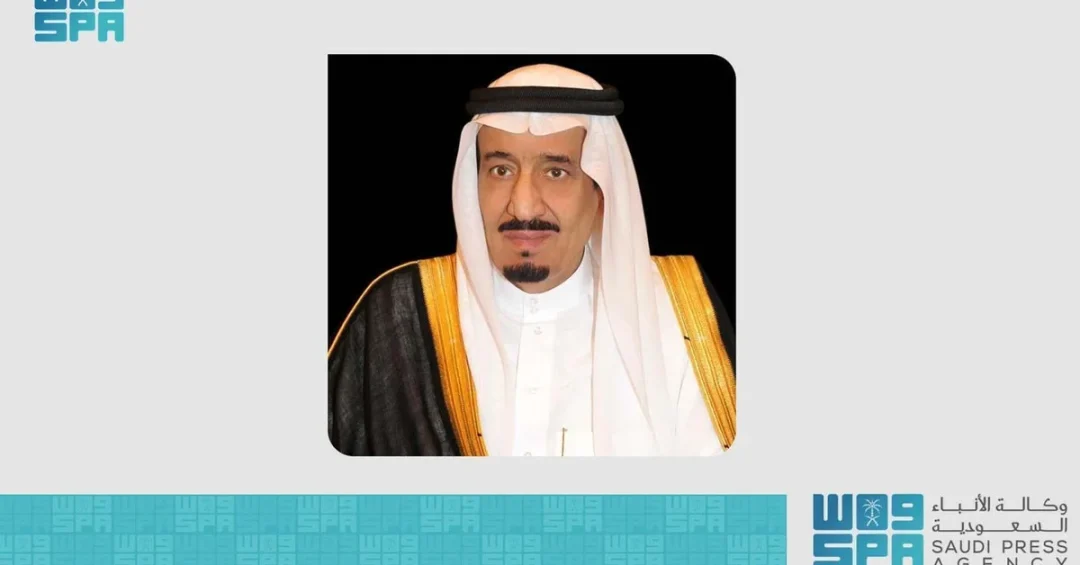
Under the patronage of the Custodian of the Two Holy Mosques King Salman bin Abdulaziz Al Saud, the winners of the 11th edition of the Prince Sultan bin Abdulaziz International Prize for Water (PSIPW) will be honored at a ceremony at the United Nations headquarters in Vienna, Austria, on November 8, 2024. The event will be attended on behalf of the King by Minister of Environment, Water and Agriculture Eng. Abdulrahman bin Abdulmohsen Al-Fadhli, underscoring Saudi Arabia’s commitment to addressing global water challenges through scientific innovation.
Context and Background
Established in 2002 by the late Prince Sultan bin Abdulaziz, the PSIPW is a prestigious global scientific award that recognizes pioneering research in water studies. The prize aims to encourage innovative solutions to water scarcity and conservation, issues of critical importance in arid regions and worldwide. The award is administered with support from King Saud University through the Prince Sultan Institute for Environmental, Water, and Desert Research, and maintains strong ties with the United Nations and international water organizations.
Key Details of the 11th Edition
The ceremony at the UN headquarters in Vienna will feature UN Secretary-General António Guterres, along with dignitaries, ambassadors, and academics from around the world. The PSIPW is awarded biennially in five categories, including an Innovation Prize valued at SAR1 million and four specialized awards of SAR500,000 each, covering surface water, groundwater, alternative water resources, and water resource management. The Innovation Prize was shared by two teams: Dr. Maria Cristina Rulli from Politecnico di Milano and Dr. Paolo D’Odorico from the University of California, Berkeley, for their work on the water-energy-food nexus; and Dr. Zigui He from Zhejiang University, for developing advanced water research robots. The specialized awards recognized Dr. Qiuhua Liang (UK) for flood prediction models, Dr. Chunmiao Zheng (China) for groundwater management tools, Dr. Virender K. Sharma (USA) for wastewater treatment innovations, and Dr. Joseph Hun-wei Lee (China) for smart city water management systems.
Implications and International Impact
The PSIPW’s global recognition highlights Saudi Arabia’s leadership in fostering international scientific collaboration to tackle pressing environmental issues. By honoring researchers from diverse nations, the prize promotes the exchange of knowledge and technologies that can benefit water-stressed regions, supporting sustainable development goals. The event at the UN headquarters underscores the Kingdom’s role as a partner in multilateral efforts to address water scarcity, a challenge amplified by climate change and population growth.
Vision 2030 Alignment
The PSIPW aligns closely with Saudi Vision 2030, which prioritizes water security, environmental sustainability, and innovation. The prize’s success, driven by the support of HRH Prince Khalid bin Sultan bin Abdulaziz, reflects the Kingdom’s dedication to becoming a global hub for research and development. The 12th edition of the award remains open for nominations through the end of 2025, inviting scientists worldwide to contribute to solutions that will shape a more water-secure future, in line with Saudi Arabia’s long-term strategic goals.
20 Questions
Q1. What is the Prince Sultan bin Abdulaziz International Prize for Water (PSIPW)?
A1. It is a global scientific award established in 2002 by the late Prince Sultan bin Abdulaziz, aimed at encouraging innovative research in water studies and addressing water scarcity and conservation issues worldwide.
Q2. When and where will the 11th edition winners be honored?
A2. The winners will be honored on November 8, 2024, at a ceremony at the United Nations headquarters in Vienna, Austria, under the patronage of King Salman bin Abdulaziz Al Saud.
Q3. Who will attend the ceremony on behalf of the King?
A3. Minister of Environment, Water and Agriculture Eng. Abdulrahman bin Abdulmohsen Al-Fadhli will attend the ceremony on behalf of the Custodian of the Two Holy Mosques.
Q4. How many categories does the PSIPW have?
A4. The prize comprises five categories: one Innovation Prize worth SAR1 million and four specialized awards of SAR500,000 each, covering surface water, groundwater, alternative water resources, and water resource management.
Q5. Who won the Innovation Prize in the 11th edition?
A5. The Innovation Prize was awarded to two teams: Dr. Maria Cristina Rulli and Dr. Paolo D’Odorico for water-energy-food nexus research, and Dr. Zigui He for developing advanced water research robots.
Q6. What was the focus of Dr. Qiuhua Liang’s winning work?
A6. Dr. Qiuhua Liang from Loughborough University, UK, won the Surface Water Prize for developing open-source hydrodynamic models that enable real-time, precise flood predictions using graphic processing units.
Q7. What contribution did Dr. Chunmiao Zheng make to groundwater research?
A7. Dr. Chunmiao Zheng from the Eastern Institute of Technology, China, won the Groundwater Prize for developing tools that examine groundwater processes in diverse hydrological and climate conditions for effective management.
Q8. How does the PSIPW align with Saudi Vision 2030?
A8. The prize supports Vision 2030 by promoting water security, environmental sustainability, and innovation, reinforcing Saudi Arabia’s role as a hub for scientific research and global collaboration.
Q9. Who provides administrative and scientific support for the PSIPW?
A9. King Saud University sponsors the prize through the Prince Sultan Institute for Environmental, Water, and Desert Research, providing administrative and scientific support.
Q10. What international organizations are associated with the PSIPW?
A10. The prize maintains close relationships with the United Nations and several Arab and international water organizations, enhancing its global reach and impact.
Q11. Who is the secretary-general of the PSIPW?
A11. The secretary-general of the PSIPW is Dr. Abdulmalik Al-Sheikh, who explained the prize’s focus on encouraging innovative research in water studies.
Q12. What was the second team’s Innovation Prize winning technology?
A12. The second team, led by Dr. Zigui He from Zhejiang University, created advanced, versatile robots with unprecedented maneuverability for water research and monitoring.
Q13. What was Dr. Virender K. Sharma’s award for?
A13. Dr. Virender K. Sharma from Texas A&M University won the Alternative Water Resources Prize for innovative techniques using activated iron to remove pharmaceuticals from wastewater.
Q14. What modeling systems did Dr. Joseph Hun-wei Lee develop?
A14. Dr. Joseph Hun-wei Lee from Macau University of Science and Technology won the Water Resource Management Prize for unique modeling systems supporting sustainable water management in smart cities.
Q15. When will the 12th edition of the PSIPW open for nominations?
A15. The 12th edition nominations remain open through the end of 2025, and scientists are encouraged to apply via the official website at www.psipw.org.
Q16. Who played a key role in the success of the PSIPW?
A16. HRH Prince Khalid bin Sultan bin Abdulaziz played a key role in the prize’s success and global reputation, thanks to his ongoing support and dedication.
Q17. Why is the PSIPW considered important globally?
A17. The prize is important because it addresses global water scarcity through scientific innovation, fostering collaboration among researchers worldwide and promoting sustainable water management.
Q18. What is the significance of holding the ceremony at the UN headquarters?
A18. Holding the ceremony at the UN headquarters highlights Saudi Arabia’s leadership in multilateral efforts to address water issues and strengthens ties with international organizations.
Q19. How often is the PSIPW awarded?
A19. The PSIPW is awarded biennially, meaning it is presented every two years, allowing time for thorough evaluation of innovative water research.
Q20. What message does the PSIPW send about Saudi Arabia’s commitment to science?
A20. The PSIPW demonstrates Saudi Arabia’s strong commitment to supporting scientific research and innovation, aligning with Vision 2030 to foster a knowledge-based economy and global partnerships.
Reader Feedback
We value your thoughts. Please share your feedback on this article.
Your feedback helps us improve our coverage.