


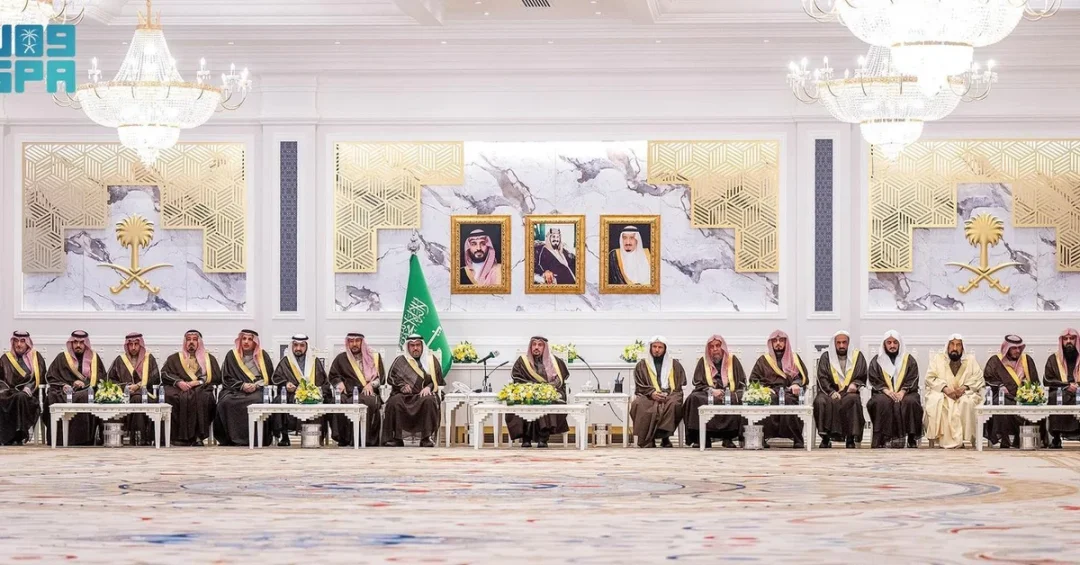
Governor of Qassim Region Prince Dr. Faisal bin Mishaal bin Saud bin Abdulaziz has commended the success of the Green Qassim Land Initiative in planting five million trees, marking a major milestone under the broader Saudi Green Initiative (SGI). The announcement was made during a recent meeting with entities involved in the initiative, as reported by the Saudi Press Agency (SPA).
Context and Background
Launched as part of Saudi Arabia’s ambitious environmental agenda, the Green Qassim Land Initiative aligns with the Kingdom’s Vision 2030 goals of enhancing quality of life and promoting environmental sustainability. The initiative involves collaboration among government agencies, private sector partners, and non-profit organizations to restore vegetation cover and combat desertification in the Qassim region, a key agricultural area in central Saudi Arabia.
Key Details
During the meeting, Prince Dr. Faisal bin Mishaal lauded the efforts of all participating organizations, particularly recognizing the Ministry of Environment, Water, and Agriculture (MEWA)‘s Qassim branch and the National Center for Vegetation Cover Development and Combating Desertification (NCVC). The governor expressed admiration for their innovative approach to repurposing materials confiscated from environmental regulation offenders for sustainable use in reforestation projects, notably within Qassim National Park. Eng. Salman Al Suwainea, Director-General of MEWA’s Qassim branch, affirmed that the initiative has progressed through various stages of collaboration, playing a key role in aligning with the SGI’s objectives.
Implications and Impact
The achievement of planting five million trees is expected to significantly improve local biodiversity, reduce soil erosion, and mitigate the effects of climate change in the region. Ali Al-Asmari, Director of NCVC’s Qassim branch, outlined that the center has planted over 1.165 million trees in national parks and identified 442 environmental regulation violations in 2024. Plans are in place to plant an additional five million trees by 2030, with continued activities such as land reclamation and seed scattering. This advancement reinforces Saudi Arabia’s global leadership in environmental stewardship and its commitment to the UN Sustainable Development Goals.
Vision 2030 Alignment
The Green Qassim Land Initiative directly supports Vision 2030’s objectives of fostering a vibrant society with a high quality of life and a sustainable environment. By expanding green spaces and promoting reforestation, the initiative contributes to the Kingdom’s goal of planting 10 billion trees across the country as part of the Saudi Green Initiative. This milestone demonstrates Saudi Arabia’s unwavering commitment to shaping a greener, more sustainable future for generations to come, strengthening its role as a global environmental leader.
20 Questions
Q1. What is the Green Qassim Land Initiative?
A1. It is an environmental program in Saudi Arabia’s Qassim Region aimed at planting trees, restoring vegetation, and combating desertification, aligned with the national Saudi Green Initiative and Vision 2030 goals.
Q2. Who announced the five million trees milestone?
A2. Governor of Qassim Region Prince Dr. Faisal bin Mishaal bin Saud bin Abdulaziz announced the milestone during a meeting with participating entities, as reported by the Saudi Press Agency.
Q3. Which organizations were praised for their contributions?
A3. The governor praised the Ministry of Environment, Water, and Agriculture’s Qassim branch and the National Center for Vegetation Cover Development and Combating Desertification for their innovative efforts.
Q4. How does the initiative support the Saudi Green Initiative?
A4. It directly contributes to SGI’s goal of planting billions of trees nationwide, enhancing vegetation cover, and promoting environmental sustainability across the Kingdom.
Q5. What innovative approach was highlighted in the project?
A5. The repurposing of materials confiscated from environmental regulation offenders for sustainable use in reforestation projects, particularly within Qassim National Park, was highlighted.
Q6. Who is Eng. Salman Al Suwainea?
A6. Eng. Salman Al Suwainea is the Director-General of MEWA’s Qassim branch, who affirmed the initiative’s progress and collaboration with various organizations.
Q7. Who is Ali Al-Asmari?
A7. Ali Al-Asmari is the Director of the NCVC Qassim branch, who outlined the center’s efforts in planting trees and identifying environmental violations.
Q8. How many trees have been planted in national parks by NCVC?
A8. The NCVC has planted over 1.165 million trees in national parks within the Qassim Region as part of the initiative.
Q9. How many environmental violations were identified in 2024?
A9. The NCVC identified 442 environmental regulation violations in the Qassim Region in 2024, supporting enforcement and reforestation efforts.
Q10. What are the future planting targets for the region?
A10. Plans are in place to plant an additional five million trees by 2030, along with continued land reclamation and seed scattering activities.
Q11. What is the broader goal of the Saudi Green Initiative?
A11. The Saudi Green Initiative aims to plant 10 billion trees across the Kingdom, reduce carbon emissions, and combat desertification and climate change.
Q12. How does this initiative align with Vision 2030?
A12. It supports Vision 2030’s goals of enhancing quality of life, promoting environmental sustainability, and fostering a vibrant society through green infrastructure.
Q13. What are the environmental benefits of planting five million trees?
A13. Benefits include improved biodiversity, reduced soil erosion, enhanced air quality, and mitigation of climate change impacts in the region.
Q14. Who participated in the initiative besides government agencies?
A14. The initiative involved collaboration with private sector partners and non-profit organizations, demonstrating broad community engagement.
Q15. What is the role of the NCVC in the initiative?
A15. The NCVC leads vegetation cover development and desertification combat efforts, including tree planting, land reclamation, and enforcement of environmental regulations.
Q16. How does the initiative repurpose confiscated materials?
A16. Materials confiscated from environmental offenders are recycled and used sustainably in reforestation projects, such as creating soil amendments or irrigation supports.
Q17. What is the significance of Qassim National Park?
A17. It serves as a key site for reforestation within the initiative, benefiting from innovative approaches to convert enforcement actions into environmental restoration.
Q18. How does this achievement reflect on Saudi Arabia globally?
A18. It positions Saudi Arabia as a leader in environmental stewardship, demonstrating commitment to UN Sustainable Development Goals and regional climate action.
Q19. What types of trees are planted in the initiative?
A19. The initiative plants native and adaptive tree species suitable for the Qassim region, supporting local ecosystems and sustainability.
Q20. How can citizens contribute to the Green Qassim Land Initiative?
A20. Citizens can volunteer in tree planting events, adhere to environmental regulations, and support sustainable practices and organizations involved in the initiative.
Reader Feedback
We value your thoughts. Please share your feedback on this article.
Your feedback helps us improve our coverage.