


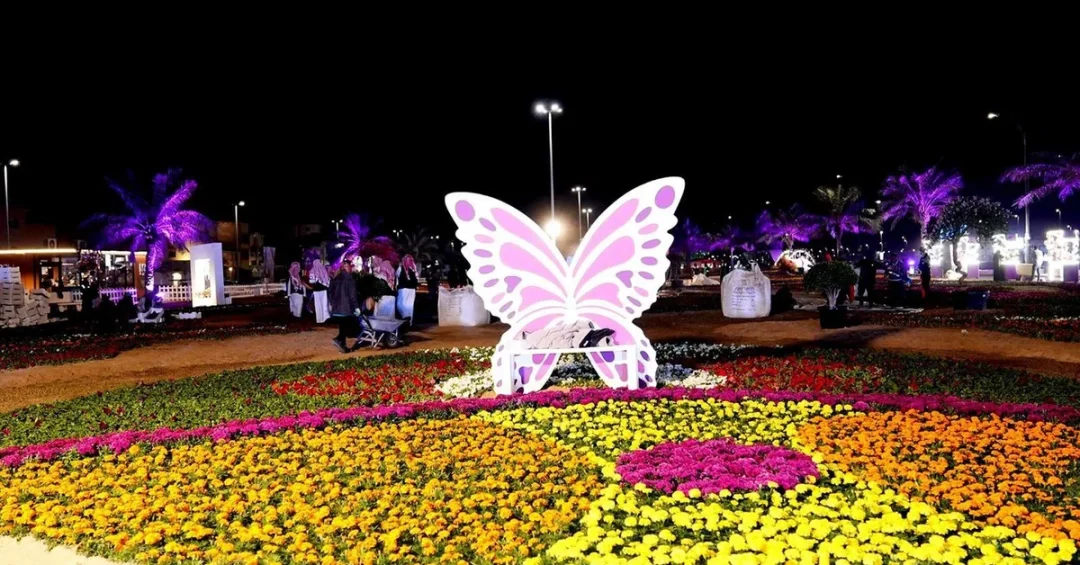
The fourth edition of the Flower Festival commenced yesterday in Qatif Governorate, organized by the Eastern Region Municipality, marking a 12-day celebration aimed at enhancing quality of life and promoting community engagement through cultural and recreational activities. The event showcases a vibrant natural spectacle, featuring over 800,000 seasonal flowers across 130 diverse sections, along with nurseries, cafes, and restaurants. Daily programs include competitions, workshops on flower care, and conservation efforts, underscoring the municipality’s commitment to hosting inclusive and educational events during the pleasant season.
Context and Background
Qatif, a historic oasis region in Saudi Arabia’s Eastern Province, is known for its rich agricultural heritage and natural beauty. The Flower Festival, now in its fourth year, aligns with the Kingdom’s broader efforts to boost domestic tourism and improve residents’ quality of life under Vision 2030. By transforming Qatif into a key tourist destination, the festival supports economic diversification and community well-being.
Key Details
The festival runs for 12 days and features a wide array of activities, including flower exhibitions, educational workshops, and entertainment for all ages. The Eastern Region Municipality emphasized inclusivity, ensuring that programs cater to families, children, and enthusiasts. Over 800,000 seasonal flowers are on display, sourced from local nurseries, highlighting Saudi Arabia’s growing horticultural sector. The event also includes competitions and conservation initiatives to promote environmental awareness.
Implications and Impact
The Flower Festival is part of a larger strategy to develop tourism and recreational offerings in the Eastern Province, attracting both domestic and international visitors. By positioning Qatif as a vibrant cultural and natural destination, the festival contributes to regional economic growth and job creation. It also strengthens community bonds and encourages sustainable practices in flower cultivation and conservation.
Vision 2030 Alignment
This festival directly supports Vision 2030’s goals of enhancing quality of life, promoting tourism, and diversifying the economy. By investing in community events and sustainable horticulture, Saudi Arabia is building a vibrant society with rich cultural offerings, positioning Qatif as a model for inclusive, eco-friendly tourism that aligns with the Kingdom’s long-term ambitions.
20 Questions
Q1. What is the Flower Festival in Qatif?
A1. The Flower Festival is a 12-day annual event organized by the Eastern Region Municipality, featuring over 800,000 flowers, nurseries, and family-friendly activities to boost tourism and quality of life.
Q2. Who organized the festival?
A2. The festival is organized by the Eastern Region Municipality, a government body overseeing municipal services in Saudi Arabia’s Eastern Province.
Q3. When did the festival start?
A3. The festival commenced on February 12, 2025, according to the Saudi Press Agency.
Q4. How long does the festival last?
A4. The festival runs for 12 days, offering extended opportunities for visitors to enjoy the displays and activities.
Q5. How many flowers are on display?
A5. Over 800,000 seasonal flowers are showcased at the festival, arranged in 130 diverse sections.
Q6. What types of activities are available?
A6. Activities include flower exhibitions, workshops on flower care, competitions, conservation programs, and dining options at cafes and restaurants.
Q7. What is the goal of the festival?
A7. The festival aims to enhance quality of life, encourage community participation, and establish Qatif as a key tourist destination.
Q8. How does the festival support Vision 2030?
A8. It aligns with Vision 2030 by promoting tourism, diversifying the economy, and improving residents’ well-being through cultural and recreational offerings.
Q9. Is the festival inclusive?
A9. Yes, the municipality highlighted the festival’s inclusivity and educational activities, ensuring it caters to families and individuals of all ages.
Q10. Where is Qatif located?
A10. Qatif is a historic governorate in the Eastern Province of Saudi Arabia, known for its agricultural heritage and natural landscapes.
Q11. Are there educational opportunities?
A11. Yes, the festival includes workshops on flower care and conservation, providing educational experiences for visitors.
Q12. How does the festival promote conservation?
A12. The festival features conservation efforts and competitions focused on environmental awareness, encouraging sustainable practices.
Q13. What is the economic impact of the festival?
A13. The festival boosts local tourism, supports nurseries and small businesses, and contributes to economic diversification in the region.
Q14. How many sections are there in the festival?
A14. The festival features 130 diverse sections, each displaying different flowers, trees, and shrubs.
Q15. Can visitors purchase flowers?
A15. While the article does not specify sales, the presence of nurseries suggests visitors may have opportunities to purchase plants.
Q16. What is the role of the Eastern Region Municipality?
A16. The municipality organizes the festival and is dedicated to hosting such events to improve quality of life and attract visitors.
Q17. Is the festival held annually?
A17. Yes, this is the fourth edition, indicating it is an annual event held during the pleasant season.
Q18. How does the festival benefit the community?
A18. It brings the community together through shared activities, promotes environmental awareness, and provides entertainment and education.
Q19. What makes Qatif a suitable location for the festival?
A19. Qatif’s agricultural heritage and pleasant climate make it an ideal setting for a flower festival, highlighting the region’s natural beauty.
Q20. How can one stay updated on the festival?
A20. Updates are likely available through the Eastern Region Municipality’s official channels and the Saudi Press Agency.
Reader Feedback
We value your thoughts. Please share your feedback on this article.
Your feedback helps us improve our coverage.