


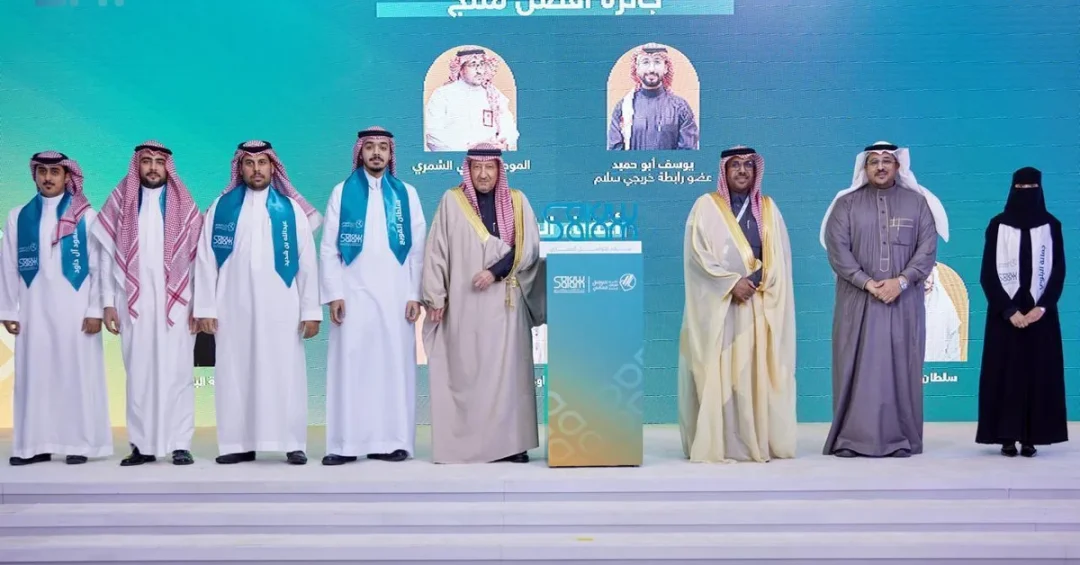
The Salam Project for Cultural Communication celebrated the graduation of the seventh batch of its Youth Leaders Program in Riyadh on January 6, 2025, under the patronage of Foreign Minister Prince Faisal bin Farhan bin Abdullah. The ceremony, attended by Vice Foreign Minister Eng. Waleed El-Khereiji, marked another milestone in Saudi Arabia’s efforts to empower its youth as global ambassadors of culture and diplomacy.
Context and Background
Launched in 2018 under the umbrella of the Salam Project for Cultural Communication, the Youth Leaders Program is designed to equip young Saudis with the skills necessary for effective international representation. Over seven iterations, the program has graduated 432 young men and women. Its comprehensive curriculum covers key areas such as Saudi Vision 2030, intercultural communication, global issues, media engagement, and the Sustainable Development Goals (SDGs), preparing participants for roles in international diplomacy and cultural exchange.
Key Details
During the ceremony, Vice Foreign Minister Eng. Waleed El-Khereiji delivered a speech expressing gratitude to Custodian of the Two Holy Mosques King Salman bin Abdulaziz Al Saud and HRH Prince Mohammed bin Salman bin Abdulaziz Al Saud, Crown Prince and Prime Minister, for their unwavering support of Saudi citizens. El-Khereiji also thanked Prince Faisal bin Farhan bin Abdullah for his patronage, emphasizing the Kingdom’s commitment to equipping young individuals with the necessary skills to represent the nation effectively on the international stage. He highlighted that the program aligns with the goals of Vision 2030 by empowering youth to become influential global ambassadors. Notably, 240 graduates of the program have participated in more than 120 international conferences within and outside the Kingdom, leveraging the program’s training in international representation and diplomacy.
Implications and Impact
The graduation of the seventh batch underscores Saudi Arabia’s sustained investment in human capital and its strategic focus on youth empowerment. By fostering a generation of skilled communicators and diplomats, the program enhances the Kingdom’s soft power and its ability to engage constructively with global partners. The participation of graduates in numerous international forums also strengthens Saudi Arabia’s role in shaping regional and global conversations on key issues, from sustainable development to intercultural dialogue.
Vision 2030 Alignment
The Youth Leaders Program directly supports Saudi Vision 2030 by developing a cadre of empowered, globally engaged citizens who can advance the Kingdom’s interests abroad. As Saudi Arabia continues to open its economy and society, initiatives like this are vital for building bridges of understanding and showcasing the nation’s cultural richness, diplomatic maturity, and commitment to international cooperation. The program’s continued success reflects the Kingdom’s long-term vision of a vibrant society and a thriving economy driven by capable youth.
20 Questions
Q1. What is the Salam Project for Cultural Communication?
A1. The Salam Project for Cultural Communication is a Saudi initiative aimed at promoting cross-cultural understanding and dialogue. It trains young Saudis to represent the Kingdom effectively on international platforms.
Q2. Who is the patron of the Youth Leaders Program?
A2. The Youth Leaders Program is under the patronage of Saudi Foreign Minister Prince Faisal bin Farhan bin Abdullah, highlighting high-level governmental support.
Q3. When was the seventh batch graduation ceremony held?
A3. The graduation ceremony for the seventh batch took place on January 6, 2025, in Riyadh, as reported by the Saudi Press Agency.
Q4. Who attended the graduation ceremony?
A4. The ceremony was attended by Vice Foreign Minister Eng. Waleed El-Khereiji, who delivered a speech on behalf of the Foreign Minister.
Q5. How many graduates has the Youth Leaders Program produced in total?
A5. Over seven iterations, the Youth Leaders Program has graduated 432 young men and women since its launch in 2018.
Q6. What is the main goal of the Youth Leaders Program?
A6. The program aims to equip Saudi youth with skills in intercultural communication, diplomacy, and international representation, preparing them to serve as global ambassadors for the Kingdom.
Q7. How many international conferences have program graduates attended?
A7. A total of 240 program graduates have participated in more than 120 international conferences both within and outside Saudi Arabia.
Q8. What topics does the program curriculum cover?
A8. The curriculum covers Saudi Vision 2030, intercultural communication, global issues, media engagement, Sustainable Development Goals (SDGs), and international diplomacy.
Q9. How does the program align with Saudi Vision 2030?
A9. The program directly supports Vision 2030 by empowering youth to become influential global ambassadors, fostering a generation capable of driving the Kingdom’s international engagement.
Q10. Who expressed gratitude at the ceremony?
A10. Vice Foreign Minister Eng. Waleed El-Khereiji expressed gratitude to King Salman and Crown Prince Mohammed bin Salman for their support of Saudi citizens and the program.
Q11. What is the role of the Vice Foreign Minister in the program?
A11. Eng. Waleed El-Khereiji represented the Foreign Minister at the ceremony and emphasized the Kingdom’s commitment to youth empowerment in diplomacy.
Q12. How does the program enhance Saudi Arabia’s global role?
A12. By training skilled communicators, the program strengthens Saudi Arabia’s soft power and ability to engage constructively on regional and global issues.
Q13. What is the significance of the number 432?
A13. This number represents the total number of young Saudis who have graduated from the Youth Leaders Program across its seven batches, reflecting its growing impact.
Q14. What specific skills do participants learn?
A14. Participants learn skills in international diplomacy, media engagement, cultural communication, and understanding global issues, including the Sustainable Development Goals.
Q15. Is the program limited to Saudi citizens?
A15. Yes, the Youth Leaders Program is designed specifically for Saudi citizens, focusing on preparing them for international representation and cultural diplomacy.
Q16. What is the Sustainable Development Goals (SDGs) component?
A16. The SDGs component educates participants on global development priorities, enabling them to contribute to international discussions on sustainability and human progress.
Q17. How does the program contribute to cultural communication?
A17. The program’s curriculum emphasizes intercultural communication, helping graduates build bridges of understanding between Saudi Arabia and other nations.
Q18. What is the long-term goal of the Salam Project?
A18. The Salam Project aims to foster a global culture of peace and dialogue by training young Saudis to become effective cultural ambassadors and diplomats.
Q19. How often is the program conducted?
A19. The Youth Leaders Program is conducted in batches, with the seventh batch graduating in 2025, indicating regular, ongoing implementation.
Q20. What message does the graduation send to the world?
A20. The graduation signals Saudi Arabia’s sustained commitment to youth empowerment, global engagement, and Vision 2030, showcasing the Kingdom’s diplomatic maturity and cultural openness.
Reader Feedback
We value your thoughts. Please share your feedback on this article.
Your feedback helps us improve our coverage.