


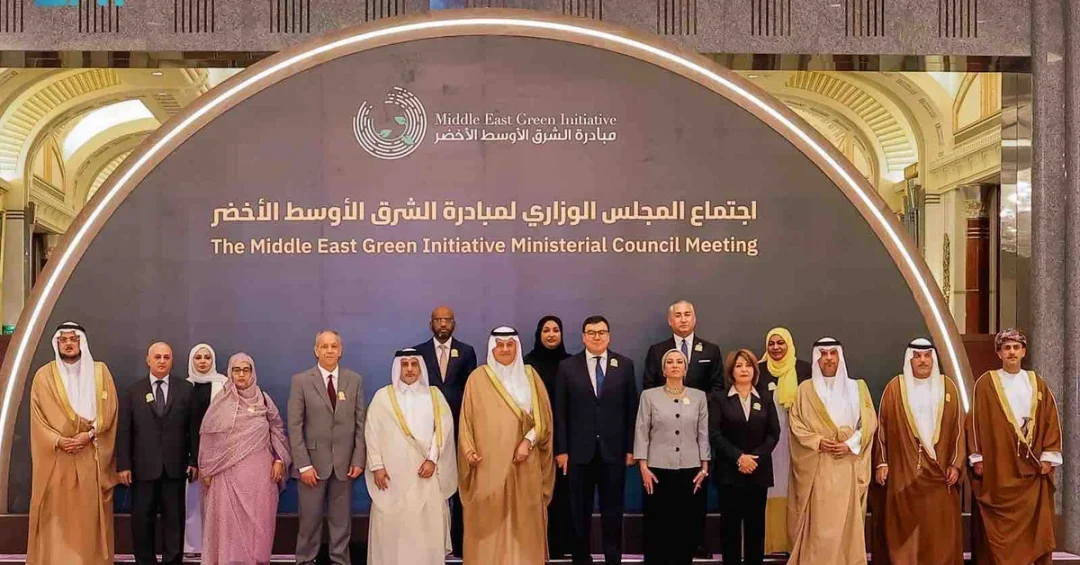
The Kingdom of Saudi Arabia has convened a series of high-level ministerial meetings in Jeddah, calling on Arab states to intensify land restoration and drought resilience initiatives. The meetings, held in October 2024, involved senior government representatives from 22 countries across the Middle East and North Africa region, and come as Saudi Arabia assumes the incoming presidency of the 16th session of the United Nations Convention to Combat Desertification (UNCCD COP16). The discussions underscore the Kingdom’s growing leadership in addressing critical environmental challenges ahead of the landmark global conference scheduled for December in Riyadh.
Context and Background
Land degradation, desertification, and drought are escalating global crises, affecting an estimated 3.2 billion people worldwide. According to the UNCCD, approximately 2 billion tonnes of sand and dust enter the atmosphere each year, with over 25% attributed to human activity. The Arab region is particularly vulnerable, facing severe challenges including reduced agricultural yields, water scarcity, and biodiversity loss. In response, Saudi Arabia has positioned itself at the forefront of international efforts to combat these issues, leveraging its forthcoming UNCCD COP16 presidency to galvanize regional and global cooperation.
Key Details and Ministerial Engagements
During the week of meetings in Jeddah, Saudi Arabia hosted the 35th session of the Council of Arab Ministers Responsible for the Environment, alongside the first ministerial council meeting of the Middle East Green Initiative. This initiative, which aims to plant 50 billion trees across the region—including 10 billion in Saudi Arabia—is designed to restore 200 million hectares of degraded land and achieve 5% of global afforestation goals. Deputy Minister for Environment Dr. Osama Ibrahim Faqeeha emphasized the importance of unified Arab voices, stating, ‘COP16 in Riyadh will be the largest UNCCD COP to date and the first to be held in the Middle East region. It is crucial to ensure the voices of Arab states are heard and pressing concerns regarding land degradation, desertification, and drought are addressed.’
UNCCD Executive Secretary Ibrahim Thiaw addressed attendees, highlighting the region’s vulnerability and urging governments, businesses, and communities to increase investment in land restoration and drought resilience. Countries and organizations were also invited to participate in an investment event during COP16 on December 5, which will outline a regional investment framework integrating land ecosystem restoration with sustainable development solutions.
Implications and International Impact
The ministerial meetings underscore a unified Arab commitment to tackling environmental degradation, with Saudi Arabia’s leadership serving as a catalyst for regional action. By calling for active participation in COP16—including daily Arab Group meetings, negotiating tracks, high-level sessions, and side events—the Kingdom aims to ensure that the UNCCD delivers robust international outcomes. This collaborative approach positions the Arab world as a key partner in global environmental governance, with Saudi Arabia facilitating dialogue between governments, NGOs, and financial institutions.
Vision 2030 Alignment
Saudi Arabia’s focus on land restoration and drought resilience directly supports the objectives of Vision 2030, particularly its emphasis on environmental sustainability, economic diversification, and improved quality of life. By spearheading initiatives such as the Middle East Green Initiative and hosting UNCCD COP16, the Kingdom is demonstrating its commitment to becoming a global leader in environmental stewardship. These efforts not only address pressing ecological challenges but also create new opportunities for green investment, innovation, and international partnerships, contributing to a more sustainable and prosperous future for the region and the world.
20 Questions
Q1. What was the purpose of the ministerial meetings in Jeddah?
A1. The meetings aimed to strengthen regional cooperation on land restoration and drought resilience, ahead of Saudi Arabia’s presidency of UNCCD COP16 in December 2024.
Q2. How many countries participated in the Arab ministerial meetings?
A2. Senior government representatives from 22 countries across the Middle East and North Africa region attended the meetings in Jeddah.
Q3. What is the UNCCD COP16?
A3. It is the 16th session of the United Nations Convention to Combat Desertification, a major global conference focused on addressing land degradation and drought.
Q4. Where and when will COP16 take place?
A4. COP16 will be held in Riyadh, Saudi Arabia, in December 2024, marking the first time the event is hosted in the Middle East.
Q5. Who is Dr. Osama Ibrahim Faqeeha?
A5. Dr. Osama Ibrahim Faqeeha is the Deputy Minister for Environment of Saudi Arabia, who spoke about the importance of Arab voices at COP16.
Q6. What is the Middle East Green Initiative?
A6. It is a regional project aiming to plant 50 billion trees across the Middle East, restore 200 million hectares of land, and contribute 5% to global afforestation goals.
Q7. How many trees will Saudi Arabia plant under the initiative?
A7. Saudi Arabia plans to plant 10 billion trees as part of the Middle East Green Initiative’s broader goal.
Q8. Who is Ibrahim Thiaw?
A8. Ibrahim Thiaw is the Executive Secretary of the UNCCD, who addressed the Jeddah meetings and urged investment in land restoration.
Q9. What environmental challenges does the Arab region face?
A9. The region faces severe drought, sand and dust storms, reduced agricultural yields, water scarcity, and biodiversity loss.
Q10. How many people are affected by land degradation worldwide?
A10. Approximately 3.2 billion people globally are impacted by land degradation, according to UNCCD data.
Q11. What is the investment event during COP16?
A11. On December 5, 2024, COP16 will host an ecosystems investment event to outline a regional framework integrating land restoration with sustainable development.
Q12. What is the significance of COP16 being in Riyadh?
A12. It is the first UNCCD COP in the Middle East, highlighting Saudi Arabia’s leadership in addressing desertification and drought regionally and globally.
Q13. How does the Middle East Green Initiative support Vision 2030?
A13. It aligns with Vision 2030’s goals by promoting environmental sustainability, economic diversification, and improved quality of life through large-scale afforestation.
Q14. What role do Arab countries play in COP16 negotiations?
A14. Arab countries will participate in daily group meetings, negotiating tracks, high-level sessions, and side events to ensure their concerns are addressed.
Q15. What is the ‘blue zone’ at COP16?
A15. The blue zone is the official UNFCCC negotiation area where governments meet; side events are also held there alongside the green zone for public engagement.
Q16. How much sand and dust enters the atmosphere annually?
A16. According to the UNCCD, 2 billion tonnes of sand and dust, equivalent to 350 Great Pyramids of Giza, enter the atmosphere each year.
Q17. What percentage of sand and dust is from human activity?
A17. Over 25% of the 2 billion tonnes of sand and dust entering the atmosphere is due to human activities.
Q18. What are key topics for COP16 in Riyadh?
A18. Key topics include land restoration, drought resilience, sand and dust storms, and land tenure rights, aiming to mobilize global action.
Q19. How does Saudi Arabia’s UNCCD presidency help the region?
A19. It amplifies Arab voices on environmental issues, fosters regional cooperation, and drives investment in sustainable land management solutions.
Q20. What is the long-term goal of the Arab ministerial meetings?
A20. The goal is to unify Arab states in addressing environmental challenges, ensuring collective action that supports global sustainability and Vision 2030 objectives.
Reader Feedback
We value your thoughts. Please share your feedback on this article.
Your feedback helps us improve our coverage.