


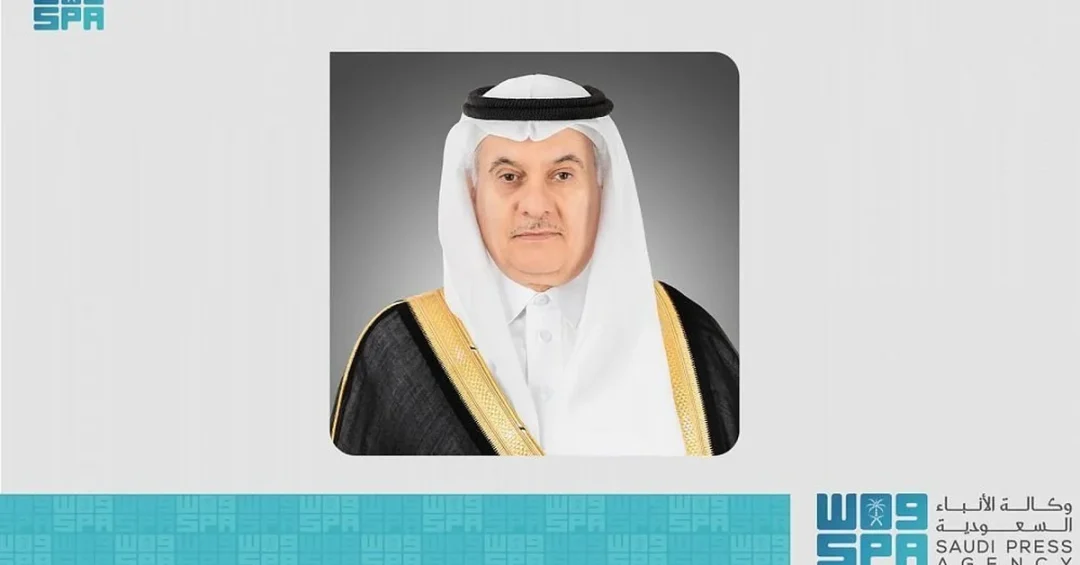
Saudi Arabia has explored enhanced cooperation in agriculture and food security with Group of Twenty (G20) nations, seeking to strengthen investment opportunities and increase trade to support global food security and sustainable development. This initiative was announced following the participation of Minister of Environment, Water, and Agriculture Eng. Abdulrahman Al-Fadley in the G20 agriculture ministers’ meeting held in Brasilia, Brazil, on September 13, 2024, as reported by the Saudi Press Agency (SPA).
Context and Background
The meeting comes at a time of heightened global focus on food security, driven by supply chain disruptions, climate change, and geopolitical tensions. Saudi Arabia, under Vision 2030, has prioritized agricultural self-sufficiency and international partnerships to ensure stable food supplies for its growing population and to contribute to global food system resilience. The Kingdom’s engagement with the G20 reflects its commitment to collaborative solutions and its role as a reliable partner in international forums.
Key Details
During the G20 agriculture ministers’ meeting, Eng. Al-Fadley held several bilateral meetings with his counterparts from member countries to discuss mutual interests. The Saudi delegation also conducted an extensive meeting with Brazilian businessmen, focusing on enhancing cooperation and increasing investment opportunities in the environment, water, and agriculture sectors. Discussions specifically addressed increasing trade in food and livestock, and strengthening the partnership between Saudi Arabia and Brazil—a key agricultural exporter. These engagements aim to create economic and developmental benefits for all parties involved.
International Impact
Saudi Arabia’s proactive approach in the G20 underscores its growing influence in global agricultural policy and food security architecture. By strengthening ties with major agricultural producers like Brazil, the Kingdom seeks to diversify its food import sources, reduce vulnerability to supply shocks, and promote sustainable agricultural practices worldwide. This aligns with broader G20 goals of ensuring affordable food access and supporting sustainable development in developing nations. The bilateral talks also open avenues for technology transfer and joint research in water-efficient farming, crucial for arid regions.
Vision 2030 Alignment
This initiative directly supports Vision 2030 goals of enhancing the Kingdom’s food security, diversifying the economy, and fostering international partnerships. By leveraging G20 cooperation, Saudi Arabia is positioning itself as a hub for agricultural innovation and a leader in sustainable resource management. Such efforts contribute to the long-term stability of global food systems while advancing the Kingdom’s national development agenda, ensuring a prosperous and secure future for its citizens and the wider region.
20 Questions
Q1. What was the main purpose of Saudi Arabia’s participation in the G20 agriculture ministers’ meeting?
A1. The main purpose was to explore cooperation in agriculture and food security, strengthen investment opportunities, and increase trade with G20 countries to support global food security and sustainable development.
Q2. Who represented Saudi Arabia at the G20 agriculture ministers’ meeting in Brasilia?
A2. The Kingdom was represented by Minister of Environment, Water, and Agriculture Eng. Abdulrahman Al-Fadley, who led the Saudi delegation and participated in bilateral meetings with other ministers.
Q3. Where was the G20 agriculture ministers’ meeting held?
A3. The meeting took place in Brasilia, the capital of Brazil, on September 13, 2024, as reported by the Saudi Press Agency.
Q4. Why is food security a priority for Saudi Arabia under Vision 2030?
A4. Food security is a priority to ensure stable food supplies for a growing population, reduce import dependence, and build resilience against global supply chain disruptions and climate change.
Q5. What specific sectors did Saudi Arabia discuss with Brazilian businessmen?
A5. The discussions focused on enhancing cooperation in environment, water, and agriculture, as well as increasing trade in food and livestock to strengthen the partnership between the two countries.
Q6. How does this initiative align with Vision 2030 goals?
A6. It supports Vision 2030 by diversifying the economy, enhancing food security, and fostering international partnerships to drive sustainable development and innovation in agriculture.
Q7. What is the role of the G20 in global food security?
A7. The G20 serves as a platform for major economies to coordinate policies on food security, agricultural trade, and sustainable development, addressing challenges like supply chain disruptions and climate impacts.
Q8. Did Saudi Arabia hold bilateral meetings with other G20 members?
A8. Yes, Eng. Al-Fadley held several bilateral meetings with agriculture ministers from various G20 member countries to discuss mutual interests and cooperation opportunities.
Q9. Why is Brazil a key partner for Saudi Arabia in agriculture?
A9. Brazil is a major global agricultural exporter, and closer ties help Saudi Arabia diversify food import sources, enhance trade, and access advanced farming technologies suitable for arid climates.
Q10. What is the significance of the Saudi-Brazil partnership in livestock trade?
A10. Strengthening livestock trade ensures stable supplies of meat and dairy, supports food security, and fosters economic cooperation between the two nations.
Q11. How does Saudi Arabia promote sustainable agricultural practices globally?
A11. Through G20 cooperation and bilateral agreements, Saudi Arabia shares expertise in water-efficient farming, renewable energy for agriculture, and sustainable resource management.
Q12. What types of investment opportunities were discussed with Brazilian businessmen?
A12. Opportunities in environment, water, and agriculture sectors were discussed, including joint ventures in food production, water management, and sustainable farming technologies.
Q13. How does this meeting contribute to Saudi Arabia’s national food security?
A13. It helps diversify import sources, secure long-term food supply agreements, and promote domestic agricultural innovation, reducing vulnerability to global market fluctuations.
Q14. What was the role of the Saudi Press Agency in reporting this event?
A14. The Saudi Press Agency (SPA) officially reported the meeting, ensuring transparency and providing accurate information to the public and international stakeholders.
Q15. How does climate change influence Saudi Arabia’s agricultural strategy?
A15. Climate change drives the need for water-efficient crops, advanced irrigation, and sustainable farming methods, which Saudi Arabia integrates into its Vision 2030 food security plans.
Q16. What is the expected outcome of enhanced Saudi-Brazil agricultural trade?
A16. Expected outcomes include increased food imports, technology transfer, joint research, and stronger economic ties, benefiting both countries’ agricultural sectors.
Q17. How does Saudi Arabia support sustainable development through G20 cooperation?
A17. By advocating for resilient food systems, sharing best practices, and investing in sustainable agriculture, Saudi Arabia helps achieve G20 goals for poverty reduction and environmental protection.
Q18. What technologies are relevant to Saudi Arabia’s water-efficient farming goals?
A18. Technologies include drip irrigation, hydroponics, desalination for agriculture, and solar-powered systems that reduce water usage while increasing crop yields.
Q19. How does this initiative affect Saudi Arabia’s relationship with other Gulf countries?
A19. It sets a positive example of international engagement and cooperation, potentially encouraging joint Gulf initiatives for regional food security and agricultural innovation.
Q20. What is the long-term vision for Saudi Arabia’s agricultural sector under Vision 2030?
A20. The long-term vision is to achieve sustainable food security, reduce import dependence, and become a global leader in innovative, water-efficient agriculture through partnerships and technology.
Reader Feedback
We value your thoughts. Please share your feedback on this article.
Your feedback helps us improve our coverage.