


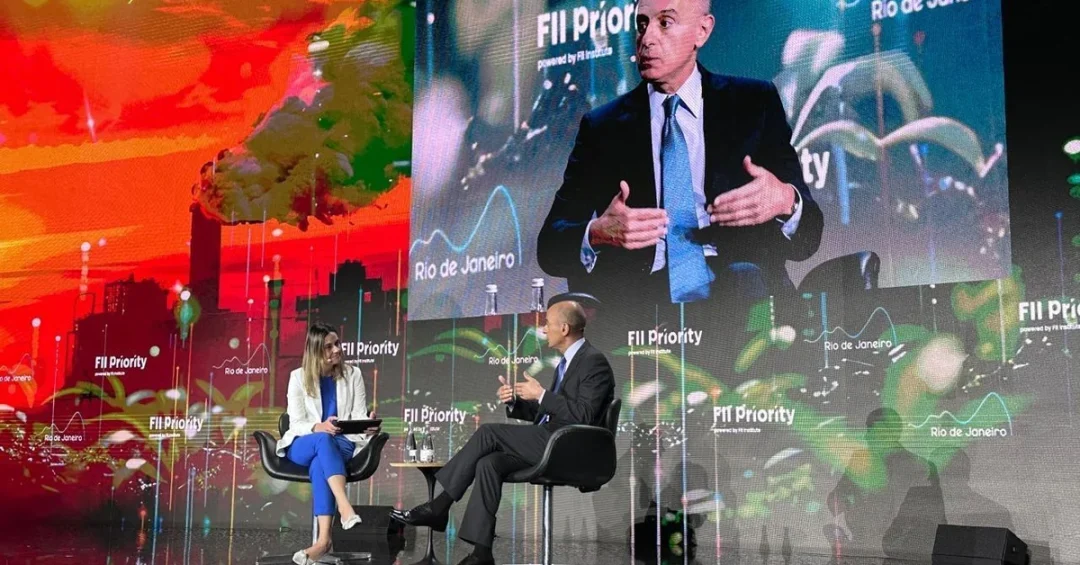
Saudi Arabia is positioning itself among the world’s largest investors in clean energy, undertaking mega-projects dedicated to climate change mitigation, according to a statement by Adel Al-Jubeir, Minister of State for Foreign Affairs and Climate Envoy. The remarks, made during an international forum, underscore the Kingdom’s accelerating commitment to environmental sustainability and its strategic pivot towards a greener economy.
Context and Background
The announcement comes as Saudi Arabia aggressively pursues its Vision 2030 objectives, which include a significant expansion of renewable energy capacity and the development of a comprehensive carbon management ecosystem. The Kingdom has set a target of generating 50% of its electricity from renewable sources by 2030, a goal that is driving unprecedented investment in solar, wind, and green hydrogen projects. These initiatives are part of a broader national strategy to diversify the economy away from hydrocarbons while assuming a leading role in global climate action.
Key Details
Minister Al-Jubeir highlighted several flagship projects that exemplify Saudi Arabia’s ambition. The NEOM green hydrogen project, a joint venture with ACWA Power and Air Products, is set to become one of the world’s largest producers of green hydrogen by 2026. The Sudair Solar PV plant, with a capacity of 1.5 gigawatts, is another cornerstone of the clean energy expansion. Additionally, the Saudi Green Initiative and the Middle East Green Initiative aim to plant 50 billion trees across the region, restoring vast areas of degraded land and creating a carbon sink of global significance. These projects are financed through a combination of government investment and private sector partnerships, reflecting a robust financial commitment of over $180 billion towards green initiatives by 2030.
Implications and Impact
Saudi Arabia’s leadership in clean energy investment carries significant international implications. As a major oil producer, the Kingdom’s transition serves as a powerful model for other resource-dependent economies seeking to decarbonize. The development of green hydrogen, in particular, positions Saudi Arabia as a key supplier of clean fuel to Europe and Asia, potentially reshaping global energy trade flows. The ambitions of the Saudi Green Initiative extend beyond national borders, promoting regional reforestation and carbon capture that benefit air quality and biodiversity across the Middle East. By hosting global forums and investing in carbon capture technologies, the Kingdom is actively shaping the international agenda on climate mitigation, emphasizing that economic growth and environmental stewardship can coexist.
Vision 2030 Alignment
These clean energy mega-projects are central to Vision 2030’s goal of creating a vibrant, sustainable, and diversified economy. By becoming a global leader in renewable energy, Saudi Arabia is not only reducing its domestic carbon footprint but also building entirely new industrial sectors and high-skilled jobs. The investments in green hydrogen and solar power directly contribute to the Kingdom’s ambition to become a hub for energy innovation and a leading exporter of clean technology. As Minister Al-Jubeir’s statement confirms, Saudi Arabia’s strategy is clear: to merge its historical role as an energy powerhouse with a future defined by environmental responsibility and economic resilience, fulfilling its Vision 2030 commitment to a prosperous and sustainable tomorrow.
Reader Feedback
We value your thoughts. Please share your feedback on this article.
Feedback submitted successfully. Thank you.
(function(){var articleRef=window.location.pathname||window.location.href;var b=document.getElementById(‘fb-submit’);if(!b)return;b.addEventListener(‘click’,function(){var n=document.getElementById(‘fb-name’).value.trim();var m=document.getElementById(‘fb-message’).value.trim();var ok=document.getElementById(‘fb-success’);var er=document.getElementById(‘fb-error’);ok.style.display=’none’;er.style.display=’none’;if(!n||!m){er.textContent=’Name and message are required.’;er.style.display=’block’;return;}b.disabled=true;fetch(‘/api/feedback’,{method:’POST’,headers:{‘Content-Type’:’application/json’},body:JSON.stringify({name:n,message:m,article_reference:articleRef})}).then(function(r){if(!r.ok)throw new Error(‘submit failed’);return r.json();}).then(function(){ok.style.display=’block’;document.getElementById(‘fb-message’).value=”;}).catch(function(){er.textContent=’Error submitting feedback. Please try again.’;er.style.display=’block’;}).finally(function(){b.disabled=false;});});})();