


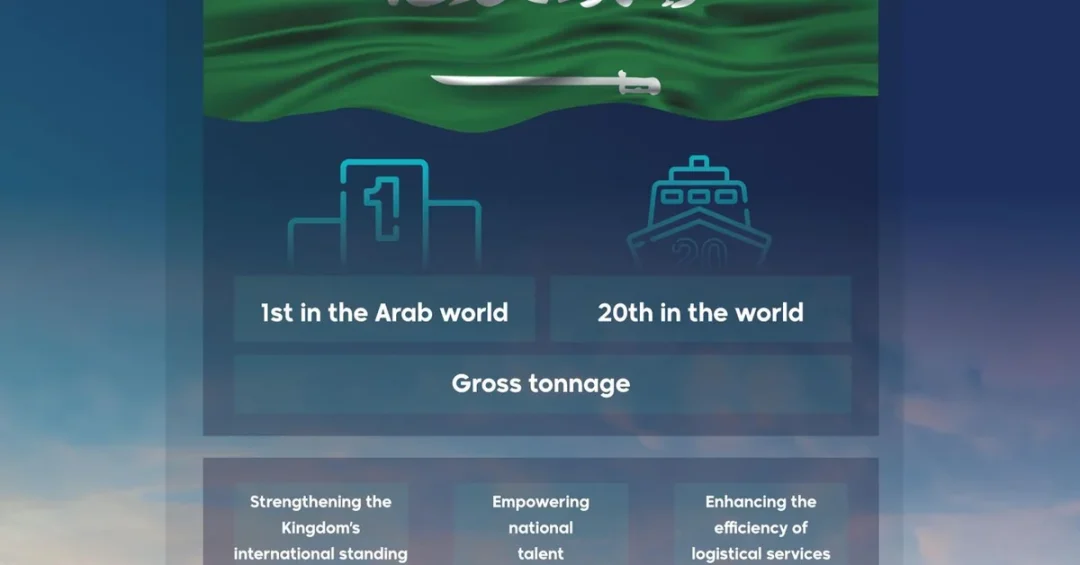
Saudi Arabia has solidified its position as a regional maritime leader in 2024, recording a 6.4% increase in its fleet’s gross tonnage compared to the previous year and securing the 20th rank globally. This achievement, announced by the Saudi Press Agency (SPA) on January 27, 2025, underscores the Kingdom’s growing influence in international trade and its commitment to developing a world-class maritime sector as a cornerstone of its economic diversification strategy.
Context and Background
This significant growth in gross tonnage reflects the success of Saudi Arabia’s National Transport and Logistics Strategy (NTLS), a key initiative under Vision 2030. The NTLS aims to transform the Kingdom into a global logistics hub by enhancing the efficiency and capacity of its maritime fleet to meet the highest international standards. By modernizing its ports and shipping capabilities, Saudi Arabia is not only boosting its trade volume but also strengthening its connectivity with global markets, leveraging its strategic geographic location at the crossroads of Asia, Africa, and Europe.
Key Details
The SPA report highlights the critical role played by over 2,000 certified Saudi seafarers in driving this progress. These professionals bring extensive technical and practical expertise to manage and advance maritime operations while ensuring full compliance with international safety and environmental standards. The Kingdom continues to invest in specialized training and qualification programs to develop more national talent, ensuring sustained growth and global competitiveness. This focus on human capital aligns with broader Vision 2030 goals of empowering Saudi citizens and creating a knowledge-based economy.
Implications and Impact
Saudi Arabia’s maritime advancement carries substantial regional and international implications. Within the Arab world, the Kingdom’s leadership in gross tonnage reinforces its role as a driving force for economic integration and trade facilitation. Globally, the 20th position marks a step toward Saudi Arabia’s ambition to become a top-tier maritime player, attracting foreign investment and building trust with international shipping partners. The Kingdom’s commitment to high-quality investments and advanced infrastructure provides a reliable gateway for global trade, enhancing supply chain resilience and offering new opportunities for investors in the sector.
Vision 2030 Alignment
This milestone directly supports Saudi Arabia’s Vision 2030 by diversifying the economy away from oil dependence and strengthening the maritime sector’s role in sustainable development. As the Kingdom continues to expand its fleet and improve port infrastructure, it is positioning itself as a key partner in international trade and a trusted destination for maritime investments. The sustained focus on developing national talent and adhering to global standards will further enhance Saudi Arabia’s competitiveness, paving the way for long-term economic growth and regional leadership.
20 Questions
Q1. What is the significance of Saudi Arabia’s 6.4% increase in gross tonnage in 2024?
A1. It demonstrates the Kingdom’s growing maritime capacity and its success in implementing the National Transport and Logistics Strategy, boosting trade and global competitiveness.
Q2. How did Saudi Arabia rank globally in maritime gross tonnage in 2024?
A2. Saudi Arabia secured the 20th position globally, reflecting its strong performance and steady progress toward becoming a leading maritime hub.
Q3. What is the National Transport and Logistics Strategy (NTLS)?
A3. The NTLS is a Vision 2030 initiative aimed at developing Saudi Arabia into a global logistics hub by modernizing transport infrastructure, including the maritime fleet.
Q4. How many certified Saudi seafarers contributed to this achievement?
A4. Over 2,000 certified Saudi seafarers were instrumental in managing maritime operations and ensuring compliance with international standards.
Q5. Why is the maritime sector important for Saudi Arabia’s Vision 2030?
A5. It helps diversify the economy, create jobs, and position the Kingdom as a key player in global trade, reducing dependence on oil revenues.
Q6. What role does Saudi Arabia’s geographic location play in its maritime success?
A6. Its strategic location at the crossroads of Asia, Africa, and Europe makes it a natural gateway for international trade and logistics.
Q7. What types of training programs are available for Saudi maritime personnel?
A7. The Kingdom offers specialized training and qualification programs to equip nationals with technical and practical skills for maritime operations.
Q8. How does this achievement benefit international investors?
A8. It signals a stable, high-quality maritime infrastructure and a business-friendly environment, building confidence for foreign investment in the sector.
Q9. What is the regional impact of Saudi Arabia’s maritime leadership?
A9. It strengthens the Kingdom’s role as a leading Arab economic power, fostering trade integration and regional cooperation.
Q10. How does the gross tonnage increase support sustainable development?
A10. By enhancing trade efficiency and creating green jobs, the maritime sector contributes to economic growth that aligns with environmental goals.
Q11. What international standards does Saudi Arabia follow in maritime operations?
A11. The Kingdom adheres to global safety, environmental, and operational standards set by bodies like the International Maritime Organization (IMO).
Q12. How does the maritime sector contribute to job creation in Saudi Arabia?
A12. It generates employment for seafarers, port workers, and logistics professionals, supporting the Vision 2030 goal of increasing workforce participation.
Q13. What are the main ports involved in Saudi Arabia’s maritime growth?
A13. Key ports include King Abdulaziz Port in Dammam, Jeddah Islamic Port, and King Abdullah Port, which are being modernized for higher efficiency.
Q14. How does this achievement compare to other regional countries?
A14. Saudi Arabia leads the Arab and regional domains in gross tonnage, outpacing many neighboring countries in maritime capacity.
Q15. What is the role of the Saudi Ports Authority in this progress?
A15. The authority oversees port operations and infrastructure development, ensuring alignment with Vision 2030 and international best practices.
Q16. Is Saudi Arabia investing in green maritime technologies?
A16. Yes, the Kingdom is exploring eco-friendly shipping solutions to reduce emissions and promote sustainable maritime practices.
Q17. How does this growth affect global supply chains?
A17. By expanding its fleet and port capacity, Saudi Arabia enhances global supply chain resilience, offering reliable routes for international trade.
Q18. What future targets does Saudi Arabia have for the maritime sector?
A18. The Kingdom aims to climb higher in global rankings and become a top-tier maritime hub under the NTLS and Vision 2030.
Q19. How are Saudi seafarers recognized for their contributions?
A19. They are celebrated as national assets, with their expertise highlighted in official reports as key drivers of maritime success.
Q20. What message does this milestone send to the international community?
A20. It reinforces Saudi Arabia’s commitment to modernization, economic diversification, and reliable partnership in global trade and logistics.
Reader Feedback
We value your thoughts. Please share your feedback on this article.
Your feedback helps us improve our coverage.