


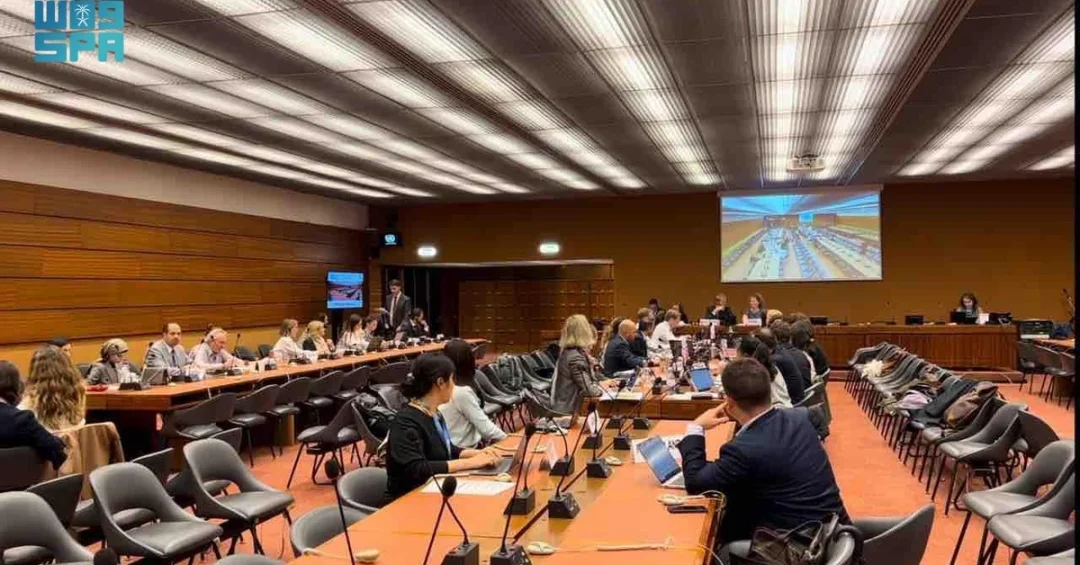
The Kingdom of Saudi Arabia, represented by Dr. Aqeel Al Ghamdi, Assistant Supervisor General of Planning and Development at the King Salman Humanitarian Aid and Relief Centre (KSrelief), participated in the regular expert-level meeting of the United Nations Office for the Coordination of Humanitarian Affairs (OCHA) Donor Support Group, chaired by the Kingdom of Norway in Geneva on October 17, 2024. The gathering brought together international donors and humanitarian stakeholders to discuss global coordination and funding challenges.
Context and Background
The OCHA Donor Support Group serves as a critical platform for dialogue between major humanitarian donors and the United Nations, focusing on enhancing the effectiveness of global aid operations. Saudi Arabia’s active participation underscores its longstanding commitment to humanitarian principles and its growing role as a leading donor nation under the guidance of KSrelief. The meeting’s agenda centered on implementing OCHA’s Strategic Plan for 2025 and improving coordination mechanisms to address escalating global crises.
Key Details and Contributions
During the discussions, Dr. Al Ghamdi praised the Flagship Initiative aimed at improving humanitarian coordination and emphasized the importance of integrating humanitarian and development efforts to ensure sustainable support for affected populations. He also stressed the need to involve local communities in the planning process for the Humanitarian Program Cycle for 2025, highlighting Saudi Arabia’s people-centered approach. Additionally, Dr. Al Ghamdi expressed concern over the funding gap in OCHA’s budget for 2025 and called for sustainable solutions, as well as stronger oversight and accountability mechanisms to ensure aid reaches the most vulnerable groups.
Focus on Sudan and Regional Support
In a special session addressing the humanitarian situation in Sudan, Dr. Al Ghamdi reviewed Saudi Arabia’s ongoing support efforts. The Kingdom recently organized a high-level event at the United Nations General Assembly, where more than $500 million were pledged for the humanitarian response in Sudan and the surrounding region, including a $25 million contribution from the Central Emergency Response Fund. Saudi Arabia has committed a total of $115 million to support Sudan, focusing on critical areas such as food aid, health services, water, sanitation, shelter, and food supplies for displaced individuals and refugees. This commitment reflects the Kingdom’s proactive approach to addressing one of the world’s most pressing humanitarian crises.
Implications and International Impact
The meeting concluded by emphasizing the importance of strengthening cooperation and partnership between donor countries and OCHA to secure necessary funding and achieve a comprehensive, sustainable humanitarian response to crises worldwide. Saudi Arabia’s active role in these discussions highlights its capacity to influence global humanitarian policy and its dedication to fostering international solidarity. By advocating for innovative solutions and accountability, the Kingdom reinforces its position as a reliable partner in the international humanitarian system.
20 Questions
Q1. What was the main topic of the OCHA Donor Support Group meeting?
A1. The meeting focused on implementing OCHA’s Strategic Plan for 2025, improving humanitarian coordination through the Flagship Initiative, and addressing the Humanitarian Program Cycle for 2025.
Q2. Who represented Saudi Arabia at the meeting?
A2. Dr. Aqeel Al Ghamdi, Assistant Supervisor General of Planning and Development at KSrelief, represented the Kingdom of Saudi Arabia at the expert-level meeting.
Q3. Which country chaired the OCHA Donor Support Group meeting?
A3. The Kingdom of Norway chaired the regular expert-level meeting of the OCHA Donor Support Group in Geneva.
Q4. What is the role of KSrelief in Saudi humanitarian efforts?
A4. KSrelief is the King Salman Humanitarian Aid and Relief Centre, the main agency through which Saudi Arabia coordinates and delivers its international humanitarian aid and development assistance.
Q5. What is the Flagship Initiative discussed at the meeting?
A5. The Flagship Initiative is a program aimed at improving humanitarian coordination globally, and it was praised by Dr. Al Ghamdi for its potential to integrate humanitarian and development efforts.
Q6. Why is integrating humanitarian and development efforts important?
A6. Integrating these efforts ensures sustainable support for affected populations, moving beyond short-term relief to address root causes and build long-term resilience.
Q7. What did Dr. Al Ghamdi emphasize about local communities?
A7. Dr. Al Ghamdi stressed the importance of involving local communities in the planning process for humanitarian programs to ensure their effectiveness and relevance.
Q8. What concern did Dr. Al Ghamdi raise about OCHA’s budget?
A8. He expressed concern about the funding gap in OCHA’s budget for 2025 and called for sustainable solutions to fund its humanitarian activities.
Q9. What accountability measures did Dr. Al Ghamdi advocate for?
A9. He advocated for strengthening oversight and accountability mechanisms to ensure that aid reaches the most vulnerable groups effectively.
Q10. Which humanitarian crisis was discussed in a special session?
A10. The humanitarian situation in Sudan was specifically addressed in a special session during the meeting.
Q11. How much was pledged for Sudan at the UN General Assembly event?
A11. More than $500 million were pledged for the humanitarian response in Sudan and the region during a high-level event at the UN General Assembly.
Q12. What was Saudi Arabia’s contribution to that pledge?
A12. Saudi Arabia’s contribution included a $25 million donation from the Central Emergency Response Fund as part of the overall pledge.
Q13. What is the total amount Saudi Arabia committed to support Sudan?
A13. Saudi Arabia has committed $115 million to support Sudan, focusing on food aid, health services, water, and sanitation.
Q14. What specific needs does Saudi aid aim to address in Sudan?
A14. The aid targets food aid, health services, water, sanitation, shelter, and food supplies for displaced individuals and refugees in Sudan.
Q15. What is the OCHA Donor Support Group’s primary goal?
A15. Its goal is to foster dialogue between major donors and OCHA to enhance the effectiveness and funding of global humanitarian operations.
Q16. How does Saudi Arabia’s participation benefit global humanitarian efforts?
A16. Saudi Arabia’s engagement brings financial resources, strategic advocacy, and a focus on accountability, strengthening the international humanitarian system.
Q17. What is the Humanitarian Program Cycle for 2025?
A17. It is a framework for analyzing needs, allocating resources, and planning humanitarian responses for the year 2025, discussed during the meeting.
Q18. Did the meeting focus on any specific regions or countries?
A18. Yes, a special session was dedicated to the humanitarian situation in Sudan, highlighting the urgency of the crisis there.
Q19. What was the overall outcome of the meeting?
A19. The meeting concluded by reaffirming the need for stronger cooperation and partnership between donors and OCHA to achieve a sustainable humanitarian response worldwide.
Q20. How does this meeting align with Saudi Arabia’s international role?
A20. It reinforces Saudi Arabia’s commitment to global humanitarian leadership and its strategic role in promoting stability and support for vulnerable populations through organizations like KSrelief.
Reader Feedback
We value your thoughts. Please share your feedback on this article.
Your feedback helps us improve our coverage.