


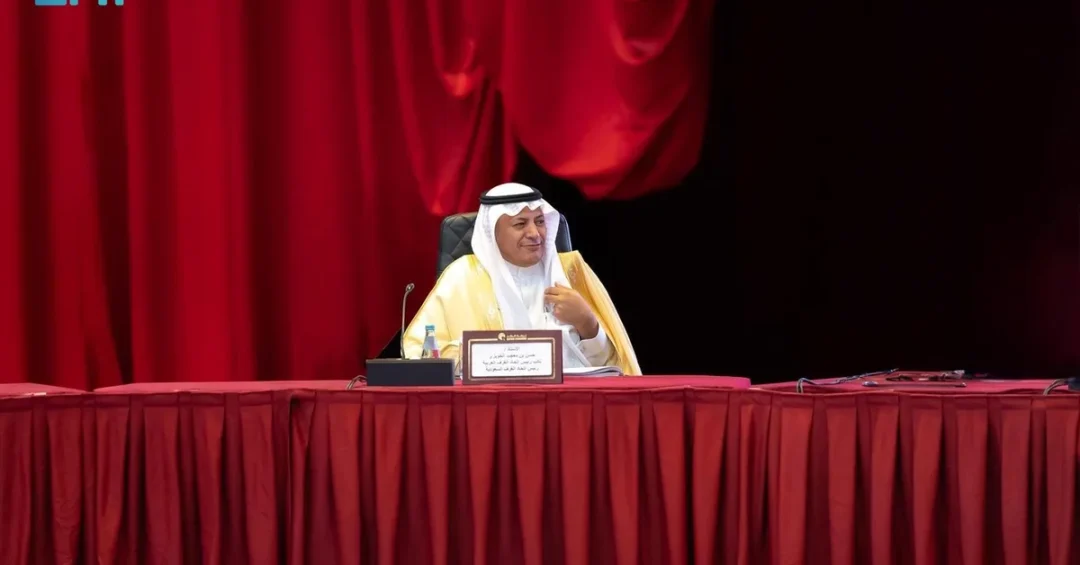
The Board of Directors of the Union of Arab Chambers has appointed Hassan bin Moejeb Al-Huwaizi, President of the Federation of Saudi Chambers, as its First Vice President during its 135th session held in Qatar. This appointment, announced by the Saudi Press Agency on September 29, 2024, underscores the Kingdom of Saudi Arabia’s leading role in fostering joint Arab economic cooperation and integration.
Context and Background
The Union of Arab Chambers, a key regional body representing the private sector across Arab nations, made the decision during its recent board meeting. Al-Huwaizi’s elevation to the vice presidency comes as a recognition of Saudi Arabia’s growing influence in regional economic affairs. The Kingdom has been actively pursuing policies to boost non-oil trade and investment under its ambitious Vision 2030 reform agenda, making this appointment a strategic move to strengthen intra-Arab economic ties.
Key Details
Beyond his new role, Al-Huwaizi holds multiple prominent positions, including President of the Federation of Saudi Chambers, Vice President of the Federation of GCC Chambers, and President of the Abha Chamber. His extensive leadership experience is expected to drive forward initiatives aimed at removing barriers to trade and investment. In his acceptance, Al-Huwaizi highlighted the urgent need to boost intra-Arab trade, which currently stands at only 13.8% of total foreign trade for Arab countries—a figure he described as modest compared to other regional blocs. He called for intensified efforts to address regulatory, customs, and procedural hurdles that impede trade flows among Arab states.
Implications and Impact
The appointment carries significant implications for regional economic integration. As the new First Vice President, Al-Huwaizi is well-positioned to advocate for policy harmonization and the reduction of trade barriers across the Arab world. This move aligns with broader efforts by Saudi Arabia to enhance its leadership in the region, particularly in the economic sphere. By fostering a more integrated Arab market, the Union aims to unlock new opportunities for businesses, entrepreneurs, and investors, ultimately contributing to greater economic resilience and growth.
Vision 2030 Alignment
This development is a natural extension of Saudi Vision 2030, which seeks to transform the Kingdom into a global investment powerhouse and a hub for trade and logistics. By leading the charge to revitalize intra-Arab trade, Al-Huwaizi’s appointment reinforces Saudi Arabia’s commitment to economic diversification and regional prosperity. The move supports Vision 2030’s goal of increasing the non-oil sector’s contribution to GDP and strengthens the Kingdom’s position as a catalyst for collaborative economic progress in the Arab world.
20 Questions
Q1. What is the Union of Arab Chambers?
A1. The Union of Arab Chambers is a regional organization that represents the private sector across Arab nations, aiming to promote economic cooperation and integration among member countries.
Q2. Who was appointed as First Vice President of the Union of Arab Chambers?
A2. Hassan bin Moejeb Al-Huwaizi, President of the Federation of Saudi Chambers, was appointed as First Vice President during the 135th session of the board in Qatar.
Q3. When and where was this appointment made?
A3. The appointment was made on September 29, 2024, during the Union’s 135th board session held in Qatar, as reported by the Saudi Press Agency.
Q4. What does this appointment signify for Saudi Arabia?
A4. It underscores Saudi Arabia’s active role in promoting joint Arab economic cooperation and reflects confidence in the Kingdom’s private sector leadership.
Q5. What other leadership roles does Al-Huwaizi hold?
A5. He serves as President of the Federation of Saudi Chambers, Vice President of the Federation of GCC Chambers, and President of the Abha Chamber.
Q6. What is the current percentage of intra-Arab trade?
A6. Intra-Arab trade accounts for only 13.8% of the total foreign trade of Arab countries, according to Al-Huwaizi.
Q7. Why is intra-Arab trade considered modest?
A7. Compared to other regional blocs, this percentage is low, highlighting significant untapped potential for economic integration among Arab states.
Q8. What barriers hinder intra-Arab trade?
A8. Regulatory, customs, and procedural barriers are key obstacles that limit trade flows between Arab countries, as noted by Al-Huwaizi.
Q9. How does this appointment relate to Vision 2030?
A9. It aligns with Vision 2030’s goals of economic diversification and boosting non-oil trade, reinforcing Saudi leadership in regional economic progress.
Q10. What is the goal of the Union of Arab Chambers?
A10. The Union aims to foster economic cooperation, integration, and unity among Arab nations through private sector collaboration and policy advocacy.
Q11. How might Al-Huwaizi’s new role impact regional trade?
A11. He is well-positioned to advocate for removing trade barriers and harmonizing policies, likely stimulating greater economic activity across the Arab world.
Q12. What is the significance of the 135th session?
A12. It marked a key decision point where board members appointed leadership to drive the Union’s strategic objectives for economic integration.
Q13. Is this appointment supported by official Saudi sources?
A13. Yes, the announcement was made through the Saudi Press Agency, an official state news authority of the Kingdom of Saudi Arabia.
Q14. What does Al-Huwaizi’s experience bring to the role?
A14. His comprehensive economic vision and senior leadership in multiple chambers contribute to effective strategies for advancing Arab economic cooperation.
Q15. How does this affect Saudi Arabia’s global standing?
A15. It strengthens the Kingdom’s reputation as a proactive leader in regional economic diplomacy and a driver of collaborative growth.
Q16. What was Al-Huwaizi’s reaction to the appointment?
A16. He expressed appreciation for the confidence of the board and emphasized the need to intensify efforts to boost intra-Arab trade.
Q17. What sectors could benefit from increased intra-Arab trade?
A17. Non-oil sectors like manufacturing, logistics, agriculture, and services stand to gain from reduced barriers and greater market access.
Q18. Does this appointment have implications for the GCC?
A18. Yes, as Vice President of the Federation of GCC Chambers, Al-Huwaizi can synergize efforts between the GCC and broader Arab economic initiatives.
Q19. How does this align with Saudi diplomacy?
A19. It supports Saudi efforts to strengthen regional partnerships and foster economic stability, a cornerstone of the Kingdom’s foreign policy.
Q20. What next steps are expected from Al-Huwaizi?
A20. He is expected to lead initiatives to streamline trade procedures and promote policy reforms that facilitate greater Arab economic integration.
Reader Feedback
We value your thoughts. Please share your feedback on this article.
Your feedback helps us improve our coverage.