


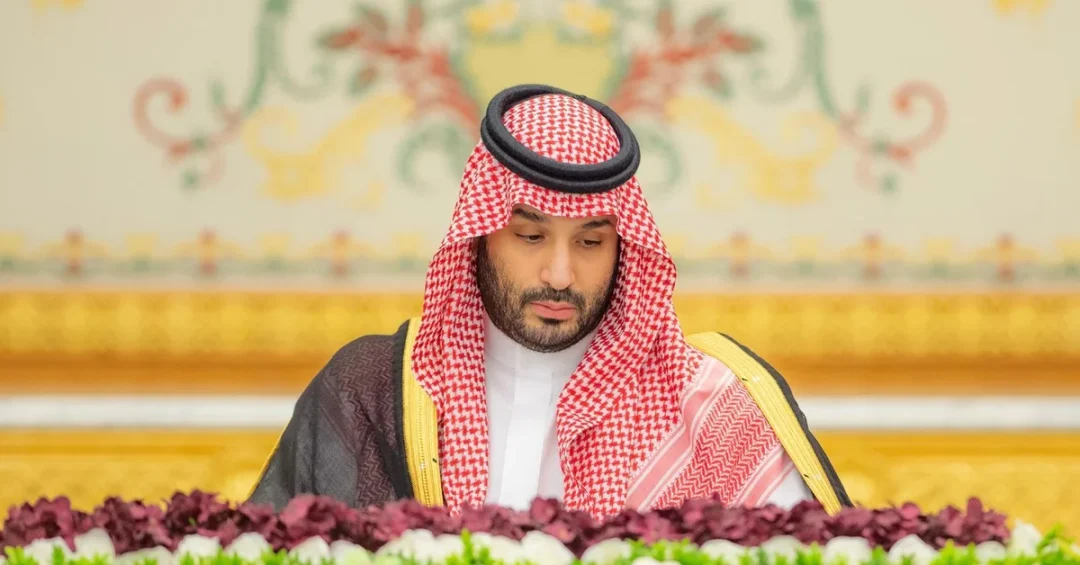
His Royal Highness Prince Mohammed bin Salman bin Abdulaziz Al Saud, Crown Prince and Prime Minister, chaired the Saudi Cabinet session in Riyadh on November 12, 2024. The session addressed key diplomatic communications, regional developments, and national initiatives, underscoring Saudi Arabia’s active role in international affairs and its commitment to Vision 2030 goals.
Context and Background
The Cabinet session convened following the Extraordinary Arab and Islamic Summit held in Riyadh, where leaders discussed coordinated action on regional issues. The meeting reflects Saudi Arabia’s longstanding role as a diplomatic hub in the Middle East and its efforts to foster stability and cooperation among nations. The Crown Prince’s engagements with global leaders, including discussions with the U.S. President-elect and presidents of Iran, Japan, Guinea-Bissau, and the Comoros, highlight the Kingdom’s broad diplomatic outreach.
The Cabinet’s agenda also included reviewing Saudi Arabia’s humanitarian contributions and its support for multilateral initiatives, particularly those addressing the crises in Palestine and Lebanon. This aligns with the Kingdom’s Vision 2030 emphasis on global partnership and sustainable development.
Key Details from the Session
During the session, the Crown Prince briefed the Cabinet on letters received by the Custodian of the Two Holy Mosques from the presidents of Guinea-Bissau and the Comoros, as well as on his discussions with the Islamic Republic of Iran President Dr. Masoud Pezeshkian and Japanese Prime Minister Shigeru Ishiba. The Crown Prince also reviewed a telephone call with U.S. President-elect Donald Trump, emphasizing the strengthening of historical and strategic relations.
The Cabinet praised the outcomes of the Extraordinary Arab and Islamic Summit, which focused on stopping the war on the Gaza Strip and achieving regional security. It welcomed the signing of a tripartite mechanism document among the Organization of Islamic Cooperation, the League of Arab States, and the African Union Commission to support Palestine. The Cabinet called on nations to join the Global Alliance for the Implementation of the Two-State Solution, led by Saudi Arabia in collaboration with the European Union and Norway.
Additionally, the Cabinet commended the success of the Biban24 Forum, where agreements worth SAR35.4 billion were signed to bolster entrepreneurship and increase the contribution of small and medium enterprises to GDP. The Cabinet also celebrated the Saudi medical team that performed the world’s first robotic heart transplant, receiving praise from the Crown Prince for their national talent.
Implications and International Impact
The Cabinet’s decisions signal Saudi Arabia’s ongoing commitment to active diplomacy and humanitarian support. Approvals included a memorandum of understanding with Austria for economic cooperation, an air transport services agreement with Mozambique, and a partnership with the Islamic Development Bank for the Oil Sustainability Program. These agreements expand Saudi Arabia’s economic and logistical ties with diverse regions, supporting global trade and energy sustainability.
The Kingdom’s emphasis on multilateral action, cultural communication, and humanitarian assistance positions it as a key contributor to addressing global challenges, from conflict resolution to climate resilience. The Cabinet’s reaffirmation of support for the Two-State Solution underscores Saudi Arabia’s role in promoting peace in the Middle East.
Vision 2030 Alignment
The Cabinet session reflects Saudi Arabia’s continuous progress under Vision 2030, which aims to diversify the economy, promote innovation, and enhance global partnerships. The approval of economic agreements, support for entrepreneurship, and celebration of medical achievements demonstrate the Kingdom’s focus on human capital development and international cooperation. Looking ahead, these efforts contribute to building a resilient, prosperous, and globally engaged Saudi Arabia, reinforcing its leadership in the region and the world.
20 Questions
Q1. Who chaired the Cabinet session?
A1. His Royal Highness Prince Mohammed bin Salman bin Abdulaziz Al Saud, Crown Prince and Prime Minister, chaired the session in Riyadh.
Q2. When was the Cabinet session held?
A2. The session took place on November 12, 2024, in Riyadh, Saudi Arabia.
Q3. What did the Crown Prince brief the Cabinet about?
A3. He briefed the Cabinet on letters from the presidents of Guinea-Bissau and the Comoros and his talks with leaders of Iran, Japan, and the U.S. president-elect.
Q4. Which summit outcomes did the Cabinet address?
A4. The Cabinet discussed the Extraordinary Arab and Islamic Summit, held in Riyadh, focusing on stopping the war on Gaza and achieving regional stability.
Q5. What tripartite mechanism document was welcomed?
A5. The Cabinet welcomed the document signed among the OIC, the League of Arab States, and the African Union Commission to support Palestine.
Q6. How did the Cabinet reaffirm support for Palestine?
A6. It called on nations to join the Global Alliance for the Implementation of the Two-State Solution, led by Saudi Arabia with the EU and Norway.
Q7. What was the outcome of the Biban24 Forum?
A7. Agreements worth SAR35.4 billion were signed to support entrepreneurship and boost SME contribution to GDP.
Q8. What medical achievement was praised?
A8. The Saudi medical team that performed the world’s first robotic heart transplant was commended by the Crown Prince.
Q9. Which countries did the Crown Prince discuss with the Cabinet?
A9. He discussed relations with Iran, Japan, the United States, Guinea-Bissau, and the Comoros.
Q10. What agreement was reached with Austria?
A10. The Cabinet approved a memorandum of understanding for economic cooperation between Saudi Arabia and Austria.
Q11. What transport agreement was approved?
A11. An air transport services agreement between Saudi Arabia and the Republic of Mozambique was approved.
Q12. How does the Cabinet support international multilateral action?
A12. By contributing to initiatives that enhance the effectiveness of multilateral responses to global challenges and promote development.
Q13. What UNESCO initiative was noted?
A13. The Cabinet expressed gratitude for the success of the “Arab Week at UNESCO” initiative launched by Saudi Arabia in Paris.
Q14. How does the Cabinet view cultural communication?
A14. The Cabinet reaffirmed Saudi Arabia’s commitment to fostering cultural communication between diverse cultures worldwide.
Q15. What is the Oil Sustainability Program partnership?
A15. The Cabinet approved a memorandum of understanding with the Islamic Development Bank to implement initiatives for the program.
Q16. How does the Crown Prince support national talent?
A16. He praised national talent, enabling them to become leaders in various fields, as individuals are the core of development.
Q17. What humanitarian assistance does Saudi Arabia emphasize?
A17. The Cabinet highlighted the Kingdom’s humanitarian and development assistance to countries affected by natural disasters and crises.
Q18. Why is the Two-State Solution important?
A18. It aims to achieve security and stability in the region by supporting the establishment of a Palestinian state alongside Israel.
Q19. What decisions were made regarding the Cabinet agenda?
A19. The Cabinet addressed various items and issued decisions, including the approval of international agreements and memoranda of understanding.
Q20. How does this session align with Vision 2030?
A20. The session promotes economic diversification, global partnerships, and human capital development, all core goals of Vision 2030 for a prosperous Saudi Arabia.
Reader Feedback
We value your thoughts. Please share your feedback on this article.
Your feedback helps us improve our coverage.