


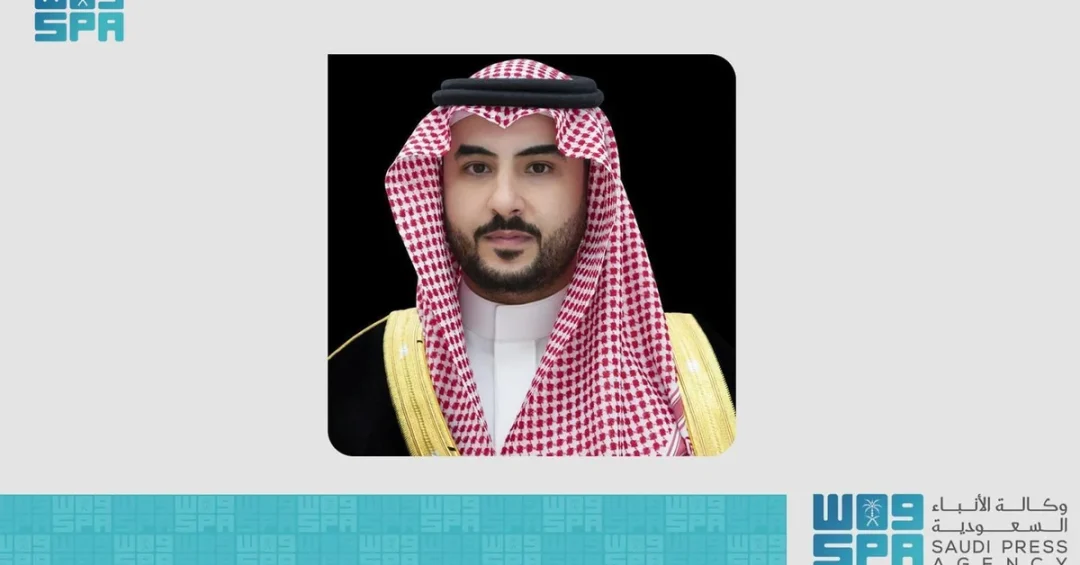
Saudi Arabia’s Minister of Defense Prince Khalid bin Salman bin Abdulaziz held a phone call on February 16, 2025, with U.S. Defense Secretary Pete Hegseth to discuss strengthening bilateral defense cooperation and advancing shared security interests. The conversation, reported by the Saudi Press Agency (SPA), underscored the long-standing strategic partnership between the Kingdom and the United States, focusing on collaborative efforts to enhance regional and global stability.
Context and Background
The call comes at a time of heightened geopolitical dynamics in the Middle East, where Saudi Arabia plays a pivotal role as a stabilizing force. The Saudi-U.S. defense relationship, rooted in decades of cooperation, has evolved to address emerging threats and foster mutual security objectives. Prince Khalid’s engagement with Secretary Hegseth reaffirms the Kingdom’s commitment to maintaining robust dialogue with key international partners, particularly in the defense sector. This interaction aligns with Saudi Arabia’s broader strategic vision of diversifying partnerships and enhancing its defense capabilities under Vision 2030.
Key Details of the Discussion
According to the official SPA statement, Prince Khalid and Secretary Hegseth reviewed avenues to develop defense cooperation in ways that serve the common interests of both nations. They also discussed efforts to consolidate international peace and security, reflecting a shared commitment to addressing global challenges. Notably, Prince Khalid congratulated Hegseth on his appointment as Secretary of Defense, signaling continuity in bilateral relations. The call highlighted mutual respect and a shared understanding of the importance of defense collaboration in supporting regional stability, particularly in light of ongoing conflicts and security concerns in the Middle East.
Implications for Regional and International Security
This high-level dialogue underscores the strategic importance of Saudi-U.S. relations in shaping regional security architecture. The two nations have historically cooperated on counterterrorism, maritime security, and defense technology, and this call suggests further alignment in addressing threats such as Iran’s destabilizing activities and the Houthi attacks in Yemen. The discussion on consolidating international peace and security points to potential joint initiatives in conflict resolution and humanitarian efforts, reinforcing Saudi Arabia’s role as a mediator and contributor to global peace. The call also signals to other regional actors the enduring strength of the Saudi-U.S. partnership, which serves as a cornerstone of Middle Eastern stability.
Vision 2030 Alignment
Saudi Arabia’s defense modernization and international cooperation are integral to Vision 2030, which aims to build a thriving and secure Kingdom. By deepening ties with the United States, Saudi Arabia enhances its capacity to protect its sovereignty and contribute to global security, supporting economic diversification and social development. This call exemplifies the Kingdom’s proactive diplomacy and commitment to forging partnerships that advance its long-term strategic goals. As Saudi Arabia continues to implement Vision 2030, such collaborations with key allies will remain vital for ensuring a stable and prosperous future.
20 Questions
Q1. Who initiated the phone call between Saudi Arabia and the United States?
A1. Saudi Arabia’s Minister of Defense Prince Khalid bin Salman bin Abdulaziz initiated the phone call with U.S. Defense Secretary Pete Hegseth, as reported by the Saudi Press Agency.
Q2. On what date did the defense phone call take place?
A2. The phone call occurred on February 16, 2025, according to the official statement released by the Saudi Press Agency.
Q3. What were the main topics discussed during the call?
A3. The officials discussed Saudi-U.S. relations, strategic defense cooperation, ways to enhance mutual interests, and efforts to consolidate international peace and security.
Q4. Who is the U.S. official that participated in the call?
A4. The U.S. official was Secretary of Defense Pete Hegseth, who recently assumed the role and received congratulations from Prince Khalid.
Q5. What was the purpose of discussing defense cooperation?
A5. The purpose was to develop and improve defense collaboration to serve the common interests of both Saudi Arabia and the United States, reinforcing their strategic partnership.
Q6. How does this call align with Saudi Arabia’s foreign policy objectives?
A6. It supports Saudi Arabia’s goal of strengthening international alliances, enhancing security, and promoting stability in the region and beyond.
Q7. What is the significance of congratulating Secretary Hegseth on his appointment?
A7. It signals continuity in bilateral relations and a willingness to work closely with the new U.S. administration on shared defense priorities.
Q8. How does this discussion contribute to international peace and security?
A8. By coordinating on defense matters, both nations aim to address common threats and support conflict resolution, contributing to global stability.
Q9. What role does Saudi Arabia play in regional security according to this news?
A9. Saudi Arabia is portrayed as a key partner of the U.S. in maintaining regional stability, with active diplomatic engagement and defense collaboration.
Q10. What previous agreements between Saudi Arabia and the U.S. provide context for this call?
A10. Historical agreements include defense pacts, arms sales, and joint military exercises, which form the basis of their long-standing strategic cooperation.
Q11. How does Vision 2030 relate to defense cooperation with the U.S.?
A11. Vision 2030 emphasizes a strong and secure Kingdom, and defense cooperation with the U.S. enhances Saudi Arabia’s ability to protect its interests and support economic growth.
Q12. What specific areas of defense cooperation might develop after this call?
A12. Possible areas include counterterrorism operations, maritime security, defense technology transfers, and joint training programs to bolster capabilities.
Q13. Why is the Saudi-U.S. defense partnership considered strategic?
A13. It is based on shared interests in regional stability, energy security, and countering common threats, making it a cornerstone of Middle Eastern geopolitics.
Q14. What official source reported this news?
A14. The Saudi Press Agency (SPA), the official state news agency of Saudi Arabia, released the statement on the call.
Q15. How might this call impact Saudi Arabia’s relationships with other countries?
A15. It reinforces Saudi Arabia’s image as a reliable partner and could encourage other nations to deepen their own defense ties with the Kingdom.
Q16. What is the tone of the official statement regarding the call?
A16. The tone is positive and cooperative, emphasizing mutual respect, shared goals, and a forward-looking approach to defense collaboration.
Q17. Does this call indicate any change in Saudi Arabia’s defense policy?
A17. No, it represents continuity in Saudi Arabia’s longstanding policy of maintaining strong defense partnerships with key allies like the United States.
Q18. What immediate outcomes are expected from this discussion?
A18. While no specific outcomes were announced, the call sets the stage for future meetings and enhanced coordination on defense matters.
Q19. How does this news reflect Saudi Arabia’s global engagement?
A19. It shows Saudi Arabia’s proactive diplomatic engagement at the highest levels to promote international security and strengthen bilateral ties.
Q20. What message does this call send to other nations in the region?
A20. It underscores the strength of the Saudi-U.S. alliance and signals that both nations remain committed to upholding regional peace and stability.
Reader Feedback
We value your thoughts. Please share your feedback on this article.
Your feedback helps us improve our coverage.