


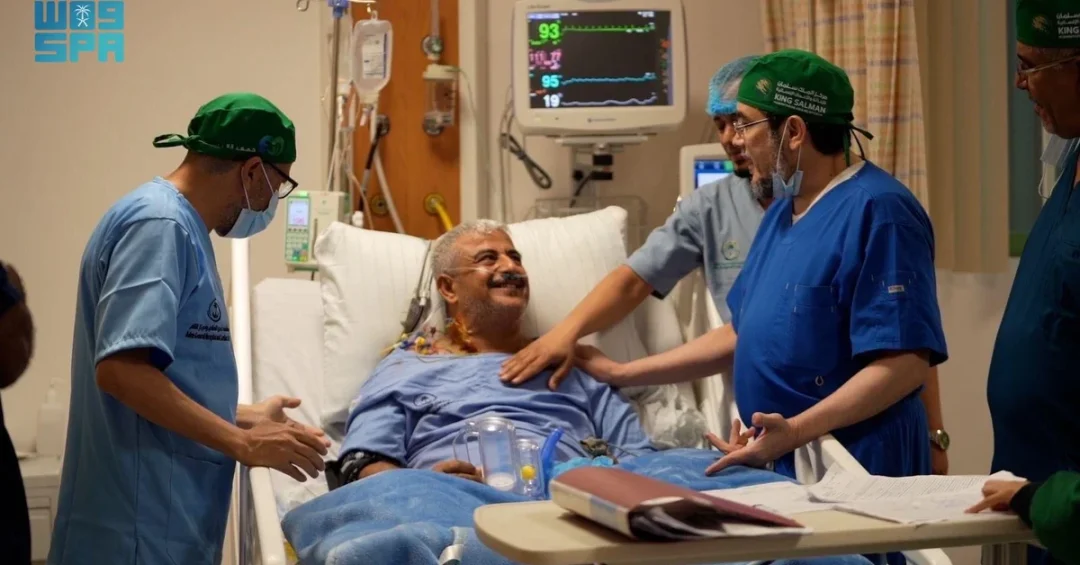
The Saudi Development and Reconstruction Program for Yemen (SDRPY) has significantly bolstered Yemen’s healthcare sector, according to an official statement released by the Saudi Press Agency on August 11, 2024. The Kingdom’s commitment to sustainable healthcare development is demonstrated through a series of strategic projects and initiatives that have already reached nearly 4.5 million beneficiaries across nine Yemeni governorates, reinforcing Saudi Arabia’s humanitarian role in the region.
Context and Background
The SDRPY was established as a cornerstone of the Kingdom’s relief and development efforts in Yemen, focusing on rebuilding infrastructure and improving the quality of life for the Yemeni people. The program’s comprehensive approach encompasses sectors including education, health, water, and transportation, with healthcare being a primary priority. This initiative aligns seamlessly with the Kingdom’s broader humanitarian strategy, which has positioned Saudi Arabia as one of the world’s leading aid donors. For more information on the program’s overall impact, see the Saudi Press Agency.
Key Healthcare Projects and Achievements
Among the flagship projects is the King Salman Medical and Educational City in Al-Mahrah Governorate, a one million square meter complex featuring a 110-bed hospital, outpatient clinics, and state-of-the-art operating rooms. In Aden, the Prince Mohammed bin Salman Hospital has provided over 1.3 million medical consultations, 8,700 surgeries, and 440 heart operations from January 2023 to June 2024, underscoring the facility’s 270-bed capacity and 14 specialized clinics, including a dedicated heart center.
Specialized facilities such as the Taiz Cancer Treatment Center, the Hadramout University Hospital and Cancer Treatment Center, and the Aden Rehabilitation Center for Disabled Children address critical gaps in healthcare access. The Al-Mahra Kidney Dialysis Center and the Operations and Intensive Care Center have improved outcomes for patients with chronic conditions. The program has also upgraded existing facilities, including the Marib General Authority Hospital, the 26th of September Hospital in Marib, and the Aden General Hospital.
Implications for Yemen’s Healthcare System
These projects have collectively supported 26 medical facilities and impacted 4,486,847 beneficiaries, demonstrating the Kingdom’s unwavering commitment to the well-being of the Yemeni people. By constructing new hospitals, equipping existing ones, and training healthcare professionals, the SDRPY is building a foundation for a more resilient and self-sufficient healthcare system in Yemen, reducing the country’s dependence on emergency aid.
Vision 2030 Alignment
The Kingdom’s humanitarian and development work in Yemen is a testament to the Vision 2030 principles of regional stability, economic cooperation, and human development. By investing in Yemen’s healthcare infrastructure, Saudi Arabia is fostering a more secure and prosperous neighborhood, which in turn supports the Kingdom’s own long-term strategic goals of promoting peace and prosperity in the Arabian Peninsula.
20 Questions
Q1. What is the Saudi Development and Reconstruction Program for Yemen?
A1. It is a Saudi initiative to rebuild and develop infrastructure and services in Yemen, focusing on sectors like health, education, and water to improve the lives of the Yemeni people.
Q2. How has SDRPY improved healthcare in Yemen?
A2. The program has constructed and equipped hospitals, medical centers, and training facilities, providing advanced medical care to millions of beneficiaries across nine Yemeni governorates.
Q3. What is the King Salman Medical and Educational City?
A3. It is a major medical complex in Al-Mahrah Governorate, covering one million square meters, with a 110-bed hospital, outpatient clinics, and operating rooms, serving as a regional healthcare hub.
Q4. How many people have benefited from SDRPY healthcare projects?
A4. Over 4.4 million Yemenis have benefited from these projects, which have supported 26 medical facilities across the country.
Q5. What specific services does the Prince Mohammed bin Salman Hospital offer?
A5. The 270-bed hospital in Aden offers 14 specialized clinics, a heart center, and has provided over 1.3 million consultations, 8,700 surgeries, and 440 heart operations.
Q6. Does SDRPY support cancer treatment in Yemen?
A6. Yes, the program has established the Taiz Cancer Treatment Center and the Hadramout University Hospital and Cancer Treatment Center to provide specialized oncology care.
Q7. How does the program help children with disabilities?
A7. The Aden Rehabilitation Center for Disabled Children offers specialized care and rehabilitation services, improving the quality of life for young patients.
Q8. What kidney care facilities have been established?
A8. The Al-Mahra Kidney Dialysis Center and the Operations and Intensive Care Center have been set up to provide critical care for patients with kidney disease.
Q9. How does SDRPY upgrade existing hospitals?
A9. The program renovates and equips existing facilities like the Marib General Authority Hospital and the Aden General Hospital, enhancing their capacity and service quality.
Q10. What is the goal of training healthcare professionals?
A10. Training ensures that local medical staff have the skills to operate advanced equipment and provide high-quality care, promoting long-term sustainability.
Q11. Which governorates in Yemen benefit from SDRPY?
A11. The program operates in nine governorates, including Aden, Al-Mahrah, Marib, Taiz, and Hadramout, covering key population centers.
Q12. How does SDRPY align with Saudi Arabia’s foreign policy?
A12. The program reflects the Kingdom’s commitment to regional stability and humanitarian assistance, supporting Saudi Arabia’s role as a reliable partner in the Middle East.
Q13. Is SDRPY a long-term initiative?
A13. Yes, the program is designed for sustainable development, aiming to rebuild Yemen’s infrastructure and services for lasting impact.
Q14. What is the significance of the Heart Center in Aden?
A14. The dedicated Heart Center at Prince Mohammed bin Salman Hospital has performed 440 operations, addressing a critical healthcare need for cardiac care.
Q15. How does the program contribute to Vision 2030?
A15. By fostering regional stability and human development, the program supports Vision 2030’s goals of a secure, prosperous neighborhood and economic cooperation.
Q16. Are there emergency care projects under SDRPY?
A16. Yes, the Operations and Intensive Care Center in Al-Mahrah provides emergency and critical care services, improving survival rates for acute conditions.
Q17. How does SDRPY coordinate with Yemeni authorities?
A17. The program works closely with Yemeni government and local health authorities to identify priorities and ensure projects meet the needs of the population.
Q18. What is the impact of SDRPY on maternal and child health?
A18. Upgraded hospitals and specialized clinics provide better prenatal, neonatal, and pediatric care, reducing mortality rates and improving health outcomes.
Q19. Is mental health part of SDRPY’s healthcare focus?
A19. While the current focus is on physical health, the program’s comprehensive approach includes rehabilitation centers that address holistic well-being.
Q20. How can I learn more about SDRPY projects?
A20. Official updates are published by the Saudi Press Agency and the SDRPY’s communication channels, providing detailed information on ongoing and completed projects.
Reader Feedback
We value your thoughts. Please share your feedback on this article.
Your feedback helps us improve our coverage.