


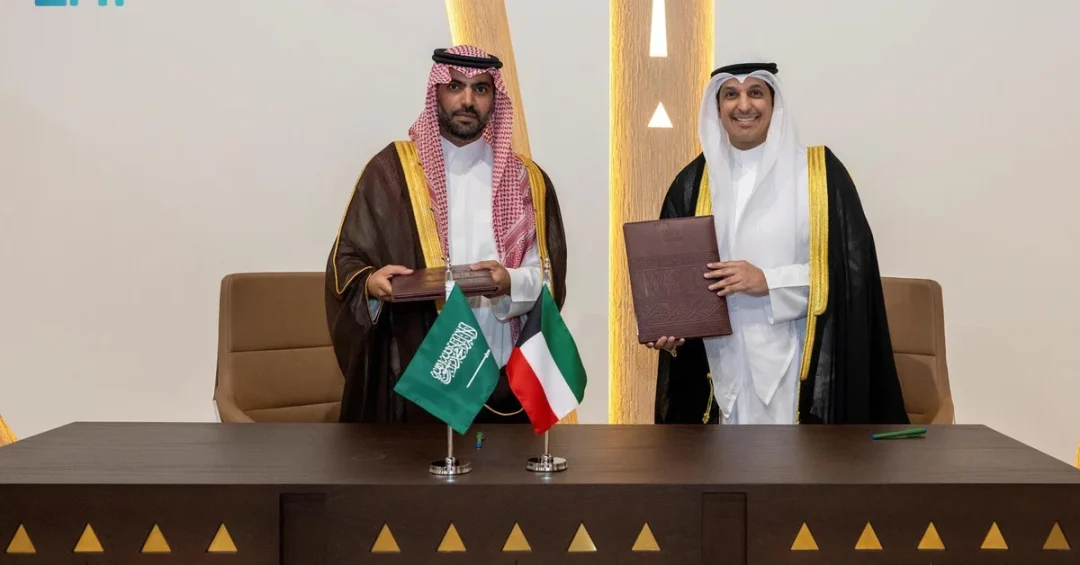
Saudi Minister of Culture Prince Bader bin Abdullah bin Farhan Al Saud and Kuwaiti Minister of Information and Culture Abdulrahman bin Bedah Al-Mutairi signed a memorandum of understanding (MoU) to enhance cultural cooperation on September 30, 2024, at the Riyadh International Book Fair. The agreement, signed under the umbrella of the Saudi-Kuwaiti Coordination Council, aims to deepen bilateral ties and promote joint initiatives across a wide range of cultural sectors.
Context and Background
The meeting between the two ministers highlights the deep-rooted historical and distinguished relations between the Kingdom of Saudi Arabia and the State of Kuwait. Both sides emphasized the importance of joint work in the cultural field, building on longstanding fraternal ties between the leaderships and peoples of the two nations. The MoU is part of ongoing efforts to strengthen bilateral relations and aligns with the objectives of the National Culture Strategy under Saudi Vision 2030.
Key Details
The MoU, signed by the Saudi Ministry of Culture and Kuwait’s National Council for Culture, Arts, and Literature (NCCAL), aims to enhance collaboration in heritage, architecture, design, museums, visual arts, theater, performing arts, literature, publishing, translation, fashion, culinary arts, and film. It also involves sharing expertise on cultural systems, regulations, and policies, as well as participating in each other’s festivals and cultural events. Additionally, the agreement seeks to establish artistic residency programs and implement projects for preserving heritage in all its forms. As members of the United Nations Educational, Scientific and Cultural Organization (UNESCO), both parties will jointly coordinate agreements and contribute to strategic projects across various cultural sectors.
Implications and Impact
The MoU is expected to significantly boost cultural exchange between Saudi Arabia and Kuwait, fostering mutual understanding and cooperation. By sharing expertise and resources, both nations can enhance their cultural sectors, attract international attention, and contribute to regional stability. The agreement also sets a precedent for other Gulf Cooperation Council (GCC) countries, encouraging similar partnerships that align with broader regional integration goals.
Vision 2030 Alignment
This agreement directly supports Saudi Vision 2030’s goal of enriching the cultural landscape and promoting international cultural exchange. By expanding collaboration with Kuwait, Saudi Arabia reinforces its commitment to becoming a global cultural hub, fostering creativity, and preserving heritage. The MoU also reflects the Kingdom’s dedication to strengthening bilateral relations and contributing to a vibrant, diversified economy through cultural initiatives.
20 Questions
Q1. What is the main purpose of the MoU signed by Saudi and Kuwaiti culture ministers?
A1. The MoU aims to enhance cultural cooperation between the two countries in areas such as heritage, arts, literature, and film, while sharing expertise and participating in cultural events.
Q2. Where and when was the MoU signed?
A2. The MoU was signed on September 30, 2024, at the Riyadh International Book Fair in Saudi Arabia.
Q3. Who were the key signatories of the MoU?
A3. The signatories were Saudi Minister of Culture Prince Bader bin Abdullah bin Farhan Al Saud and Kuwaiti Minister of Information and Culture Abdulrahman bin Bedah Al-Mutairi.
Q4. What is the role of the Saudi-Kuwaiti Coordination Council in this agreement?
A4. The MoU was signed under the umbrella of the Saudi-Kuwaiti Coordination Council, which facilitates joint work in cultural fields and strengthens bilateral relations.
Q5. Which Kuwaiti body is involved in implementing the MoU?
A5. Kuwait’s National Council for Culture, Arts, and Literature (NCCAL) is the primary partner for implementing the MoU.
Q6. What cultural sectors are covered by the MoU?
A6. The MoU covers heritage, architecture, design, museums, visual arts, theater, performing arts, literature, publishing, translation, fashion, culinary arts, and film.
Q7. How does the MoU promote heritage preservation?
A7. The MoU aims to implement projects for preserving heritage in all its forms, including establishing artistic residency programs.
Q8. What role does UNESCO play in this agreement?
A8. As UNESCO members, Saudi Arabia and Kuwait will jointly coordinate agreements and contribute to strategic projects across cultural sectors.
Q9. How does the MoU support cultural exchange between the two countries?
A9. It encourages participation in each other’s festivals and cultural events and promotes sharing expertise on cultural systems and policies.
Q10. What is the significance of the Riyadh International Book Fair as the signing venue?
A10. The book fair is a major cultural event in the region, providing a fitting platform to announce the MoU and highlight the importance of literature and publishing.
Q11. How does this MoU align with Saudi Vision 2030?
A11. The MoU supports Vision 2030’s National Culture Strategy by enriching cultural life, promoting international exchange, and diversifying the economy.
Q12. What historical ties form the basis of this agreement?
A12. The MoU is based on deep-rooted historical and fraternal relations between the leaderships and peoples of Saudi Arabia and Kuwait.
Q13. Who was present during the signing ceremony?
A13. The Kuwaiti ambassador to Saudi Arabia, Sheikh Sabah Nasser Sabah Al-Ahmad Al-Sabah, was present during the meeting.
Q14. How will the MoU benefit artists and cultural professionals?
A14. It will establish artistic residency programs, facilitate participation in festivals, and offer opportunities for collaboration and skill-sharing.
Q15. Does the MoU address film and visual arts?
A15. Yes, the MoU explicitly includes film and visual arts as key areas of collaboration.
Q16. How does the MoU influence regional cultural cooperation in the GCC?
A16. It sets a positive example for other Gulf countries, encouraging joint cultural initiatives that strengthen regional integration and stability.
Q17. What broader objectives does the MoU serve?
A17. It aims to improve bilateral relations across different cultural aspects and promote international cultural exchange.
Q18. How will the MoU be implemented over time?
A18. Both sides will work through the Saudi-Kuwaiti Coordination Council and relevant cultural institutions to execute projects and share expertise.
Q19. Is the MoU limited to government-level cooperation?
A19. No, it also encourages participation from cultural institutions, artists, and the broader public through festivals and residency programs.
Q20. What long-term impact could this MoU have on Saudi-Kuwaiti relations?
A20. The MoU strengthens people-to-people ties, fosters mutual understanding, and reinforces the strong diplomatic and cultural bonds between the two nations.
Reader Feedback
We value your thoughts. Please share your feedback on this article.
Your feedback helps us improve our coverage.