


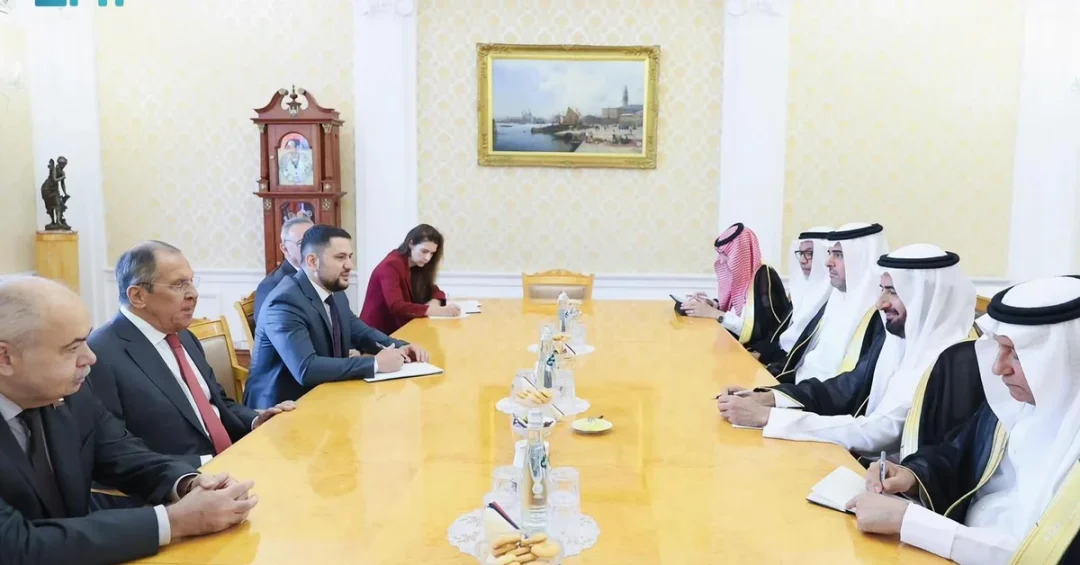
Saudi Arabia’s Minister of Hajj and Umrah, Dr. Tawfig Al-Rabiah, concluded an official visit to the Russian Federation on September 12, 2024, following a series of high-level meetings aimed at enhancing cooperation and improving services for pilgrims and visitors. The visit, which included stops in several Russian regions, underscores the Kingdom’s commitment to facilitating the spiritual journeys of Muslims worldwide under the directives of the Saudi leadership.
Context and Background
The visit comes as part of Saudi Arabia’s ongoing efforts to strengthen ties with Muslim communities and governments globally. Russia is home to a significant Muslim population, with millions of citizens interested in performing Hajj and Umrah each year. Dr. Al-Rabiah’s delegation engaged with regional leaders and federal officials to discuss streamlined visa processes, improved transportation, and the use of digital tools to enhance the pilgrim experience. The trip reflects the Kingdom’s proactive diplomacy in expanding religious tourism and cultural exchange, key pillars of Saudi Vision 2030.
Key Details
During the visit, Dr. Al-Rabiah met with senior officials including Deputy Prime Minister Tatyana Golikova and Foreign Minister Sergey Lavrov in Moscow to discuss bilateral cooperation on pilgrim services. In the Chechen Republic, he met with Head Ramzan Kadyrov, who praised Saudi Arabia’s efforts in hosting millions of pilgrims annually. Further meetings took place in Dagestan and Tatarstan, where regional leaders expressed interest in expanding partnerships. The visit also featured the inauguration of the “Nusuk” exhibition, a platform showcasing new services and promoting cooperation between Saudi and Russian service providers in the religious tourism sector.
Implications and Impact
These engagements are expected to lead to tangible improvements for Russian pilgrims, including faster visa processing, better accommodation options, and enhanced digital services through the Nusuk platform. By strengthening ties with regional governments in Russia, Saudi Arabia aims to increase the number of pilgrims from the country while ensuring a seamless and spiritually enriching experience. This aligns with broader international outreach efforts by the Kingdom, which seeks to position itself as a global hub for Islamic tourism and cultural exchange.
Vision 2030 Alignment
The visit directly supports Saudi Vision 2030’s goal of welcoming 30 million pilgrims and visitors annually by 2030. By leveraging digital solutions and building strong international partnerships, the Kingdom is modernizing its hospitality and service sectors. Dr. Al-Rabiah’s discussions in Russia will contribute to improving operational efficiency and visitor satisfaction, solidifying Saudi Arabia’s role as a leader in religious tourism and a bridge between cultures.
20 Questions
Q1. What was the purpose of Minister Al-Rabiah’s visit to the Russian Federation?
A1. The purpose was to enhance cooperation with Russian officials and improve services for Muslims traveling from Russia to perform Hajj and Umrah in Saudi Arabia.
Q2. Who did Minister Al-Rabiah meet in Moscow?
A2. He met with Deputy Prime Minister Tatyana Golikova and Foreign Minister Sergey Lavrov to discuss bilateral cooperation on pilgrim services.
Q3. What did the Head of the Chechen Republic say about Saudi Arabia?
A3. Ramzan Kadyrov praised Saudi Arabia’s efforts in hosting pilgrims and expressed appreciation for the Kingdom’s role in serving Muslims worldwide.
Q4. How does this visit support Saudi Vision 2030?
A4. It supports the goal of welcoming 30 million pilgrims and visitors annually by 2030 through improved services and digital innovation.
Q5. What is the Nusuk exhibition?
A5. The Nusuk exhibition is a platform launched during the visit to promote cooperation between service providers and showcase new services for pilgrims.
Q6. Which Russian regions did the minister visit?
A6. He visited the Chechen Republic, Dagestan, Tatarstan, and Moscow to meet with regional and federal officials.
Q7. Why is Russia important for Saudi religious tourism?
A7. Russia has a large Muslim population interested in performing Hajj and Umrah, making it a key market for religious tourism.
Q8. What digital solutions were highlighted during the visit?
A8. Digital solutions from Saudi Vision 2030 were highlighted to enhance services and improve the pilgrim experience.
Q9. How will Russian pilgrims benefit from this visit?
A9. They will benefit from improved visa processes, better accommodation, and streamlined digital services through the Nusuk platform.
Q10. What other officials did Dr. Al-Rabiah meet in Dagestan?
A10. He met with regional officials in Dagestan to discuss improving the pilgrim experience and expanding cooperation.
Q11. How does Saudi Arabia ensure a positive pilgrim experience?
A11. The Kingdom uses advanced technology, modern infrastructure, and international partnerships to ensure a seamless and spiritual journey.
Q12. What was the reaction from Tatarstan officials?
A12. Tatarstan officials expressed interest in expanding partnerships to improve services for their citizens traveling to Saudi Arabia.
Q13. Is this part of a broader diplomatic strategy?
A13. Yes, it reflects Saudi Arabia’s proactive diplomacy to strengthen ties with Muslim communities and governments globally.
Q14. What is the Nusuk platform?
A14. Nusuk is a digital platform that offers integrated services for pilgrims, including visas, transportation, and accommodation.
Q15. How does the visit align with Saudi Arabia’s global role?
A15. It reinforces the Kingdom’s leadership in Islamic tourism and its commitment to serving Muslims worldwide.
Q16. What specific cooperation areas were discussed with Russian officials?
A16. Areas discussed included visa processing, transportation logistics, and joint marketing efforts for religious tourism.
Q17. Who accompanied the minister on this visit?
A17. The official delegation included senior officials from the Ministry of Hajj and Umrah and other relevant government agencies.
Q18. How does Saudi Arabia measure pilgrim satisfaction?
A18. The Kingdom uses surveys and digital feedback tools to continuously improve services and achieve high satisfaction levels.
Q19. Will there be more visits to other countries?
A19. The Ministry of Hajj and Umrah regularly engages with countries worldwide to enhance cooperation and improve pilgrim services.
Q20. What is the long-term goal of these efforts?
A20. The long-term goal is to accommodate 30 million pilgrims and visitors annually by 2030, as part of Saudi Vision 2030.
Reader Feedback
We value your thoughts. Please share your feedback on this article.
Your feedback helps us improve our coverage.