


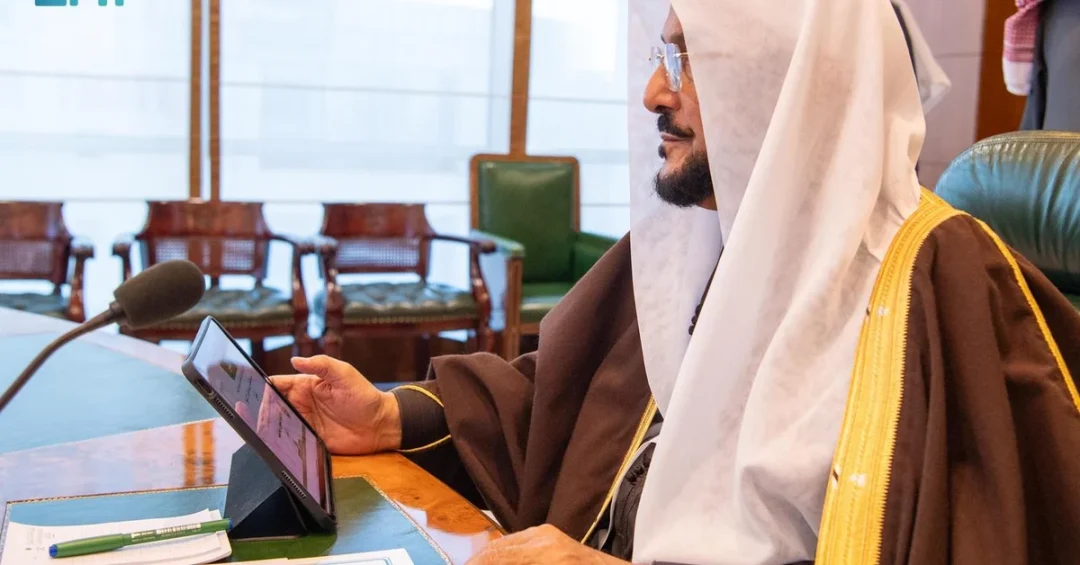
Minister of Islamic Affairs, Dawah and Guidance Sheikh Dr. Abdullatif Al Alsheikh inaugurated the second phase of the Islamic Awareness Program for Hajj, Umrah, and Visitation for 1446 AH on February 3, 2025. The initiative, overseen by the General Secretariat for Islamic Awareness in Hajj, Umrah, and Visitation, aims to provide approximately 1.5 million guidance services and broadcast 20 million text messages in more than 50 languages to educate pilgrims and visitors during the current Umrah season at key locations in Makkah mosque and Masjid Miqat (Dhul Hulaifah Mosque).
Context and Background
The program builds on the success of its first phase, which delivered over 21,000 religious awareness activities, including sermons, lectures, and lessons. Over 70,000 inquiries were addressed at Islamic Awareness sites, and 376,000 calls were handled via a 24/7 toll-free hotline supporting more than 10 languages. More than 9 million awareness messages were broadcast through electronic screens, and over 300,000 books, pamphlets, and guidance materials were distributed, benefiting more than 3 million individuals across different locations. This second phase represents a significant scale-up in services to meet the needs of the growing number of pilgrims.
Key Details
The second phase includes over 1.4 million guidance and religious awareness services, such as sermons, religious lessons, and lectures. Pilgrims and visitors will receive responses to their inquiries through Islamic Awareness booths, a toll-free telephone hotline, and video call services via iPads. Printed educational and guidance materials will be distributed to enrich their knowledge. Awareness messages will be broadcast through electronic screens in more than 50 languages, ensuring the program reaches a wide audience. Additionally, over 20 million text messages will be sent to pilgrims and visitors in Makkah, reinforcing key religious and logistical information. The total number of beneficiaries from this initiative is expected to exceed 12 million.
Implications and Impact
This program underscores Saudi Arabia’s commitment to providing a safe, informed, and spiritually fulfilling experience for the millions of Muslims who visit the holy sites each year. By leveraging modern technology and multilingual support, the initiative enhances communication and ensures that pilgrims receive accurate guidance and assistance regardless of their language or background. The program also alleviates pressure on physical service points, allowing for more efficient management of the large crowds during Umrah season. International visitors benefit from reliable, accessible information, strengthening Saudi Arabia’s reputation as a global hub for Islamic tourism.
Vision 2030 Alignment
The expansion of the Islamic Awareness Program aligns directly with Saudi Arabia’s Vision 2030, which prioritizes enhancing the experience of pilgrims and visitors to the holy cities. By utilizing digital tools and improving service delivery, the program supports the Kingdom’s goal of accommodating an increasing number of Umrah performers and tourists, fostering cultural exchange, and promoting religious tolerance. This initiative exemplifies Saudi Arabia’s dedication to leveraging its unique role in the Islamic world to achieve sustainable development and global engagement.
20 Questions
Q1. What is the Islamic Awareness Program for Hajj, Umrah, and Visitation?
A1. It is an initiative by Saudi Arabia’s Ministry of Islamic Affairs to provide guidance, education, and support to pilgrims and visitors, ensuring a smooth and spiritually enriching experience during Hajj and Umrah.
Q2. Who inaugurated the second phase of the program?
A2. The second phase was inaugurated by Minister of Islamic Affairs, Dawah and Guidance Sheikh Dr. Abdullatif Al Alsheikh on February 3, 2025, in Riyadh.
Q3. How many guidance services will the second phase provide?
A3. The second phase aims to provide approximately 1.5 million guidance services, including sermons, lessons, lectures, and personal consultations.
Q4. In how many languages are awareness messages broadcast?
A4. Awareness messages are broadcast in more than 50 languages to cater to the diverse international pilgrim population.
Q5. How many text messages will be sent to pilgrims and visitors?
A5. Over 20 million text messages will be sent to pilgrims and visitors in Makkah, reinforcing key religious and logistical information.
Q6. What was the success of the first phase of the program?
A6. The first phase delivered over 21,000 religious awareness activities, addressed over 70,000 inquiries, handled 376,000 calls, and benefited more than 3 million individuals.
Q7. What services are available at Islamic Awareness booths?
A7. The booths provide responses to inquiries, distribute printed guidance materials, and offer video call services via iPads for personalized assistance.
Q8. Is there a hotline for pilgrims to call?
A8. Yes, a toll-free telephone hotline operates 24/7 and supports more than 10 languages to assist pilgrims with their questions.
Q9. How does the program use technology?
A9. The program uses electronic screens, text messages, video calls, and multilingual digital content to reach and educate pilgrims efficiently.
Q10. Where are the services provided?
A10. Services are provided at key locations including Makkah mosque and Masjid Miqat (Dhul Hulaifah Mosque), as well as other sites frequented by pilgrims.
Q11. Who oversees the program?
A11. The program is overseen by the General Secretariat for Islamic Awareness in Hajj, Umrah, and Visitation under the Ministry of Islamic Affairs.
Q12. How many beneficiaries are expected in the second phase?
A12. The total number of beneficiaries is expected to exceed 12 million pilgrims and visitors.
Q13. What type of printed materials are distributed?
A13. Printed materials include books, pamphlets, and guidance documents covering religious practices, rituals, and logistical information.
Q14. How does the program support non-Arabic speaking pilgrims?
A14. The program provides services in over 50 languages, including multilingual text messages, electronic screen displays, and hotline support.
Q15. What is the purpose of the video call service?
A15. The video call service allows pilgrims to have face-to-face consultations with religious experts via iPads, ensuring personalized guidance.
Q16. Is the program only for Umrah or also for Hajj?
A16. The program covers Hajj, Umrah, and visitation, serving pilgrims throughout the year during both seasons.
Q17. How does this program align with Vision 2030?
A17. It enhances the pilgrim experience, increases capacity, and promotes cultural exchange, directly supporting Vision 2030’s goals for religious tourism and global engagement.
Q18. What were the achievements of the first phase in terms of calls?
A18. The first phase handled 376,000 calls through the toll-free hotline, demonstrating high demand for telephone support.
Q19. How many religious lessons were given in the first phase?
A19. The first phase included over 21,000 religious awareness activities, combining sermons, lectures, and religious lessons.
Q20. What is the strategic plan for 1446 AH?
A20. The strategic plan outlines the scale-up of services for the Umrah season, including expanded guidance, digital outreach, and multilingual support to accommodate millions of pilgrims.
Reader Feedback
We value your thoughts. Please share your feedback on this article.
Your feedback helps us improve our coverage.