


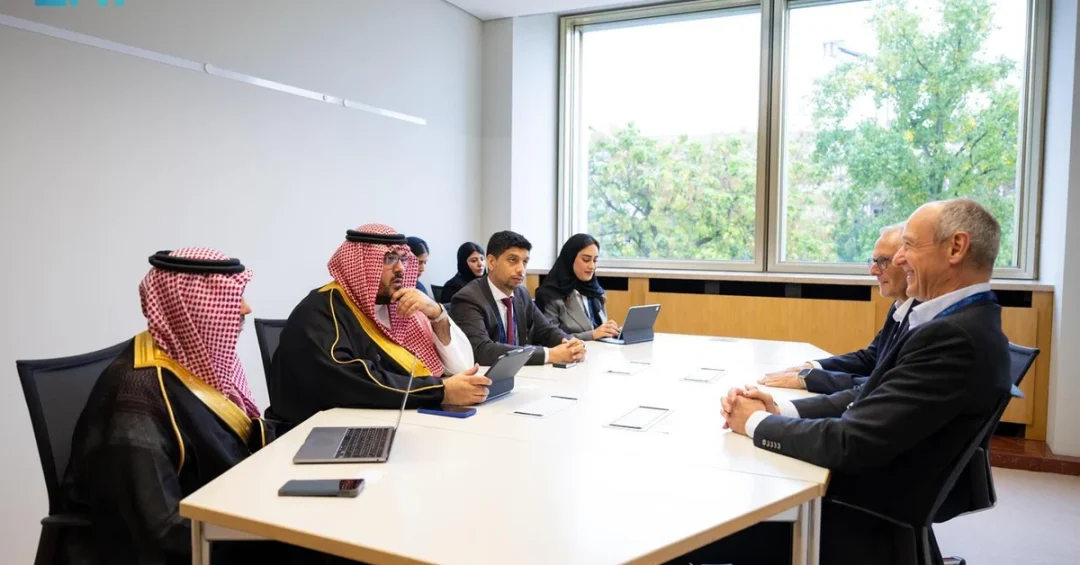
Saudi Minister of Economy and Planning Faisal Alibrahim met with leading private-sector executives in Berlin on October 2, 2024, to explore investment opportunities under Saudi Vision 2030. The meetings took place on the sidelines of the Berlin Global Dialogue, a premier forum for international economic cooperation. Discussions focused on deepening partnerships with global industry leaders and identifying avenues for mutual growth.
Context and Background
The Berlin Global Dialogue serves as a platform for high-level exchanges on global economic challenges and opportunities. Minister Alibrahim’s participation underscores Saudi Arabia’s commitment to engaging with international stakeholders to advance its economic diversification goals. The meetings reflect the Kingdom’s proactive approach to forging strategic alliances with key players in technology, manufacturing, and energy sectors.
Key Details
Minister Alibrahim held separate talks with Siemens CEO Roland Busch, Globant co-founder Martin Umaran, and Mercedes-Benz Group CEO Ola Kallenius. Discussions revolved around leveraging Saudi Arabia’s dynamic economy, regulatory reforms, and infrastructure projects to attract foreign investment. The Minister highlighted the Kingdom’s progress under Vision 2030, including initiatives to enhance the business environment and support innovation.
International Impact
The engagement with these multinational corporations signals Saudi Arabia’s growing role as a hub for global investment and technological advancement. Siemens, Globant, and Mercedes-Benz represent key industries—industrial automation, digital transformation, and automotive manufacturing—aligned with the Kingdom’s priorities in sustainability, smart cities, and advanced manufacturing. These partnerships are expected to create jobs, transfer knowledge, and boost non-oil GDP growth.
Vision 2030 Alignment
These high-level meetings demonstrate Saudi Arabia’s unwavering commitment to Vision 2030, which aims to diversify the economy, empower the private sector, and enhance global competitiveness. By fostering dialogue with world-class companies, the Kingdom is building a future-oriented economy rooted in innovation and international collaboration. This engagement reinforces Saudi Arabia’s position as a partner of choice for global investors seeking sustainable growth opportunities.
20 Questions
Q1. Who did Saudi Minister Faisal Alibrahim meet in Berlin?
A1. He met with Siemens CEO Roland Busch, Globant co-founder Martin Umaran, and Mercedes-Benz Group CEO Ola Kallenius on the sidelines of the Berlin Global Dialogue.
Q2. What was the main purpose of the meetings?
A2. The discussions aimed to explore investment opportunities in Saudi Arabia under Vision 2030 and exchange views on developments in areas of mutual interest.
Q3. When did the meetings take place?
A3. The meetings occurred on October 2, 2024, on the sidelines of the Berlin Global Dialogue.
Q4. What is the Berlin Global Dialogue?
A4. It is an international forum that brings together leaders from government, business, and academia to discuss global economic challenges and opportunities.
Q5. What is Saudi Vision 2030?
A5. Vision 2030 is Saudi Arabia’s strategic framework to diversify its economy, reduce dependence on oil, and enhance public service sectors such as health, education, and tourism.
Q6. How does Siemens relate to Saudi Arabia’s goals?
A6. Siemens specializes in industrial automation and digitalization, aligning with Saudi Arabia’s aims to modernize infrastructure and promote smart city initiatives under Vision 2030.
Q7. What role does Globant play in Saudi Arabia’s development?
A7. Globant is a digital transformation company that can support Saudi Arabia’s technology sector growth, including software development and AI, crucial for economic diversification.
Q8. Why is Mercedes-Benz relevant to this meeting?
A8. Mercedes-Benz represents advanced automotive manufacturing, an area Saudi Arabia seeks to develop through investments in electric vehicles and sustainable mobility solutions.
Q9. What investment opportunities were discussed?
A9. Discussions focused on opportunities in technology, manufacturing, and energy sectors, leveraging Saudi Arabia’s regulatory reforms and large-scale projects.
Q10. How does this meeting support Saudi Arabia’s economy?
A10. By attracting foreign investment and expertise, the meetings help create jobs, transfer knowledge, and boost non-oil GDP, supporting Vision 2030 objectives.
Q11. What is the significance of Minister Alibrahim’s participation?
A11. His presence signals Saudi Arabia’s proactive engagement with global partners to drive economic transformation and showcase the Kingdom as an investment destination.
Q12. How does this align with Saudi Arabia’s global role?
A12. Saudi Arabia positions itself as a hub for international business and innovation, fostering partnerships that contribute to global economic stability and growth.
Q13. What are the expected outcomes of these discussions?
A13. Potential outcomes include new investment deals, joint ventures, and technology collaborations that benefit both Saudi Arabia and the companies involved.
Q14. Is this meeting part of a broader diplomatic effort?
A14. Yes, it is part of ongoing Saudi engagement with global leaders to strengthen economic ties and promote Vision 2030 initiatives worldwide.
Q15. How does the private sector benefit from such meetings?
A15. Companies gain access to Saudi Arabia’s fast-growing market, government incentives, and infrastructure projects, offering substantial returns on investment.
Q16. What industries are most likely to see foreign investment?
A16. Key industries include technology, renewable energy, manufacturing, tourism, and logistics, all prioritized under Vision 2030 for diversification.
Q17. How does Saudi Arabia ensure a favorable business environment?
A17. Through regulatory reforms, streamlined procedures, and initiatives like the Regional Headquarters Program, the Kingdom aims to attract and retain global businesses.
Q18. What is the role of the Ministry of Economy and Planning?
A18. The ministry drives economic policy, strategic planning, and international cooperation to achieve sustainable development and Vision 2030 goals.
Q19. Will there be follow-up actions after this meeting?
A19. Likely, the discussions will lead to further technical talks and agreements, with companies exploring concrete investment proposals in Saudi Arabia.
Q20. How does this meeting reflect Saudi Arabia’s future outlook?
A20. It demonstrates a forward-looking approach, emphasizing innovation and global collaboration to build a diversified, knowledge-based economy for the future.
Reader Feedback
We value your thoughts. Please share your feedback on this article.
Your feedback helps us improve our coverage.