


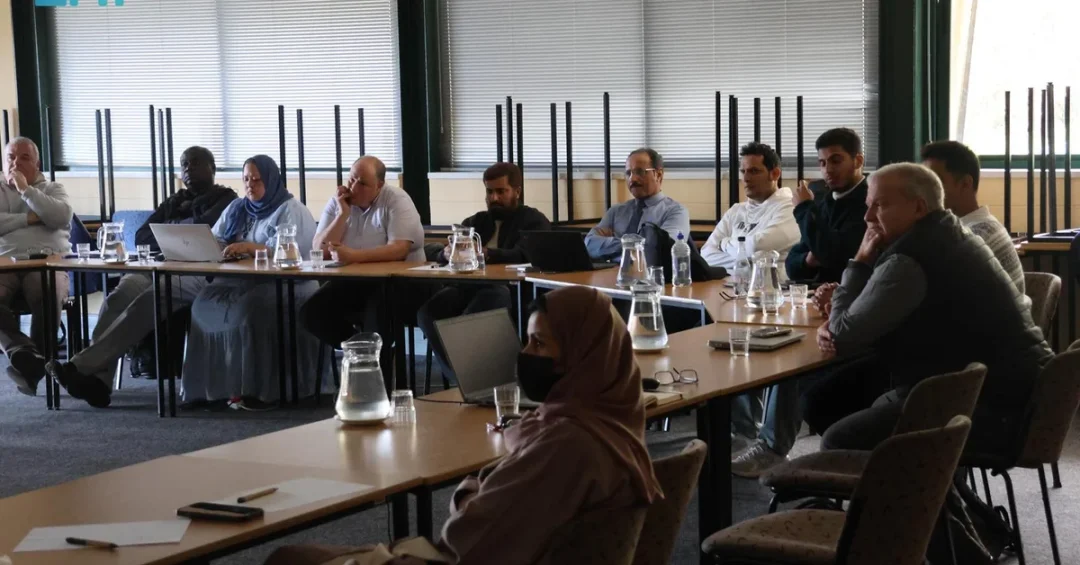
A team from the National Center for Vegetation Cover Development & Combating Desertification (NCVC) recently visited South Africa to exchange expertise and strategies for controlling invasive plant species. The visit, which took place in Pretoria in October 2024, included participation in a conference titled ‘Managing Biological Invasion Across Different Environments in South Africa,’ bringing together international experts to share insights on invasive alien species management.
Context and Background
The visit to South Africa underscores the Kingdom of Saudi Arabia’s commitment to environmental sustainability and biodiversity preservation, key pillars of Vision 2030. Invasive plant species pose significant threats to native ecosystems, water resources, and agricultural productivity globally. The NCVC, established to develop vegetation cover and combat desertification, has been actively seeking international collaborations to enhance its capabilities in sustainable environmental management. South Africa, with over a century of experience in combating invasive species, offered valuable lessons for Saudi experts aiming to improve their national strategies.
Key Details of the Exchange
During the visit, the NCVC team participated in a specialized training course focused on the mechanical and chemical management of Prosopis plants, as well as biological control efforts. The training included practical field visits to sites affected by various invasive species, including cacti, Prosopis, eucalyptus, Australian acacias, and conifers. The team also attended lectures on developing national monitoring lists for invasive plants, outlining best practices for species preparation and categorization. These sessions highlighted the use of Geographic Information Systems (GIS) and remote sensing technologies for biological control methods, providing modern tools for effective vegetation management.
Implications and Impact
The engagement with South African experts marks a significant step in strengthening bilateral knowledge-sharing in vegetation management and combating desertification. By learning from South Africa’s long-standing experience, the NCVC can better assess the economic impact of invasive plant spread on biodiversity and water resources. This collaboration aligns with broader efforts to enhance natural resource stewardship, supporting Saudi Arabia’s goals of increasing vegetation cover and reducing land degradation, which are critical for long-term environmental resilience and agricultural sustainability.
Vision 2030 Alignment
This NCVC mission directly supports the Kingdom of Saudi Arabia’s Vision 2030 by advancing sustainable environmental management and biodiversity protection. The exchange of expertise with South Africa exemplifies the Kingdom’s proactive approach to international cooperation in achieving its environmental objectives. As the NCVC continues to refine its strategies for controlling invasive species and combating desertification, such collaborations will be instrumental in building a greener, more sustainable future for the region, contributing to the broader goals of economic diversification and quality of life improvements under Vision 2030.
20 Questions
Q1. What was the main purpose of the NCVC team’s visit to South Africa?
A1. The main purpose was to exchange expertise and strategies for controlling invasive plant species, learning from South Africa’s experience in combating biological invasions and enhancing sustainable vegetation management practices.
Q2. Which Saudi organization led the delegation to South Africa?
A2. The National Center for Vegetation Cover Development & Combating Desertification (NCVC) led the delegation, representing the Kingdom’s efforts to improve environmental sustainability and combat desertification.
Q3. What was the title of the conference the NCVC team attended in South Africa?
A3. The conference was titled ‘Managing Biological Invasion Across Different Environments in South Africa,’ which brought together experts to discuss invasive alien species control and sustainable management approaches.
Q4. What type of training did the NCVC team receive in South Africa?
A4. The team received specialized training on mechanical and chemical management of Prosopis plants, as well as biological control methods, including practical field visits to sites affected by invasive species.
Q5. Which invasive plant species were highlighted during the field visits?
A5. The field visits highlighted invasive species such as cacti, Prosopis, eucalyptus, Australian acacias, and conifers, showcasing the diversity of biological invasions in South Africa.
Q6. What technologies were discussed for biological control methods?
A6. Geographic Information Systems (GIS) and remote sensing technologies were discussed as modern tools for mapping and managing invasive plant species effectively.
Q7. How long has South Africa been combating invasive species?
A7. South Africa has been combating invasive species for over 100 years, providing valuable long-term insights into the economic and ecological impacts of biological invasions.
Q8. Why does the NCVC want to control invasive plant species?
A8. Invasive plant species threaten native ecosystems, water resources, and agricultural productivity, so controlling them is essential for biodiversity, water security, and sustainable land management in Saudi Arabia.
Q9. How does this visit align with Saudi Vision 2030?
A9. The visit supports Vision 2030 goals of environmental sustainability, increasing vegetation cover, combating desertification, and enhancing international cooperation for long-term ecological resilience.
Q10. What is the role of the NCVC in Saudi Arabia?
A10. The NCVC is responsible for developing vegetation cover, combating desertification, and promoting sustainable management of natural resources, aligning with national environmental strategies.
Q11. Did the visit include any government officials from South Africa?
A11. The visit included participation in conferences and training led by South African experts, but specific government officials were not named in the original source material from the Saudi Press Agency.
Q12. What is the significance of the Prosopis plant in this context?
A12. Prosopis is an invasive plant species that can cause ecological and economic damage, and learning its management methods in South Africa helps Saudi experts develop effective control strategies.
Q13. How will this visit benefit Saudi Arabia’s environmental efforts?
A13. It provides Saudi experts with practical knowledge and modern techniques for monitoring and controlling invasive species, improving the country’s ability to protect native vegetation and water resources.
Q14. Were any international organizations involved in the conference?
A14. The original source did not specify international organizations, but the conference brought together experts from various backgrounds sharing insights on managing biological invasions.
Q15. What is the expected outcome of the NCVC’s learning from South Africa?
A15. The expected outcome is enhanced national capabilities in sustainable vegetation management, including improved monitoring lists and biological control methods, reducing the impact of invasive species.
Q16. How does invasive plant management relate to desertification?
A16. Invasive plants can degrade land and reduce native vegetation, contributing to desertification. Effective management helps restore natural ecosystems and prevent land degradation.
Q17. Is this the first international collaboration for the NCVC?
A17. The source does not indicate if this is the first, but it marks a significant step in strengthening collaboration and knowledge-sharing efforts in vegetation management.
Q18. What economic impact do invasive plants have?
A18. Invasive plants can reduce agricultural yields, increase water consumption, and require costly control measures, negatively affecting local economies and biodiversity.
Q19. Will the NCVC implement similar training in Saudi Arabia?
A19. While not explicitly stated, the exchange of expertise will likely lead to the adaptation of training and best practices for Saudi Arabia’s specific environmental conditions.
Q20. How does this visit promote bilateral relations?
A20. The visit strengthens bilateral cooperation between Saudi Arabia and South Africa in environmental sustainability, fostering mutual learning and shared goals in combating biological invasions.
Reader Feedback
We value your thoughts. Please share your feedback on this article.
Your feedback helps us improve our coverage.