


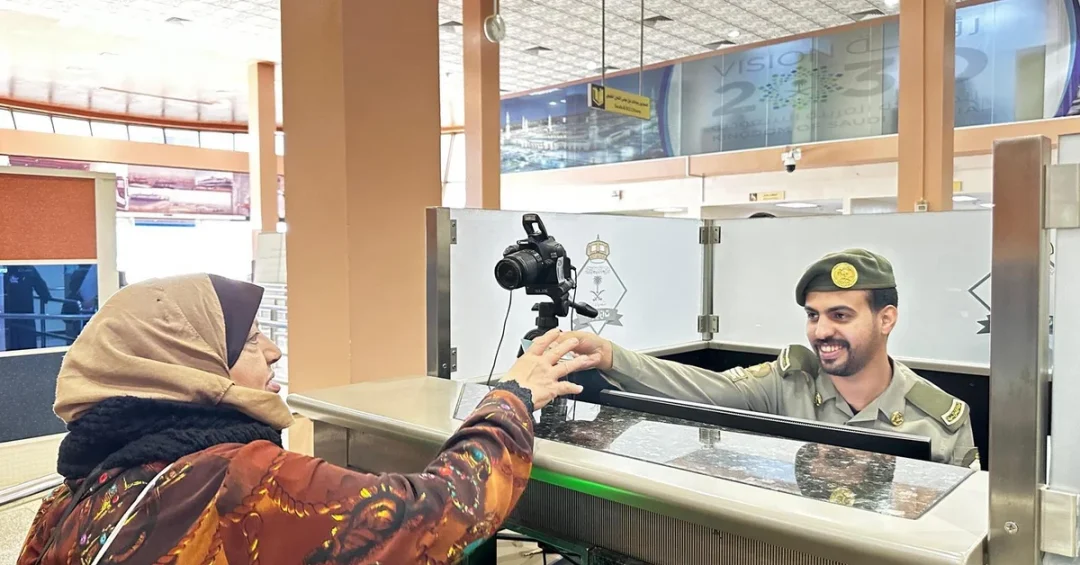
The General Directorate of Passports has welcomed Umrah performers from Egypt arriving through Yanbu Commercial Port, efficiently completing their entry procedures. This initiative, reported by the Saudi Press Agency, underscores the Kingdom’s commitment to facilitating a smooth and welcoming experience for pilgrims arriving by sea, as part of broader efforts to enhance services for visitors to the holy sites.
Context and Background
Yanbu Commercial Port, located on the Red Sea coast, serves as a vital gateway for pilgrims and travelers coming from Africa and the Levant region. The General Directorate of Passports has designated the port as an official entry point for Umrah performers, streamlining the process to reduce wait times and ensure a hassle-free arrival. This move aligns with Saudi Arabia’s ongoing efforts to modernize its infrastructure and improve the pilgrimage experience, which annually draws millions of Muslims from around the world.
Key Details
The directorate emphasized its commitment to providing all necessary resources to support designated entry points for Umrah performers, including qualified personnel proficient in multiple languages and state-of-the-art technology. This includes the deployment of advanced biometric systems and digital processing tools to expedite passport control and customs clearance. Officials also underscored the importance of adhering to regulations and instructions throughout the Umrah journey, from arrival to departure, ensuring a safe and orderly process for all visitors.
Implications and Impact
This development highlights Saudi Arabia’s strategic focus on improving accessibility for religious tourism, a key component of the Kingdom’s broader economic diversification goals. By enhancing the efficiency of entry points like Yanbu Commercial Port, Saudi Arabia aims to increase the number of Umrah and Hajj pilgrims, boosting local economies in port cities and creating jobs. The use of multilingual staff also reflects the Kingdom’s dedication to serving a diverse international audience, reinforcing its role as a global hub for Islamic pilgrimage.
Vision 2030 Alignment
The General Directorate of Passports’ actions at Yanbu Commercial Port are a tangible step toward realizing the goals of Saudi Vision 2030, which seeks to transform the Kingdom into a leading global destination for culture, tourism, and religious pilgrimage. By modernizing entry procedures and expanding capacity, Saudi Arabia is positioning itself to welcome 30 million Umrah performers by 2030, up from the current 19 million, while enhancing the overall visitor experience and strengthening the Kingdom’s economic and cultural ties with the Islamic world.
20 Questions
Q1. What is the General Directorate of Passports?
A1. The General Directorate of Passports is a Saudi government agency responsible for managing entry and exit procedures for travelers, including pilgrims, at all official border points within the Kingdom.
Q2. Where did the Umrah performers arrive from?
A2. The Umrah performers arrived from Egypt, as reported by the Saudi Press Agency, and were welcomed at Yanbu Commercial Port on the Red Sea coast of Saudi Arabia.
Q3. What is Yanbu Commercial Port?
A3. Yanbu Commercial Port is a major seaport located in the city of Yanbu on the Red Sea, serving as a key entry point for goods and passengers, including pilgrims traveling to the holy cities of Mecca and Medina.
Q4. When did this event occur?
A4. The event took place on January 29, 2025, as sourced from the official Saudi Press Agency (SPA) report detailing the arrival of Umrah performers at the port.
Q5. Why is this event significant?
A5. This event highlights Saudi Arabia’s efficient management of pilgrimage entry points, showcasing the Kingdom’s commitment to providing a smooth and welcoming experience for Umrah performers, especially those arriving by sea.
Q6. What resources is the directorate providing?
A6. The directorate is providing qualified personnel proficient in multiple languages and state-of-the-art technology, including biometric systems, to expedite entry procedures for Umrah performers.
Q7. What language capabilities are mentioned?
A7. The directorate has deployed staff proficient in multiple languages to serve the diverse international audience of Umrah performers, ensuring clear communication and efficient processing.
Q8. What technology is being used?
A8. State-of-the-art technology, including digital processing and biometric systems, is being used to streamline passport control and customs clearance at Yanbu Commercial Port.
Q9. How does this support Umrah performers?
A9. It reduces wait times, simplifies entry procedures, and provides a hassle-free arrival, allowing pilgrims to focus on their spiritual journey rather than administrative hurdles.
Q10. What regulations must be followed?
A10. Pilgrims must adhere to all Saudi regulations and instructions throughout their Umrah journey, from arrival procedures to departure, ensuring safety and order.
Q11. Is Yanbu Port a designated entry point?
A11. Yes, Yanbu Commercial Port has been officially designated as an entry point for Umrah performers, reflecting Saudi Arabia’s strategy to expand pilgrimage capacity through multiple gateways.
Q12. How does this affect pilgrimage numbers?
A12. By improving efficiency at ports like Yanbu, Saudi Arabia can accommodate a growing number of pilgrims, supporting its goal to host 30 million Umrah performers annually by 2030.
Q13. What is the role of the Saudi Press Agency?
A13. The Saudi Press Agency (SPA) is the official news source that reported this development, providing accurate and timely information to the public about government initiatives.
Q14. How does this reflect Saudi Vision 2030?
A14. It directly supports Vision 2030’s goals of enhancing religious tourism infrastructure, diversifying the economy, and improving visitor experiences through modernization and efficiency.
Q15. What are the benefits for local economies?
A15. Increased pilgrim traffic boosts local businesses in Yanbu, including hotels, restaurants, and transport services, creating jobs and stimulating economic growth in the region.
Q16. Are there other designated entry points?
A16. Yes, Saudi Arabia has designated multiple air, land, and sea entry points for Umrah performers, including King Abdulaziz International Airport in Jeddah and the King Fahd Causeway.
Q17. How does this support tourism?
A17. Smooth entry procedures encourage more pilgrims to visit, promoting religious tourism and positioning Saudi Arabia as a welcoming destination for Muslims worldwide.
Q18. What is the directorate’s core mission?
A18. The directorate’s core mission is to manage and secure the Kingdom’s borders while providing efficient, welcoming services to travelers, including pilgrims and visitors.
Q19. How are Pilgrims greeted at the port?
A19. Pilgrims are greeted by multilingual staff using advanced technology for fast processing, ensuring their arrival at Yanbu Commercial Port is respectful and efficient.
Q20. What is the long-term vision for Umrah?
A20. The long-term vision is to increase the number of Umrah performers to 30 million annually by 2030, using modernized facilities and procedures to enhance the pilgrimage experience.
Reader Feedback
We value your thoughts. Please share your feedback on this article.
Your feedback helps us improve our coverage.