


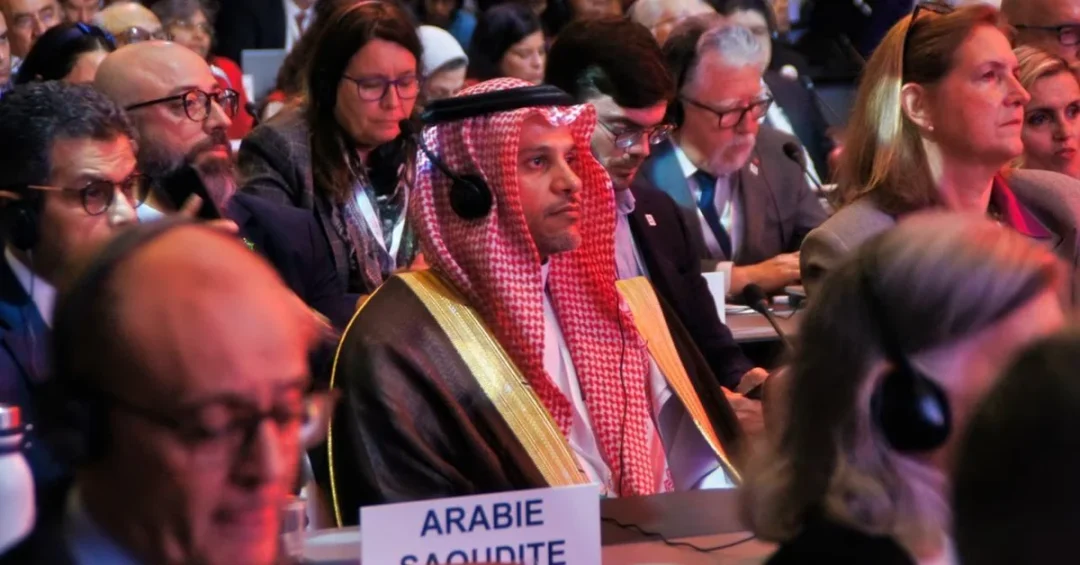
The Saudi Red Crescent Authority (SRCA) has joined the 34th International Conference of the Red Cross and Red Crescent, taking place from October 28 to 31, 2024, in Geneva. The delegation, led by SRCA President Dr. Jalal Al Owaisi, is participating alongside the International Committee of the Red Cross (ICRC), the International Federation of Red Cross and Red Crescent Societies (IFRC) representing 191 national societies, and signatory states to the Geneva Conventions. This engagement underscores the Kingdom of Saudi Arabia’s commitment to global humanitarian cooperation and its active role in addressing pressing international challenges.
Context and Background
The International Conference of the Red Cross and Red Crescent is the world’s largest humanitarian forum, convening every four years to shape policies and strengthen collaboration among state parties, the ICRC, and national societies. The 34th session, hosted in Geneva, focuses on enhancing the movement’s response to contemporary crises, including armed conflicts, climate-related disasters, and public health emergencies. Saudi Arabia’s participation, through the SRCA, reflects its longstanding support for international humanitarian law and its dedication to fostering strategic alliances within the global humanitarian community.
Key Details
Leading the Saudi delegation, Dr. Jalal Al Owaisi is representing the Kingdom’s humanitarian efforts on a global stage. The conference provides a pivotal platform for the SRCA to exchange insights with international humanitarian bodies and nations, highlighting Saudi Arabia’s contributions to relief and development initiatives worldwide. The delegation’s presence emphasizes the authority’s role in advancing the objectives of the International Red Cross and Red Crescent Movement, particularly in areas such as disaster response, first aid training, and emergency medical services. The SRCA’s participation also aligns with its ongoing efforts to strengthen bilateral ties with other national societies and global partners.
Implications and Impact
The conference serves as a critical venue for addressing present and future humanitarian challenges, with decisions made here influencing global strategies for the next four years. Saudi Arabia’s active engagement reinforces its position as a key player in international humanitarian affairs, showcasing its leadership in promoting peace, stability, and aid delivery. By participating in discussions on topics such as the protection of civilians in conflict zones and the integration of technology in disaster management, the SRCA contributes to shaping policies that benefit vulnerable populations worldwide. This involvement also enhances the Kingdom’s diplomatic relations with other nations and humanitarian organizations, fostering mutual cooperation.
Vision 2030 Alignment
The SRCA’s participation in the 34th International Conference directly supports Saudi Vision 2030 by demonstrating the Kingdom’s commitment to global humanitarian leadership and sustainable development. Through strategic partnerships and knowledge exchange, the SRCA is strengthening its capacity to deliver high-quality emergency services, aligning with Vision 2030’s goals of improving quality of life and enhancing the Kingdom’s role as a responsible global citizen. As Saudi Arabia continues to modernize its healthcare and disaster response systems, engagements like this conference pave the way for innovative solutions and greater international collaboration, contributing to a safer and more resilient world.
20 Questions
Q1. What is the 34th International Conference of the Red Cross and Red Crescent?
A1. The 34th International Conference is a major humanitarian forum held in Geneva from October 28 to 31, 2024, bringing together the ICRC, IFRC, 191 national societies, and Geneva Convention signatory states to address global challenges.
Q2. Who is leading the Saudi Red Crescent Authority delegation?
A2. The delegation is led by SRCA President Dr. Jalal Al Owaisi, who represents the Kingdom’s humanitarian interests and engages with international partners to strengthen cooperation.
Q3. Why is Saudi Arabia participating in this conference?
A3. Saudi Arabia aims to foster international strategic alliances, showcase its humanitarian endeavors, exchange insights with global bodies, and contribute to decisions on pressing humanitarian issues.
Q4. What is the role of the Saudi Red Crescent Authority?
A4. The SRCA provides emergency medical services, disaster response, and first aid training in Saudi Arabia, and it engages internationally to support humanitarian initiatives and share expertise.
Q5. How often does the International Conference take place?
A5. The conference convenes every four years, serving as the largest global humanitarian forum for policy-making and collaboration among state parties and Red Cross/Red Crescent organizations.
Q6. What topics are discussed at the 34th conference?
A6. Topics include armed conflict response, climate-related disasters, public health emergencies, protection of civilians, and integration of technology in humanitarian work.
Q7. How does this participation align with Saudi Vision 2030?
A7. It supports Vision 2030 by enhancing Saudi Arabia’s global humanitarian leadership, improving quality of life, and building strategic partnerships that drive sustainable development and modernization.
Q8. Who are the main participants at the conference?
A8. Participants include the ICRC, IFRC, 191 national Red Cross and Red Crescent societies, and 196 signatory states to the Geneva Conventions, along with delegates from various countries.
Q9. What is the significance of the Geneva Conventions?
A9. The Geneva Conventions establish international humanitarian law, protecting civilians and combatants in armed conflicts, and their signatory states meet at the conference to strengthen these principles.
Q10. How does the SRCA contribute to global humanitarian efforts?
A10. The SRCA contributes by sharing its expertise in emergency response, participating in international missions, and collaborating with other national societies to enhance disaster preparedness and relief.
Q11. What is the ICRC’s role at the conference?
A11. The ICRC, as a key organizer, coordinates discussions on international humanitarian law, protection of victims, and operational responses, working with states and national societies.
Q12. What is the IFRC’s role in the conference?
A12. The IFRC represents national societies, focusing on disaster management, health programs, and capacity building, and facilitates knowledge sharing among members.
Q13. How many national societies are part of the International Federation?
A13. The IFRC comprises 191 national Red Cross and Red Crescent societies worldwide, each providing services tailored to their region’s needs while adhering to common principles.
Q14. What are some past achievements of Saudi Arabia in humanitarian work?
A14. Saudi Arabia has provided substantial aid through the King Salman Humanitarian Aid and Relief Centre, supported global health initiatives, and deployed SRCA teams during disasters.
Q15. How does the conference address modern humanitarian challenges?
A15. The conference facilitates dialogue on emerging issues like cyber threats to aid workers, climate change impacts, and pandemic responses, enabling coordinated global strategies.
Q16. What is the expected outcome of this conference for Saudi Arabia?
A16. Saudi Arabia expects to strengthen diplomatic ties, share its humanitarian best practices, and gain insights that enhance its domestic disaster response and international aid programs.
Q17. How does the SRCA train its personnel?
A17. The SRCA provides specialized training in first aid, emergency medical services, disaster management, and leadership, often collaborating with international bodies to improve standards.
Q18. What is the historical relationship between Saudi Arabia and the Red Cross movement?
A18. Saudi Arabia has been a long-standing partner, supporting humanitarian principles, contributing to global relief efforts, and hosting regional training programs with the IFRC.
Q19. How does the conference influence global humanitarian policies?
A19. The conference adopts resolutions and recommendations that guide the actions of states and organizations, shaping international responses to crises and promoting adherence to humanitarian law.
Q20. What is the next step for the SRCA after the conference?
A20. The SRCA will implement lessons learned, enhance partnerships with other national societies, and continue advancing its emergency services in line with Vision 2030’s goals.
Reader Feedback
We value your thoughts. Please share your feedback on this article.
Your feedback helps us improve our coverage.