


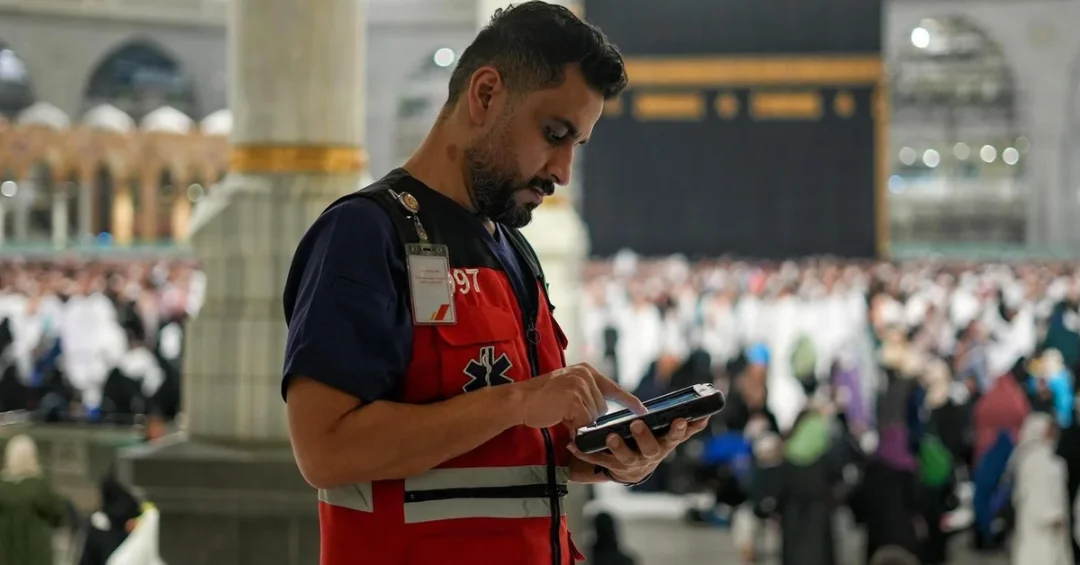
The Saudi Red Crescent Authority (SRCA) successfully restored the pulse of a 70-year-old Egyptian Umrah performer who suffered a cardiac arrest at the Grand Mosque in Makkah on January 23, 2025. Emergency medical teams from the SRCA Makkah branch responded promptly, performing cardiopulmonary resuscitation (CPR) and stabilizing the patient before transporting her to a medical facility for further evaluation and treatment.
Context and Background
The Grand Mosque, the holiest site in Islam, hosts millions of worshippers and Umrah performers annually, particularly during peak religious seasons. The Saudi Red Crescent Authority is a key pillar of the Kingdom’s emergency medical services, operating under the Ministry of Health to provide rapid response and pre-hospital care. This incident highlights the agency’s readiness to handle critical medical emergencies in one of the world’s most visited religious sites.
Key Details
According to the official Saudi Press Agency, the SRCA teams arrived at the scene within minutes of receiving the emergency call. They performed CPR and used advanced life-support equipment to restore the woman’s pulse and breathing. Following stabilization, she was transported to a nearby hospital for comprehensive cardiac care. The identity of the patient has not been disclosed, but officials confirmed she is in stable condition.
Implications and Impact
This rescue underscores the effectiveness of Saudi Arabia’s emergency medical infrastructure in high-density religious settings. The Kingdom has invested heavily in health services, including specialized cardiac care units and mobile clinics, to ensure the safety of millions of pilgrims and visitors. The incident also demonstrates the professionalism of Saudi healthcare workers, who are trained to manage age-related medical crises common among elderly worshippers.
Vision 2030 Alignment
The successful emergency response aligns with Saudi Vision 2030, which prioritizes healthcare excellence and the enhancement of services for religious tourists. As the Kingdom aims to welcome 30 million Umrah performers annually by 2030, investments in emergency preparedness and medical infrastructure are critical to ensuring a safe and seamless experience for all visitors. This incident reflects Saudi Arabia’s commitment to compassionate care and global health standards.
20 Questions
Q1. What happened to the Egyptian Umrah performer at the Grand Mosque?
A1. The 70-year-old Egyptian woman suffered a cardiac arrest while performing Umrah at the Grand Mosque in Makkah. Emergency responders from the Saudi Red Crescent Authority arrived promptly to provide life-saving care.
Q2. Which agency responded to the emergency?
A2. The Saudi Red Crescent Authority (SRCA), specifically its Makkah branch, responded to the emergency. They are responsible for pre-hospital emergency medical services in the region.
Q3. What medical procedures were performed?
A3. The SRCA team performed cardiopulmonary resuscitation (CPR) and used advanced life-support equipment to restore the woman’s pulse and breathing before transporting her to a hospital.
Q4. Where did the incident take place?
A4. The incident occurred inside the Grand Mosque in Makkah, the holiest site in Islam. This location hosts millions of worshippers and Umrah performers annually.
Q5. When did this incident occur?
A5. The rescue took place on January 23, 2025. The Saudi Red Crescent Authority reported the incident via the Saudi Press Agency on the same day.
Q6. What is the condition of the patient?
A6. After successful CPR, the woman was transported to a medical facility for further evaluation. Officials have confirmed she is in stable condition following the emergency treatment.
Q7. How did the SRCA respond to the emergency?
A7. The SRCA dispatched emergency medical teams within minutes of receiving the call. They arrived quickly and performed life-saving procedures that restored the woman’s pulse and breathing.
Q8. What is the Saudi Red Crescent Authority?
A8. The SRCA is the official emergency medical services provider in Saudi Arabia, operating under the Ministry of Health. It offers ambulance services, disaster response, and pre-hospital care nationwide.
Q9. Why is this incident significant?
A9. The rescue demonstrates the effectiveness of Saudi Arabia’s emergency medical infrastructure at the Grand Mosque. It highlights the readiness of healthcare workers to manage critical incidents in high-density religious settings.
Q10. How does this relate to Saudi Vision 2030?
A10. Vision 2030 aims to improve healthcare services and enhance the experience of religious tourists. This successful rescue reflects the Kingdom’s commitment to providing safe and high-quality medical care for all visitors.
Q11. What training do SRCA personnel undergo?
A11. SRCA personnel undergo rigorous training in advanced life support, cardiac care, and emergency response. They are equipped to handle a wide range of medical emergencies, including cardiac arrests and trauma.
Q12. How many Umrah performers visit Saudi Arabia annually?
A12. Saudi Arabia hosts millions of Umrah performers each year. Under Vision 2030, the Kingdom aims to welcome 30 million Umrah visitors annually by 2030, increasing the need for robust emergency services.
Q13. What equipment was used in the rescue?
A13. The SRCA team used CPR techniques and advanced life-support equipment, including defibrillators and oxygen supplies, to stabilize the patient before hospital transport. Specific device details were not disclosed.
Q14. What is the role of the Saudi Press Agency in such reports?
A14. The Saudi Press Agency (SPA) is the official news source in the Kingdom. It disseminates verified information about events and official announcements, ensuring transparency and public awareness.
Q15. Are elderly Umrah performers at higher risk of medical emergencies?
A15. Elderly individuals, especially those with pre-existing conditions like heart disease, may face higher risks during physical activities, including the rituals of Umrah. Saudi emergency services are prepared to address these needs.
Q16. What facilities are available at the Grand Mosque for medical emergencies?
A16. The Grand Mosque has dedicated medical clinics and first-aid stations staffed by trained professionals. Additionally, emergency responders from the SRCA are stationed nearby to provide rapid assistance.
Q17. How does this align with Saudi Arabia’s healthcare goals?
A17. Saudi Arabia’s healthcare goals under Vision 2030 include improving emergency response times and expanding access to quality care. This incident showcases the effectiveness of current investments in medical infrastructure.
Q18. What is the typical process after a cardiac arrest rescue in Makkah?
A18. After initial stabilization, patients are transported to a designated medical facility for further evaluation and treatment. The SRCA coordinates with hospitals to ensure seamless care continuity.
Q19. How can Umrah performers access medical help in the Grand Mosque?
A19. Umrah performers can approach on-site medical clinics or first-aid stations located within the mosque complex. Emergency hotlines are also available to summon SRCA assistance quickly.
Q20. What message does this rescue send to international visitors?
A20. This rescue sends a message of safety and reliability, reassuring international visitors that Saudi Arabia is fully equipped to handle medical emergencies. It reflects the Kingdom’s commitment to the well-being of all guests.
Reader Feedback
We value your thoughts. Please share your feedback on this article.
Your feedback helps us improve our coverage.