


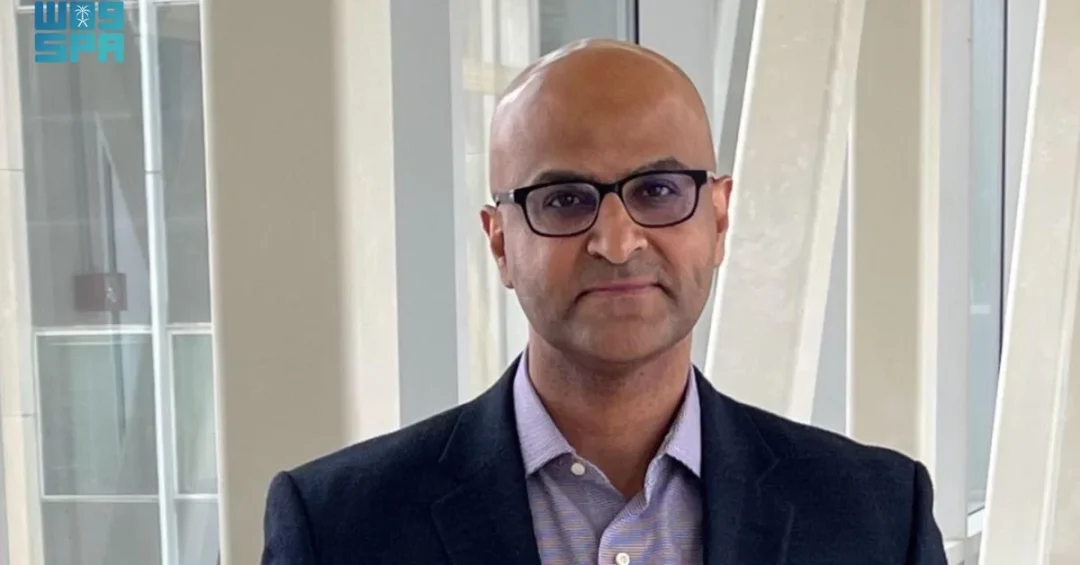
Saudi researcher Dr. Yasser Aldhamen, an assistant professor at Michigan State University (MSU), has achieved significant progress in the development of potential new cancer drugs by leveraging artificial intelligence (AI), according to a release from MSU reported by the Saudi Press Agency (SPA) on September 30, 2024. The research, funded by Atomwise, a pharmaceutical company specializing in AI-driven drug discovery, screened millions of chemical compounds using machine learning algorithms to identify promising candidates for cancer immunotherapy.
Context and Background
Dr. Aldhamen’s work focuses on enhancing the function of CD8+ T cells, a type of immune cell critical for attacking cancer. Traditional drug discovery methods often involve testing thousands of compounds in the laboratory, a time-consuming and costly process. By integrating AI, the research team dramatically accelerated the identification of viable compounds, predicting their potential interactions with target immune proteins with high accuracy.
Key Details
The AI-driven screening process identified 72 promising compounds, two of which demonstrated significant activity in targeting immune proteins that could boost the body’s cancer-fighting response. These compounds are now being refined in collaboration with pharmaceutical companies to explore their potential for clinical trials. Dr. Aldhamen’s ultimate goal is to develop these compounds into new immunotherapies for cancer treatment, aiming to create sustainable treatments that improve outcomes for patients worldwide.
Implications and Impact
The success of Dr. Aldhamen’s research represents a milestone in the global fight against cancer, demonstrating the transformative potential of AI in biomedical science. It also highlights the contributions of Saudi researchers to cutting-edge international science, reinforcing the Kingdom’s role as a supporter of innovation and talent development abroad. This achievement aligns with broader efforts to foster knowledge transfer and collaboration between Saudi institutions and global partners.
Vision 2030 Alignment
Dr. Aldhamen’s breakthrough directly supports Saudi Arabia’s Vision 2030, which emphasizes the development of a knowledge-based economy and investment in human capital. By showcasing Saudi talent at the forefront of AI and healthcare innovation, the Kingdom continues to build its reputation as a hub for advanced research and international collaboration. Such contributions underscore Saudi Arabia’s commitment to improving global health outcomes and advancing scientific frontiers.
20 Questions
Q1. Who is Dr. Yasser Aldhamen?
A1. Dr. Yasser Aldhamen is a Saudi researcher and assistant professor at Michigan State University (MSU), recognized for his work in developing AI-driven cancer drug candidates.
Q2. What is the main focus of Dr. Aldhamen’s research?
A2. His research focuses on using artificial intelligence to identify chemical compounds that can enhance CD8+ T cells, a type of immune cell that attacks cancer.
Q3. Which company funded the research?
A3. The research was funded by Atomwise, a pharmaceutical company that specializes in AI-driven drug discovery.
Q4. How did the research use AI?
A4. The team used machine learning algorithms to screen millions of chemical compounds, predicting which ones would most effectively interact with target immune proteins.
Q5. How many promising compounds were identified?
A5. The AI screening process identified 72 promising compounds.
Q6. How many of these compounds showed significant activity?
A6. Two of the 72 compounds demonstrated significant activity in targeting immune proteins relevant to cancer treatment.
Q7. What type of immune cells does the research target?
A7. The research targets CD8+ T cells, which are crucial for the body’s immune response against cancer.
Q8. Why is AI important in this drug discovery process?
A8. AI dramatically accelerates the drug discovery process by predicting promising compounds without the need for extensive laboratory testing of thousands of substances.
Q9. What is the next step for these compounds?
A9. Dr. Aldhamen and his team are collaborating with pharmaceutical companies to refine the compounds and explore their potential for clinical trials.
Q10. What is the ultimate goal of the research?
A10. The goal is to develop new immunotherapies for cancer treatment that provide sustainable and improved outcomes for patients.
Q11. How does this research benefit Saudi Arabia’s reputation?
A11. It highlights the contributions of Saudi researchers to global science and innovation, reinforcing the Kingdom’s role in supporting talent development and international collaboration.
Q12. What is Vision 2030’s connection to this research?
A12. The research aligns with Vision 2030’s goals of building a knowledge-based economy and investing in human capital through advanced science and technology.
Q13. Did the Saudi Press Agency report on this research?
A13. Yes, the Saudi Press Agency (SPA) reported the findings from the Michigan State University release on September 30, 2024.
Q14. What challenge does traditional drug discovery face?
A14. Traditional methods often require testing thousands of compounds in the laboratory, which is time-consuming and costly compared to AI-driven approaches.
Q15. How does this research advance cancer immunotherapy?
A15. By identifying compounds that boost CD8+ T cell function, the research opens new avenues for more effective cancer immunotherapies.
Q16. What is Atomwise’s role in the project?
A16. Atomwise provided funding and expertise in AI-driven drug discovery, supporting the screening process that identified the promising compounds.
Q17. Is this research still ongoing?
A17. Yes, the team continues to collaborate with pharmaceutical companies to refine the compounds and move toward clinical trials.
Q18. What makes Dr. Aldhamen’s work unique?
A18. His integration of AI with immunology research represents a cutting-edge approach to accelerating cancer drug development.
A19. The research demonstrates how AI can reduce the time needed to move from compound identification to potential clinical testing, making drug development more efficient.
A20. This achievement provides a model for future collaborations between Saudi researchers and international institutions, highlighting the Kingdom’s commitment to scientific progress.
Reader Feedback
We value your thoughts. Please share your feedback on this article.
Your feedback helps us improve our coverage.