


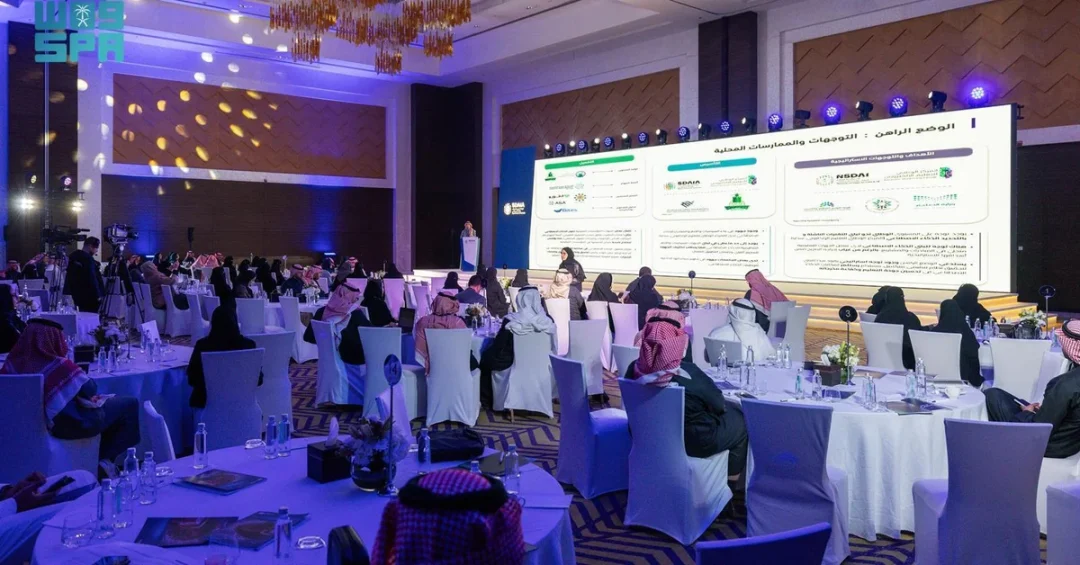
The Saudi Data and AI Authority (SDAIA) convened a meeting at the JW Marriott Hotel in Riyadh on January 29, 2025, to examine AI regulation and governance, bringing together over 400 officials from the public and private sectors. This gathering underscored the rapid global transformation driven by AI technologies and highlighted Saudi Arabia’s proactive approach to establishing a robust regulatory framework for the sector.
Context and Background
SDAIA serves as the national reference for all matters related to the organization, development, and management of data and AI in the Kingdom. The Authority’s ongoing commitment to regulating the data and AI sectors focuses on setting policies, standards, and controls while raising awareness of relevant regulations and guidelines. This meeting reflects SDAIA’s role in coordinating AI governance efforts across government and private entities.
Key Details
Participants discussed SDAIA’s frameworks and principles of AI governance, experiences of AI offices within participating entities, and studies of AI regulations across different sectors. The meeting also examined the role of international specifications in AI regulation, achievements and challenges related to AI governance, and international best practices in the field. Discussions addressed aligning future strategies to strengthen AI regulation across various sectors in the Kingdom.
Attendees were introduced to SDAIA’s Incentive Badges, designed to assess and recognize entities based on their maturity in AI ethics, practice, and commitment. These badges are awarded at five levels—Aware, Adopting, Compliant, Assured, and Pioneer—and serve as a certification valid for one year. Additionally, SDAIA, in collaboration with the Education and Training Evaluation Commission (ETEC), launched the Saudi Academic Framework for AI Qualifications (Education Intelligence) Alignment Program. This initiative aims to align academic programs in educational institutions with the Saudi Academic Framework for AI Qualifications by establishing precise requirements that ensure compatibility with global best practices in AI education.
Implications and Impact
The meeting signals Saudi Arabia’s leadership in shaping AI governance at both national and international levels. By engaging over 400 officials from diverse sectors, SDAIA is fostering a coordinated approach to AI regulation that will enhance trust, safety, and innovation. The introduction of Incentive Badges and the education alignment program positions the Kingdom to develop a skilled workforce and ethical AI ecosystem, attracting global partnerships and investments.
20 Questions
Q1. What was the purpose of the SDAIA meeting in Riyadh?
A1. The meeting aimed to explore AI regulation and governance in the Kingdom, bringing together over 400 officials from the public and private sectors to discuss policies, standards, and controls.
Q2. When and where did the meeting take place?
A2. The meeting was held at the JW Marriott Hotel in Riyadh on January 29, 2025, as reported by the Saudi Press Agency.
Q3. Who organized the event?
A3. The event was organized by the Saudi Data and AI Authority (SDAIA), which serves as the national reference for data and AI matters in the Kingdom.
Q4. How many officials participated in the meeting?
A4. More than 400 officials from the public and private sectors participated in the SDAIA meeting.
Q5. What topics were discussed during the meeting?
A5. Discussions covered SDAIA’s AI governance frameworks, experiences of AI offices, AI regulations across sectors, international specifications, achievements, challenges, and international best practices.
Q6. What are SDAIA’s Incentive Badges?
A6. Incentive Badges are awards that assess and recognize entities based on their maturity in AI ethics, practice, and commitment, with five levels: Aware, Adopting, Compliant, Assured, and Pioneer.
Q7. How long is an Incentive Badge valid?
A7. Each Incentive Badge certification is valid for one year, encouraging entities to continuously improve their AI practices.
Q8. What is the Saudi Academic Framework for AI Qualifications Alignment Program?
A8. Launched by SDAIA and ETEC, it aligns academic programs with global best practices by establishing precise requirements for AI qualifications in educational institutions.
Q9. Why is AI regulation important for Saudi Arabia?
A9. AI regulation ensures responsible development, builds trust, and supports Vision 2030 goals of economic diversification and technological leadership.
Q10. How does this meeting align with Vision 2030?
A10. The meeting advances Vision 2030 by fostering innovation, building a digital economy, and positioning Saudi Arabia as a global leader in AI governance.
Q11. What role do international specifications play in AI governance?
A11. International specifications help harmonize Saudi regulations with global standards, enabling cross-border collaboration and ensuring best practices.
Q12. What were the achievements highlighted in AI governance?
A12. Participants shared achievements from AI offices in government and private entities, showcasing progress in implementing ethical AI practices and regulatory compliance.
Q13. What challenges were discussed regarding AI governance?
A13. Challenges included aligning diverse sectoral needs with uniform regulations and keeping pace with rapid AI technological advances.
Q14. How does SDAIA support public and private sectors in AI?
A14. SDAIA sets policies, standards, and controls, provides guidance, and raises awareness of regulations to help entities adopt responsible AI.
Q15. What is the significance of the five-level badge system?
A15. The badge system motivates organizations to progress incrementally in AI maturity, fostering continuous improvement and recognition of excellence.
Q16. How will the education alignment program impact Saudi students?
A16. It will ensure AI academic programs meet global standards, preparing students with relevant skills for careers in AI and related fields.
Q17. What agencies collaborated on the education framework?
A17. SDAIA collaborated with the Education and Training Evaluation Commission (ETEC) to develop the alignment program.
Q18. Is the meeting a one-time event?
A18. It is part of SDAIA’s ongoing efforts to regulate and govern AI, with future meetings likely to build on the discussions.
Q19. How can foreign entities engage with Saudi AI regulations?
A19. Foreign entities can review SDAIA’s published frameworks, participate in consultations, and align with international best practices recognized by the Kingdom.
Q20. What is the expected outcome of these regulatory efforts?
A20. The efforts aim to create a safe, ethical, and innovative AI environment that drives economic growth and enhances Saudi Arabia’s global position.
Vision 2030 Alignment
SDAIA’s exploration of AI regulation and governance directly supports Saudi Arabia’s Vision 2030 by fostering a vibrant society, a thriving economy, and an ambitious nation. By building a robust AI ecosystem with clear standards, ethical practices, and world-class education, the Kingdom is positioning itself as a global leader in the Fourth Industrial Revolution. These initiatives will drive innovation, attract investment, and create new opportunities for citizens, contributing to a diversified and sustainable economy that benefits all.
Reader Feedback
We value your thoughts. Please share your feedback on this article.
Your feedback helps us improve our coverage.