


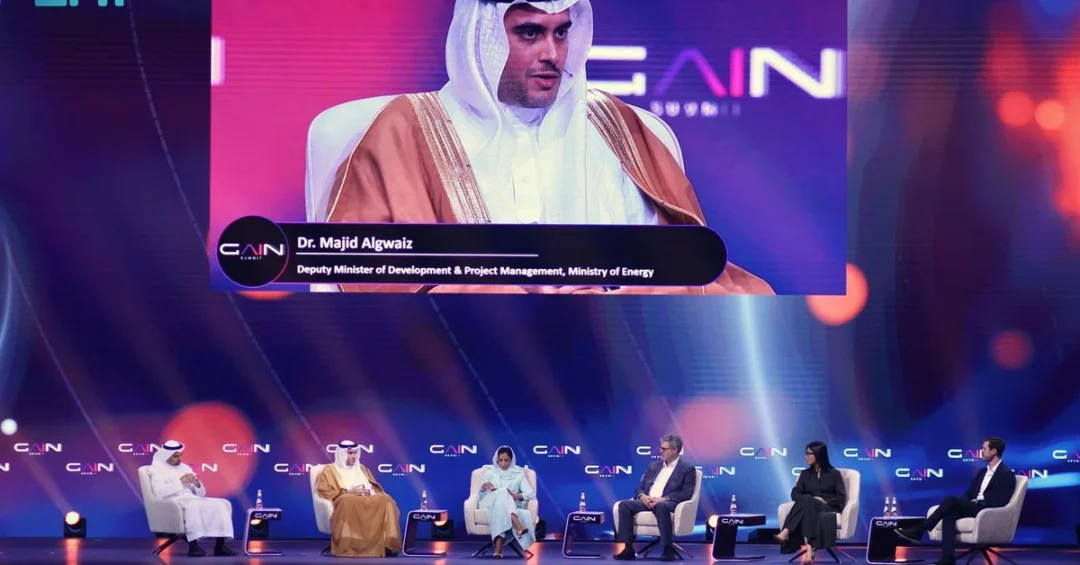
Riyadh, September 11, 2024 – During the Global Artificial Intelligence Summit organized by the Saudi Data and Artificial Intelligence Authority (SDAIA), a dialogue session brought together leading energy and technology experts to explore the role of AI in transforming the energy sector. The session highlighted critical challenges and opportunities, particularly the rising energy demands of AI-driven applications, and outlined Saudi Arabia’s proactive steps to balance technological advancement with sustainable energy management.
Context and Background
As artificial intelligence applications proliferate globally, the energy consumption of data centers has become a pressing concern. The Kingdom of Saudi Arabia, aligning with its Vision 2030 objectives for economic diversification and technological leadership, has positioned itself at the forefront of addressing this challenge. The Global Artificial Intelligence Summit serves as a platform for international collaboration, bringing together policymakers, industry leaders, and innovators to discuss sustainable AI deployment.
Key Details
Deputy Minister of Energy for Development and Project Management, Dr. Majid Al-Quwaiz, drew attention to the increased energy consumption by data centers due to the growth of AI applications. He emphasized the urgent need to find solutions for reducing the energy footprint of these technologies. Dr. Al-Quwaiz highlighted positive steps taken by the Ministry of Energy, including coordination with specialized government sectors and close collaboration with SDAIA, which led to the launch of the Energy Center for Artificial Intelligence. This initiative aims to develop efficient energy practices for AI infrastructure.
Cenly Chen, Chief Growth Officer, Senior Vice President, and Managing Director at Supermicro, noted that when AI is applied correctly, it can improve energy consumption and reduce costs through predictive applications. Chen commended Saudi Arabia’s progress in cooling data centers and using renewable energy, affirming that the Kingdom has become a global leader in solving these challenges.
Implications and Impact
The dialogue underscores Saudi Arabia’s dual commitment to advancing AI innovation and ensuring sustainable energy use. By integrating AI into energy management, the Kingdom is setting a benchmark for other nations, particularly in the Middle East and beyond. The focus on renewable energy and efficient data center cooling technologies aligns with global efforts to mitigate climate change, positioning Saudi Arabia as a responsible contributor to international energy and technology dialogues.
Vision 2030 Alignment
This initiative directly supports Saudi Arabia’s Vision 2030 goals of building a diversified, knowledge-based economy and achieving leadership in advanced technologies. The collaboration between the Ministry of Energy and SDAIA to establish the Energy Center for Artificial Intelligence exemplifies the Kingdom’s strategic approach to leveraging AI for sustainable development, fostering innovation, and enhancing global competitiveness. As Saudi Arabia continues to host influential summits like this one, it reinforces its role as a hub for cutting-edge solutions that benefit both the Kingdom and the international community.
20 Questions
Q1. What was the main focus of the dialogue session at the SDAIA Summit?
A1. The session focused on the role of AI technologies in transforming the energy sector, particularly addressing the rising energy consumption of data centers and finding sustainable solutions.
Q2. Who participated in the dialogue session?
A2. Key participants included Dr. Majid Al-Quwaiz, Deputy Minister of Energy for Development and Project Management, and Cenly Chen from Supermicro, along with other experts.
Q3. What concern did Dr. Majid Al-Quwaiz raise?
A3. He highlighted the increased energy consumption by data centers due to the growth of AI applications and emphasized the need to reduce energy use in these technologies.
Q4. What initiative was launched to address energy challenges in AI?
A4. The Energy Center for Artificial Intelligence was launched through coordination between the Ministry of Energy and SDAIA.
Q5. How does the Energy Center for Artificial Intelligence help?
A5. It aims to develop efficient energy practices for AI infrastructure, focusing on reducing consumption and promoting sustainability.
Q6. What did Cenly Chen say about AI and energy consumption?
A6. Chen noted that when applied correctly, AI can improve energy consumption and reduce costs through predictive applications.
Q7. What did Chen commend about Saudi Arabia’s progress?
A7. He praised Saudi Arabia’s advancements in cooling data centers and using renewable energy, calling the Kingdom a leader in solving these challenges.
Q8. Why is the dialogue session significant for Saudi Arabia?
A8. It showcases Saudi Arabia’s proactive approach to balancing AI innovation with sustainable energy management, aligning with Vision 2030 goals.
Q9. How does this session support Vision 2030?
A9. It promotes economic diversification, technological leadership, and sustainable development, which are core pillars of Vision 2030.
Q10. What role does SDAIA play in this context?
A10. SDAIA organizes the summit and collaborates with the Ministry of Energy to launch initiatives like the Energy Center for Artificial Intelligence.
Q11. What is the global relevance of the summit?
A11. The summit fosters international collaboration on AI and energy, with Saudi Arabia setting benchmarks for other nations in sustainable technology use.
Q12. How does AI help in reducing energy costs?
A12. AI uses predictive analytics to optimize energy consumption, identifying inefficiencies and automating adjustments to lower costs.
Q13. What is the importance of renewable energy in AI development?
A13. Renewable energy reduces the environmental footprint of data centers, making AI development more sustainable and cost-effective.
Q14. What challenges does the Energy Center for Artificial Intelligence address?
A14. It addresses the growing energy demands of AI applications and seeks solutions to minimize consumption while maintaining performance.
Q15. How does Saudi Arabia’s data center cooling technology compare globally?
A15. Saudi Arabia is recognized as a leader in efficient cooling technologies, using innovative methods to reduce energy use in data centers.
Q16. What sectors benefit from the collaboration between energy and AI?
A16. The energy sector benefits directly, but also industries like technology, finance, and transportation gain from improved efficiency and reduced costs.
Q17. How does the summit influence international perceptions of Saudi Arabia?
A17. It positions Saudi Arabia as a hub for cutting-edge technology and sustainable practices, enhancing its global reputation as an innovator.
Q18. What is the expected outcome of the Energy Center for Artificial Intelligence?
A18. The center is expected to produce energy-efficient solutions for AI, contributing to national and global sustainability targets.
Q19. How does the dialogue session promote knowledge sharing?
A19. It brings together experts from various fields to share insights and best practices, fostering innovation and collaborative problem-solving.
Q20. What future steps might Saudi Arabia take in AI and energy?
A20. Saudi Arabia will likely continue investing in AI research, renewable energy, and data center efficiency, strengthening its leadership in sustainable technology.
Reader Feedback
We value your thoughts. Please share your feedback on this article.
Your feedback helps us improve our coverage.