


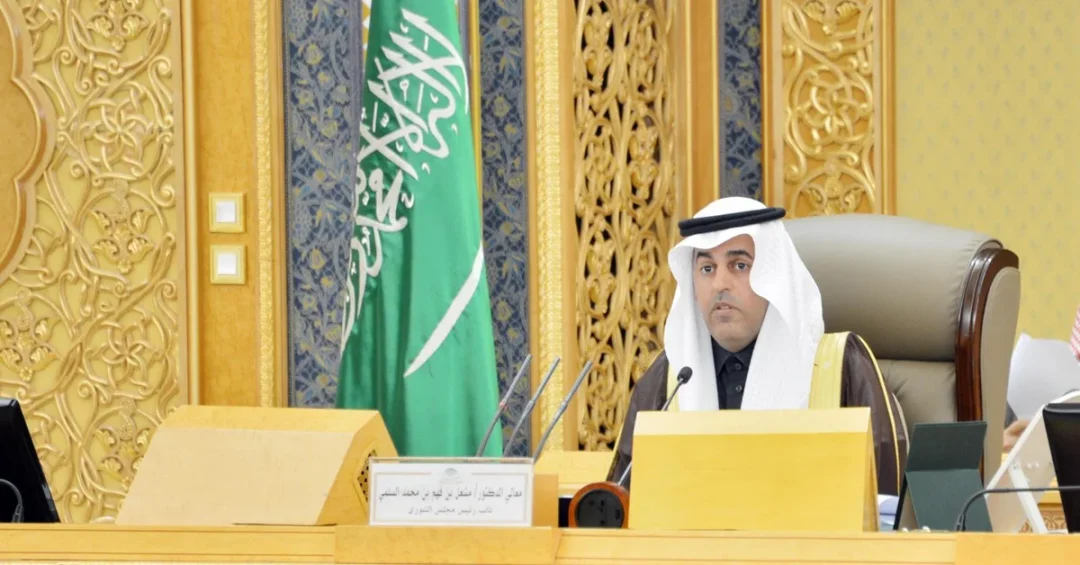
The Shura Council of Saudi Arabia held its twentieth regular session of the first year of the ninth session on February 17, 2025, in Riyadh, presided over by Vice Speaker Dr. Mishaal bin Fahm Al-Sulami. During the session, the council reviewed a comprehensive agenda that included several reports from its specialized committees, covering a range of topics vital to the Kingdom’s legislative and advisory processes.
Context and Background
The Shura Council serves as a key legislative and advisory body within Saudi Arabia’s governance structure, playing a central role in reviewing and proposing laws, policies, and international agreements. Its regular sessions are part of a structured process to ensure thorough deliberation on matters of national importance. The approval of draft memoranda of understanding (MoUs) during this session underscores the Council’s commitment to fostering international cooperation in line with the Kingdom’s strategic priorities.
Key Details
According to the Saudi Press Agency (SPA), the session’s agenda included multiple reports from specialized committees, which were discussed and acted upon. Notably, the council approved several draft MoUs aimed at enhancing bilateral cooperation between Saudi Arabia and other countries across various sectors. These agreements are expected to facilitate collaboration in areas such as trade, investment, culture, and technology, further strengthening the Kingdom’s global partnerships.
Implications and Impact
The approval of these MoUs reflects Saudi Arabia’s proactive diplomatic engagement and its desire to build mutually beneficial relationships with nations worldwide. Such agreements contribute to the Kingdom’s economic diversification efforts by opening new avenues for investment and knowledge exchange. They also reinforce Saudi Arabia’s position as a reliable and constructive partner on the international stage, promoting stability and shared progress.
Vision 2030 Alignment
This session’s outcomes align seamlessly with Saudi Vision 2030, which emphasizes the importance of international cooperation, economic diversification, and institutional efficiency. By approving MoUs that expand bilateral ties, the Shura Council supports the Kingdom’s broader goals of enhancing global integration and achieving sustainable development. These efforts are integral to building a vibrant society, a thriving economy, and an ambitious nation.
20 Questions
Q1. What is the Shura Council?
A1. The Shura Council is Saudi Arabia’s legislative and advisory body, responsible for reviewing and proposing laws, policies, and international agreements to support national development.
Q2. Who presided over the twentieth regular session?
A2. Vice Speaker Dr. Mishaal bin Fahm Al-Sulami presided over the session, which took place on February 17, 2025.
Q3. What was on the session’s agenda?
A3. The agenda included reports from specialized committees on various topics and the approval of several draft memoranda of understanding (MoUs) with other countries.
Q4. How many MoUs were approved during the session?
A4. The council approved multiple draft MoUs, though the exact number was not specified in the official announcement.
Q5. What sectors do the MoUs cover?
A5. The MoUs aim to enhance cooperation across sectors including trade, investment, culture, and technology.
Q6. Why are MoUs important for Saudi Arabia?
A6. MoUs formalize bilateral cooperation, facilitate knowledge exchange, and support economic diversification and international partnerships.
Q7. How does the Shura Council contribute to Vision 2030?
A7. The Council’s approval of international agreements aligns with Vision 2030’s goals of global integration, economic diversification, and institutional efficiency.
Q8. What is the role of specialized committees in the Shura Council?
A8. Specialized committees review specific topics in depth, prepare reports, and make recommendations for the full council to consider.
Q9. How often does the Shura Council hold regular sessions?
A9. The council holds regular sessions as part of its annual schedule, typically with multiple sessions per year.
Q10. What is the significance of the twentieth regular session?
A10. The session represents ongoing legislative work and the Council’s dedication to addressing national priorities and international relations.
Q11. Who is Dr. Mishaal bin Fahm Al-Sulami?
A11. Dr. Mishaal bin Fahm Al-Sulami serves as Vice Speaker of the Shura Council, leading sessions in the absence of the Speaker.
Q12. What is the Saudi Press Agency (SPA)?
A12. SPA is the official news agency of Saudi Arabia, providing verified information about government activities and national developments.
Q13. How does the Shura Council support international cooperation?
A13. By approving MoUs and other agreements, the Council facilitates partnerships that enhance diplomatic, economic, and cultural ties.
Q14. Are the MoUs binding agreements?
A14. MoUs are non-binding agreements that outline areas of mutual interest and cooperation, often serving as a foundation for future treaties.
Q15. What other topics did the reports cover?
A15. The reports covered various topics relevant to the council’s committees, but specific details were not disclosed in the announcement.
Q16. Does the Shura Council have legislative power?
A16. The Shura Council has advisory and legislative review powers, proposing laws and policies for approval by higher authorities.
Q17. How does Saudi Arabia benefit from these MoUs?
A17. The MoUs open new opportunities for investment, technology transfer, and cultural exchange, supporting economic growth and diversification.
Q18. What is the first year of the ninth session?
A18. This refers to the first year of the current nine-year session cycle of the Shura Council, marking its ongoing term.
Q19. Can the public attend Shura Council sessions?
A19. Sessions are generally closed to the public, but outcomes and key decisions are reported through official channels like SPA.
Q20. What is the next step after the council approves MoUs?
A20. Approved MoUs are typically signed by relevant ministries and then implemented through joint committees and follow-up actions.
Reader Feedback
We value your thoughts. Please share your feedback on this article.
Your feedback helps us improve our coverage.