


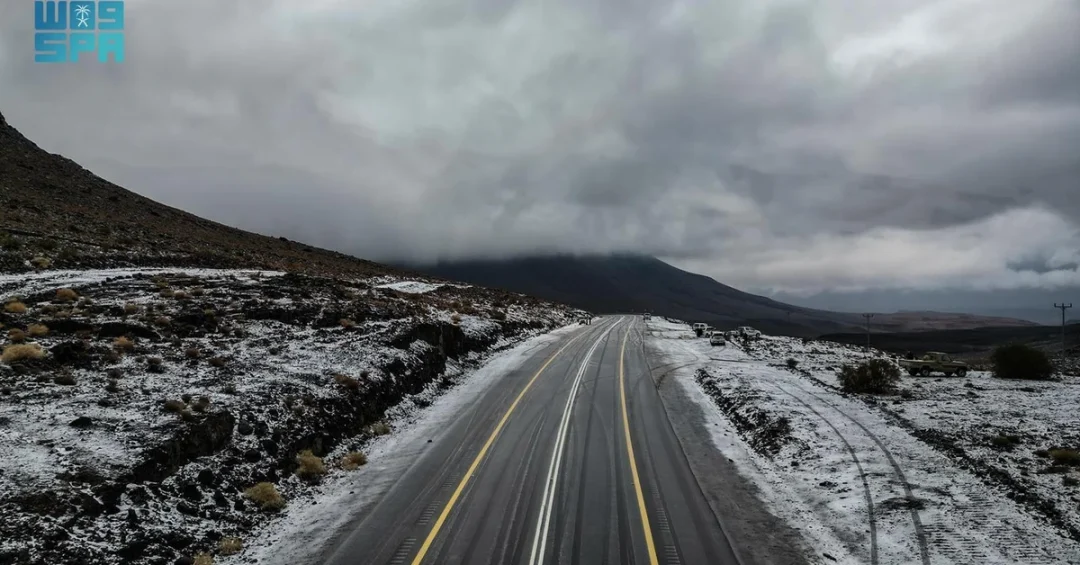
The Roads General Authority in the Tabuk region has developed an extensive road network extending over 8,000 kilometers and constructed more than 200 bridges, marking a significant milestone in the region’s infrastructure development. This network, announced on October 1, 2024, by the Saudi Press Agency, is designed to bolster commercial, tourist, and social activities while enhancing connectivity across the Kingdom’s northwestern gateway.
Context and Background
Tabuk region holds a strategically vital position in Saudi Arabia’s northwest, bordering Jordan to the north, Al-Jouf and Hail regions to the east, Madinah region to the south, and the Red Sea to the west. Its diverse terrain, encompassing desert, mountainous, and coastal landscapes, underscores the critical role of its road infrastructure in linking the region to the rest of the Kingdom and neighboring countries. The road network serves as a crucial corridor for pilgrims traveling from northern parts of the world to the Two Holy Mosques in Makkah and Madinah.
Key Details and Infrastructure Growth
The Roads General Authority has reported that 33 projects have been implemented in Tabuk over the past decade, with a combined investment exceeding SAR 2.4 billion. These projects include over 200 bridges that support seamless connectivity for commercial logistics and tourism. The network directly links the region to major giga-projects such as NEOM, AMAALA, and The Red Sea, facilitating their development and integration into the national economy. Advanced technologies are being employed to manage these roads, including a fleet of 18 AI-powered surveying and evaluation equipment that continuously assesses road conditions.
Implications and Impact
The expanded road network is set to significantly improve the quality of life for residents and travelers passing through Tabuk. By enhancing trade routes and tourism access, the infrastructure strengthens Saudi Arabia’s position as a regional economic hub. The authority’s strategy focuses on improving road quality, safety, and traffic capacity, which will help reduce road fatalities to fewer than five per 100,000 people by 2030. The network also bolsters connectivity with Jordan, offering a gateway to broader markets in the eastern and northern regions.
Vision 2030 Alignment
The development of Tabuk’s road network is a cornerstone of Vision 2030’s ambition to transform Saudi Arabia into a global logistics powerhouse. By linking remote areas to major projects and international borders, the infrastructure supports economic diversification, tourism growth, and community prosperity. Saudi Arabia’s commitment to achieving a top global ranking in road quality and enhancing transportation efficiency reflects its dedication to long-term, sustainable development. The Roads General Authority continues to deploy innovative technologies to ensure that the network remains safe, reliable, and world-class, positioning the Kingdom as a leader in modern infrastructure.
20 Questions
Q1. What is the total length of Tabuk’s road network developed by the Roads General Authority?
A1. The Roads General Authority has developed an extensive road network extending over 8,000 kilometers in the Tabuk region, linking it to national and international destinations.
Q2. How many bridges have been constructed as part of this network?
A2. Over 200 bridges have been constructed in the Tabuk region, supporting safe and efficient road connectivity across diverse terrain.
Q3. When was this infrastructure development announced?
A3. The announcement was made on October 1, 2024, by the Saudi Press Agency, detailing the progress of road projects in Tabuk.
Q4. Why is Tabuk’s location strategically significant?
A4. Tabuk is located in northwest Saudi Arabia, bordering Jordan and the Red Sea, making it a key gateway for trade, tourism, and pilgrimage routes.
Q5. Which major giga-projects does the road network connect to?
A5. The road network connects Tabuk to NEOM, AMAALA, and The Red Sea projects, supporting their development and integration into the national economy.
Q6. How does the network benefit pilgrims?
A6. The network serves as a vital corridor for pilgrims traveling from northern parts of the world to the Two Holy Mosques in Makkah and Madinah.
Q7. How many projects have been implemented in Tabuk over the past decade?
A7. A total of 33 projects have been implemented in Tabuk region over the past decade at a combined cost exceeding SAR 2.4 billion.
Q8. What is the total investment in these road infrastructure projects?
A8. The total investment in the 33 road projects in Tabuk exceeds SAR 2.4 billion, reflecting the Kingdom’s commitment to infrastructure development.
Q9. What technologies are used by the Roads General Authority for road management?
A9. Advanced technologies including AI-powered surveying and evaluation equipment are used to continuously assess road conditions and ensure safety.
Q10. How many pieces of AI equipment are deployed for road assessment?
A10. A fleet of 18 pieces of AI-powered equipment is deployed to continuously monitor and evaluate the condition of the road network in Tabuk.
Q11. What are the main objectives of the authority’s road strategy?
A11. The strategy focuses on improving road quality, safety, traffic capacity, and reducing road fatalities to less than five per 100,000 people by 2030.
Q12. How does the network support commercial activities?
A12. The extensive road network facilitates commercial logistics by connecting Tabuk to major projects and international borders, boosting trade and investment.
Q13. What diverse terrains does Tabuk’s road network cover?
A13. The network covers desert, mountainous, and coastal areas, ensuring connectivity across the region’s varied landscape.
Q14. How does the network connect with neighboring countries?
A14. Tabuk’s strategic position facilitates connectivity with Jordan, acting as a gateway to other countries in the east and north.
Q15. What is the goal for road fatalities by 2030 in Saudi Arabia?
A15. The goal is to reduce road fatalities to fewer than five per 100,000 people by 2030, enhancing overall road safety.
Q16. How does this infrastructure support tourism growth?
A16. By linking Tabuk to tourist destinations like The Red Sea and AMAALA, the network improves access for visitors and supports Vision 2030’s tourism targets.
Q17. What is the role of the Saudi Press Agency in this announcement?
A17. The Saudi Press Agency serves as the official source, releasing verified information about the road network development to the public.
Q18. How does the network improve quality of life for residents?
A18. The network enhances mobility and access to services, reducing travel time and boosting economic opportunities for local communities.
Q19. How does Vision 2030 relate to Tabuk’s road development?
A19. The road network aligns with Vision 2030 by supporting economic diversification, logistics transformation, and sustainable infrastructure growth.
Q20. What is the long-term goal for Saudi Arabia’s road quality ranking?
A20. Saudi Arabia aims to improve its position in the global road quality index, ensuring world-class infrastructure as part of its Vision 2030 objectives.
Reader Feedback
We value your thoughts. Please share your feedback on this article.
Your feedback helps us improve our coverage.