


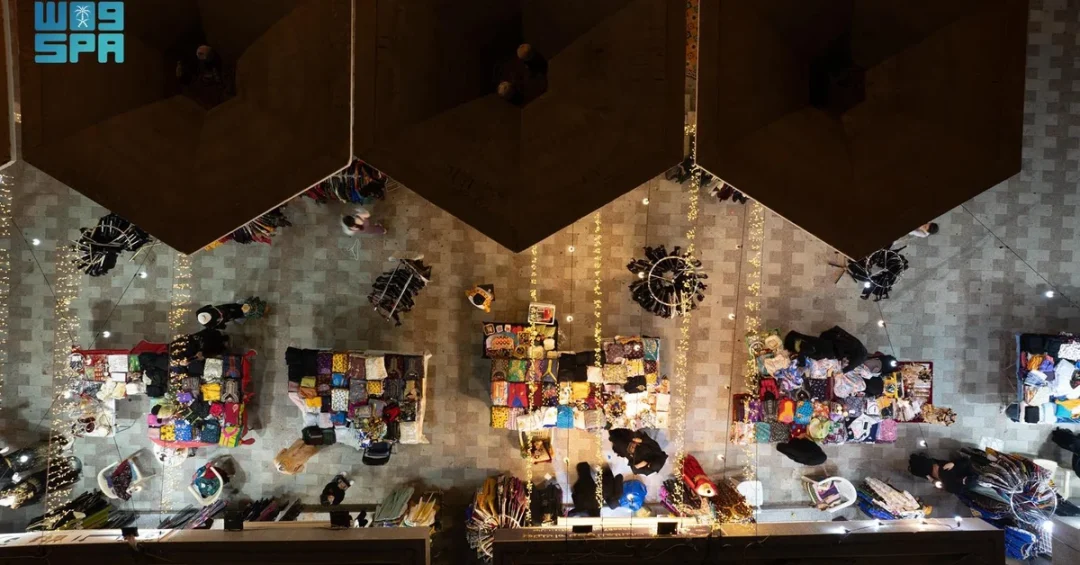
The historic markets of Taif Governorate, some dating back over 450 years, stand as living cultural time capsules that connect the Kingdom of Saudi Arabia’s rich heritage with its modern aspirations under Vision 2030. According to an official report by the Saudi Press Agency (SPA), these age-old marketplaces are popular destinations for tourists and residents alike, offering a diverse array of goods and a vibrant social atmosphere. The markets, which open early daily and cluster around the city’s gates, represent a unique nexus between the past, present, and future.
Context and Background
Taif, a city renowned for its mild climate and mountainous landscapes, has long been a center of commerce and culture in the Hejaz region. Its historic markets, some operating for over four and a half centuries, are more than mere shopping venues; they are living remnants of ancestral lifestyles and commercial pursuits. Shoppers can find essential household items including barley, millet, corn, ghee, honey, and dates, while the marketplaces serve as communal hubs where locals gather to discuss current events and engage in socializing.
Key Details and Development
Social researcher Sultan Alsufyani told an SPA reporter that development projects in Taif’s historic markets have created a vibrant cultural and recreational atmosphere. These initiatives have driven economic growth and enhanced tourist appeal. Alsufyani highlighted the significance of these markets from historical, cultural, recreational, and commercial perspectives. He also emphasized that improvements and environmental undertakings by Taif Municipality have benefited investors and visitors while preserving the markets’ unique architectural identity.
International and Tourism Impact
The preservation and revitalization of Taif’s historic markets align with Saudi Arabia’s broader strategy to promote cultural tourism as part of Vision 2030. By maintaining these sites, the Kingdom not only protects its tangible heritage but also creates authentic experiences for international visitors seeking to understand the region’s history. The markets’ appeal as leisure and social destinations complements the growing tourism sector, which aims to attract global travelers and showcase Saudi Arabia’s diverse cultural landscape.
Vision 2030 Alignment
The development of Taif’s historic markets exemplifies Saudi Arabia’s commitment to balancing modernization with heritage preservation, a key pillar of Vision 2030. By supporting local commerce, enhancing tourist infrastructure, and maintaining cultural identity, these initiatives contribute to the Kingdom’s goal of building a vibrant society and a thriving economy. As Taif continues to develop its cultural assets, its historic markets will remain enduring symbols of Saudi Arabia’s rich past and dynamic future.
20 Questions
Q1. Where are these historic markets located?
A1. The historic markets are located in Taif Governorate, a city in the Hejaz region of Saudi Arabia, known for its mild climate and mountainous landscapes.
Q2. How old are some of Taif’s historic markets?
A2. Some of these markets are over 450 years old, making them centuries-old centers of commerce and social life in the region.
Q3. What types of goods can visitors find at these markets?
A3. Visitors can find essential household items such as barley, millet, corn, ghee, honey, and dates, among other traditional wares.
Q4. What is the social role of these marketplaces?
A4. The marketplaces serve as communal hubs where locals gather to discuss current events, socialize, and engage with one another.
Q5. Who reported on these markets according to the article?
A5. The Saudi Press Agency (SPA) reported on the markets, quoting social researcher Sultan Alsufyani about their significance.
Q6. What did social researcher Sultan Alsufyani say about the markets?
A6. Alsufyani stated that development projects have created a vibrant cultural and recreational atmosphere, driving economic growth and tourist appeal.
Q7. Which municipality is involved in the development of these markets?
A7. Taif Municipality has carried out improvements and environmental undertakings to benefit investors and visitors.
Q8. How do these markets connect to cultural tourism?
A8. They offer authentic experiences for international visitors, helping to showcase Saudi Arabia’s diverse cultural landscape and attract global tourists.
Q9. What is the architectural significance of these markets?
A9. The markets have a unique architectural identity that is preserved through municipal development and environmental undertakings.
Q10. Are the markets popular among tourists?
A10. Yes, they are popular spots for tourists and leisure activities, attracting visitors interested in history and culture.
Q11. What time do the market shops open?
A11. Shops open their doors early every day, accommodating both locals and early-rising visitors.
Q12. How do these markets reflect Saudi Arabia’s heritage?
A12. They are living remnants of past commercial pursuits, providing a window into ancestral lifestyles and traditional trade practices.
Q13. What is the economic impact of developing these markets?
A13. The development has driven economic growth by creating a vibrant atmosphere that benefits local investors and businesses.
Q14. How do these markets support Vision 2030?
A14. They align with Vision 2030 by promoting cultural tourism, preserving heritage, and supporting a vibrant society and thriving economy.
Q15. Are these markets considered recreational spaces?
A15. Yes, they are highlighted as recreational spots where visitors can enjoy leisure activities and cultural experiences.
Q16. What is the historical significance of Taif in Saudi Arabia?
A16. Taif is a historic city in the Hejaz region, traditionally a center of commerce and culture, with a rich heritage dating back centuries.
Q17. How do locals use these marketplaces besides shopping?
A17. Locals use them as meeting points to discuss current events, socialize, and maintain community ties.
Q18. What environmental improvements have been made by Taif Municipality?
A18. Taif Municipality has carried out environmental undertakings to enhance the market experience while preserving its cultural identity.
Q19. Why are these markets called ‘cultural time capsules’?
A19. They are called cultural time capsules because they preserve traditional lifestyles, commerce, and social practices from centuries ago.
Q20. What does the development of these markets say about Saudi Arabia’s future?
A20. It shows the Kingdom’s commitment to balancing modernization with heritage preservation, creating sustainable growth for future generations.
Reader Feedback
We value your thoughts. Please share your feedback on this article.
Your feedback helps us improve our coverage.