


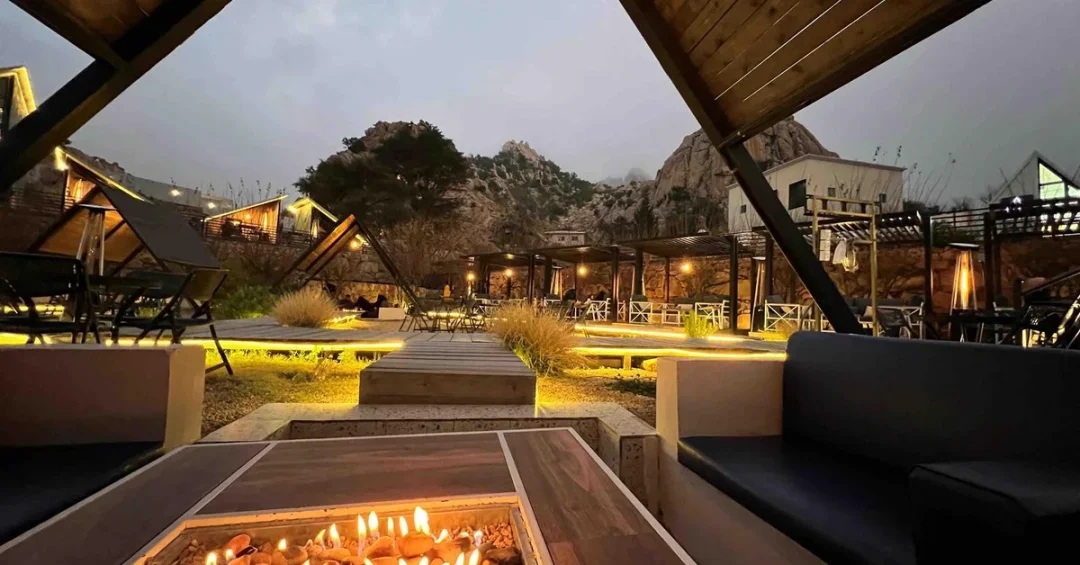
The Saudi Press Agency reports that Taif’s rural resorts have redefined the concept of place by seamlessly merging tradition with contemporary design. Inspired by the region’s rich cultural heritage, these resorts prioritize sustainability, human-centered design, and environmental consciousness. By incorporating local materials such as palm trunks, juniper, sidr, and talh, alongside eco-friendly options like clay and gypsum, these resorts create immersive experiences that reflect the area’s unique character.
Context and Background
Taif, known as the City of Roses, has long been a favored summer destination for its mild climate and stunning landscapes. Nestled amid majestic mountains and lush forests, these resorts offer tranquil retreats that evoke a sense of nostalgia. The architectural designs pay homage to the region’s history, capturing the essence of past eras while embracing modern comforts. Every inn in Taif boasts captivating beauty and strategic locations that offer breathtaking views of the surrounding natural splendor, making it a prime example of Saudi Arabia’s commitment to sustainable tourism.
Key Details
Taif’s cafés and restaurants exemplify the perfect fusion of old and new. With their blend of traditional and contemporary aesthetics, these establishments have become popular destinations for both locals and tourists. They serve as gathering places for families and friends, fostering a sense of community and cultural exchange. The region’s summer season is renowned for its diverse green spaces and gardens, providing visitors with opportunities to relax and connect with nature. This integration of hospitality and heritage is a cornerstone of Taif’s appeal.
Implications and Impact
The transformation of Taif into a sought-after tourist destination through its resorts has significant economic and cultural implications. By attracting international visitors, these resorts support local businesses and promote Saudi Arabia’s cultural identity. The focus on eco-friendly materials and human-centered design aligns with global trends in sustainable tourism, positioning Taif as a model for responsible development. This also strengthens the Kingdom’s position as a welcoming destination for travelers seeking authentic experiences.
Vision 2030 Alignment
Taif’s resorts are a clear manifestation of Saudi Arabia’s Vision 2030, which prioritizes tourism as a key sector for economic diversification and cultural preservation. By highlighting the Kingdom’s natural beauty and heritage, these resorts contribute to the national goal of attracting 150 million annual visits by 2030. Through this initiative, Saudi Arabia demonstrates its ability to blend tradition with innovation, ensuring a prosperous future for both its citizens and visitors from around the world.
20 Questions
Q1. What materials are used in Taif’s resorts?
A1. Taif’s resorts use local materials such as palm trunks, juniper, sidr, and talh, along with eco-friendly options like clay and gypsum, prioritizing sustainability.
Q2. How do Taif’s resorts blend tradition with modernity?
A2. They incorporate traditional architectural designs inspired by the region’s cultural heritage while offering modern comforts, creating immersive experiences.
Q3. What is the main appeal of Taif as a tourist destination?
A3. Taif is known for its majestic mountains, lush forests, mild summer climate, and tranquil resorts that offer breathtaking natural views.
Q4. How do Taif’s cafés and restaurants contribute to the experience?
A4. They blend traditional and contemporary aesthetics, serving as community gathering places for families and friends, fostering cultural exchange.
Q5. What role does sustainability play in Taif’s resorts?
A5. Sustainability is a core focus, with the use of eco-friendly materials and human-centered design to minimize environmental impact.
Q6. How do Taif’s resorts evoke a sense of nostalgia?
A6. The architectural designs honor the region’s history and past eras, capturing its essence and offering a serene retreat.
Q7. What types of green spaces are available in Taif?
A7. Taif offers diverse green spaces and gardens, especially during the summer, providing opportunities for relaxation and connection with nature.
Q8. How do Taif’s resorts support local culture?
A8. They use local materials and design elements that reflect Taif’s cultural heritage, promoting regional identity and craftsmanship.
Q9. What is the significance of Taif’s location?
A9. Taif is strategically located in the mountains, offering breathtaking views and a cool climate, making it an ideal summer retreat.
Q10. How do these resorts align with Saudi Arabia’s tourism goals?
A10. They support Vision 2030’s aim to diversify the economy and attract tourists, showcasing the Kingdom’s natural beauty and heritage.
Q11. What makes Taif’s resorts unique compared to others?
A11. Their seamless fusion of tradition, sustainability, and modern design, set within a stunning natural landscape, creates a distinct experience.
Q12. How do Taif’s resorts cater to international visitors?
A12. They offer authentic cultural experiences, modern amenities, and eco-friendly practices that appeal to global travelers.
Q13. What is the cultural heritage of Taif?
A13. Taif has a rich history as a city of roses and a summer capital, with deep-rooted traditions in architecture, agriculture, and hospitality.
Q14. How do the resorts foster community?
A14. Through cafés and restaurants, they serve as gathering places for families and friends, encouraging social interaction and cultural exchange.
Q15. What is the economic impact of Taif’s resorts?
A15. They boost local tourism, support small businesses, and create jobs, contributing to the economic growth of the region.
Q16. How are Taif’s resorts designed to be human-centered?
A16. The design focuses on comfort, relaxation, and immersive experiences that prioritize the well-being and needs of visitors.
Q17. What materials like juniper and sidr are used?
A17. Juniper and sidr are local trees whose wood is used in construction for its durability and traditional aesthetic.
Q18. How do Taif’s gardens enhance the visitor experience?
A18. They provide lush, serene spaces for relaxation, promoting a connection with nature and enhancing the tranquil atmosphere.
Q19. What is the role of clay and gypsum in construction?
A19. Clay and gypsum are eco-friendly materials used in building elements like walls, offering natural insulation and sustainability.
Q20. Why is Taif called the City of Roses?
A20. Taif is famous for its rose cultivation, particularly the Taif rose, which is used in perfumes and symbolizes the region’s natural beauty.
Reader Feedback
We value your thoughts. Please share your feedback on this article.
Feedback submitted successfully. Thank you.
(function(){var articleRef=window.location.pathname||window.location.href;var b=document.getElementById(‘fb-submit’);if(!b)return;b.addEventListener(‘click’,function(){var n=document.getElementById(‘fb-name’).value.trim();var m=document.getElementById(‘fb-message’).value.trim();var ok=document.getElementById(‘fb-success’);var er=document.getElementById(‘fb-error’);ok.style.display=’none’;er.style.display=’none’;if(!n||!m){er.textContent=’Name and message are required.’;er.style.display=’block’;return;}b.disabled=true;fetch(‘/api/feedback’,{method:’POST’,headers:{‘Content-Type’:’application/json’},body:JSON.stringify({name:n,message:m,article_reference:articleRef})}).then(function(r){if(!r.ok)throw new Error(‘submit failed’);return r.json();}).then(function(){ok.style.display=’block’;document.getElementById(‘fb-message’).value=”;}).catch(function(){er.textContent=’Error submitting feedback. Please try again.’;er.style.display=’block’;}).finally(function(){b.disabled=false;});});})();