


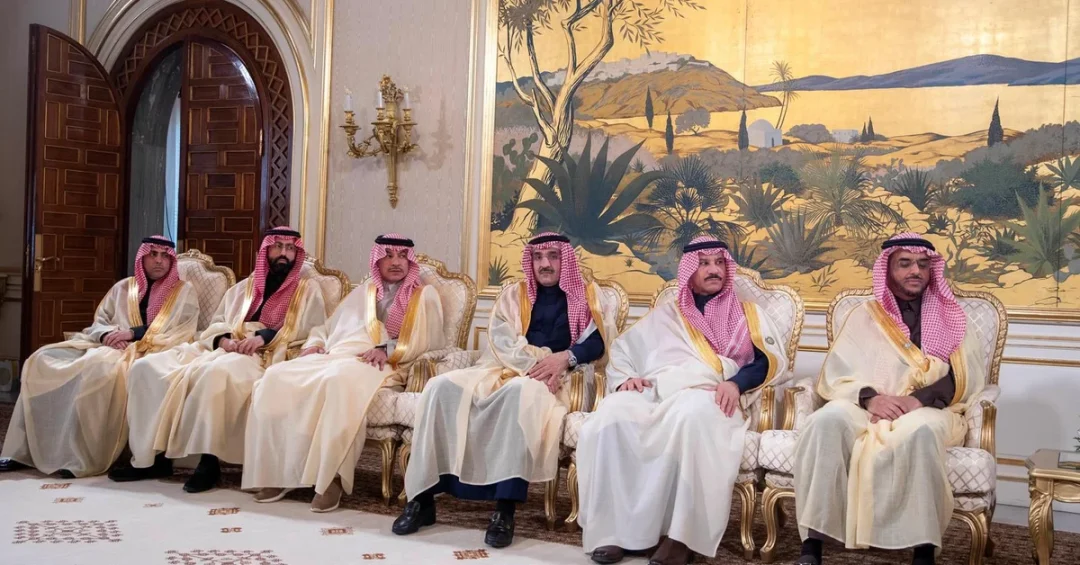
Tunisian President Kais Saied praised ongoing efforts to achieve Arab security integration during a meeting with Saudi Minister of Interior Prince Abdulaziz bin Saud bin Naif bin Abdulaziz and Arab interior ministers at the Carthage Presidential Palace in Tunis on February 16, 2025. The meeting was held on the sidelines of the 42nd session of the Council of Arab Interior Ministers, where Prince Abdulaziz serves as Honorary President. President Saied commended the Council’s work in enhancing cooperation among Arab states to address shared security challenges.
Context and Background
The Council of Arab Interior Ministers, established under the League of Arab States, serves as a key platform for coordinating security policies and joint action among member nations. The 42nd session convened in Tunis to discuss pressing regional security issues, including counterterrorism, border security, and cyber threats. Saudi Arabia’s leadership role in the Council reflects its commitment to fostering stability across the Arab world, aligned with its broader foreign policy objectives under Vision 2030.
Key Details
During the meeting, President Saied expressed his best wishes for the success of the session, hoping that its outcomes would meet the aspirations of Arab leaders and their peoples. Prince Abdulaziz, accompanied by senior Saudi security officials, reiterated the Kingdom’s dedication to supporting collective security mechanisms. The session also reviewed progress on joint security initiatives and approved recommendations to strengthen information sharing and operational coordination among Arab interior ministries.
Implications
The meeting underscores Tunisia’s recognition of Saudi Arabia’s pivotal role in regional security integration. As Arab states face evolving threats, including transnational crime and extremism, enhanced collaboration through the Council is vital. The success of the 42nd session is expected to bolster trust and operational efficiency among member states, contributing to a more secure and stable Arab region. This aligns with Saudi Arabia’s Vision 2030 goal of promoting regional peace and cooperation as a foundation for economic and social development.
Vision 2030 Alignment
Saudi Arabia’s active engagement in the Council of Arab Interior Ministers exemplifies its leadership in building a secure and integrated Arab world, a key pillar of Vision 2030. By championing collective security efforts, the Kingdom supports the vision’s broader aims of fostering a vibrant society and a thriving economy within a stable region. The outcomes of the 42nd session will further strengthen the Arab security framework, enabling member states to address challenges collaboratively and pursue shared prosperity.
20 Questions
Q1. Who did Tunisian President Kais Saied meet on February 16, 2025?
A1. President Saied met Saudi Minister of Interior Prince Abdulaziz bin Saud bin Naif bin Abdulaziz and Arab interior ministers participating in the 42nd session of the Council of Arab Interior Ministers.
Q2. Where did the meeting take place?
A2. The meeting was held at the Carthage Presidential Palace in Tunis, Tunisia.
Q3. What is the role of Prince Abdulaziz in the Council of Arab Interior Ministers?
A3. Prince Abdulaziz serves as Honorary President of the Council of Arab Interior Ministers.
Q4. What did President Saied commend during the meeting?
A4. He commended the ongoing efforts of the Council of Arab Interior Ministers to enhance security integration among Arab states.
Q5. What session of the Council was being held?
A5. The 42nd session of the Council of Arab Interior Ministers was convened in Tunis.
Q6. What did President Saied express regarding the session?
A6. He expressed his best wishes for the success of the 42nd session and hoped its outcomes would meet the aspirations of Arab leaders and their people.
Q7. What are some security issues discussed at the session?
A7. The session addressed counterterrorism, border security, and cyber threats, among other regional security challenges.
Q8. How does Saudi Arabia contribute to the Council?
A8. Saudi Arabia plays a leadership role, with Prince Abdulaziz as Honorary President, supporting collective security mechanisms and information sharing.
Q9. What is the significance of Tunisia hosting the session?
A9. Tunisia’s hosting reflects its commitment to Arab solidarity and its recognition of Saudi Arabia’s pivotal role in regional security.
Q10. How does the Council of Arab Interior Ministers function?
A10. It is a platform under the League of Arab States for coordinating security policies and joint action among member nations.
Q11. What initiatives were reviewed during the session?
A11. The session reviewed progress on joint security initiatives and approved recommendations to strengthen operational coordination.
Q12. Why is security integration important for Arab states?
A12. It helps address shared threats like transnational crime and extremism, fostering stability and trust among nations.
Q13. How does the session’s success impact regional security?
A13. It bolsters cooperation and efficiency, contributing to a more secure and stable Arab region.
Q14. What is Vision 2030’s connection to security integration?
A14. Vision 2030 promotes regional peace and cooperation as a foundation for economic and social development, supported by Saudi security leadership.
Q15. Who else accompanied Prince Abdulaziz to the meeting?
A15. Senior Saudi security officials accompanied Prince Abdulaziz during the visit.
Q16. Did President Saied express any specific hopes for the outcomes?
A16. Yes, he hoped the outcomes would meet the aspirations of Arab leaders and their people.
Q17. What is the official Saudi news agency that reported this?
A17. The Saudi Press Agency (SPA) reported the meeting.
Q18. How does this meeting align with Saudi foreign policy?
A18. It demonstrates Saudi Arabia’s commitment to fostering stability and cooperation in the Arab world.
Q19. What are the benefits of enhanced information sharing among Arab interior ministries?
A19. It improves threat detection, response times, and operational effectiveness against common security challenges.
Q20. What is the long-term goal of the Council’s efforts?
A20. The goal is to achieve comprehensive Arab security integration, enabling member states to collaboratively address threats and pursue shared prosperity.
Reader Feedback
We value your thoughts. Please share your feedback on this article.
Your feedback helps us improve our coverage.