


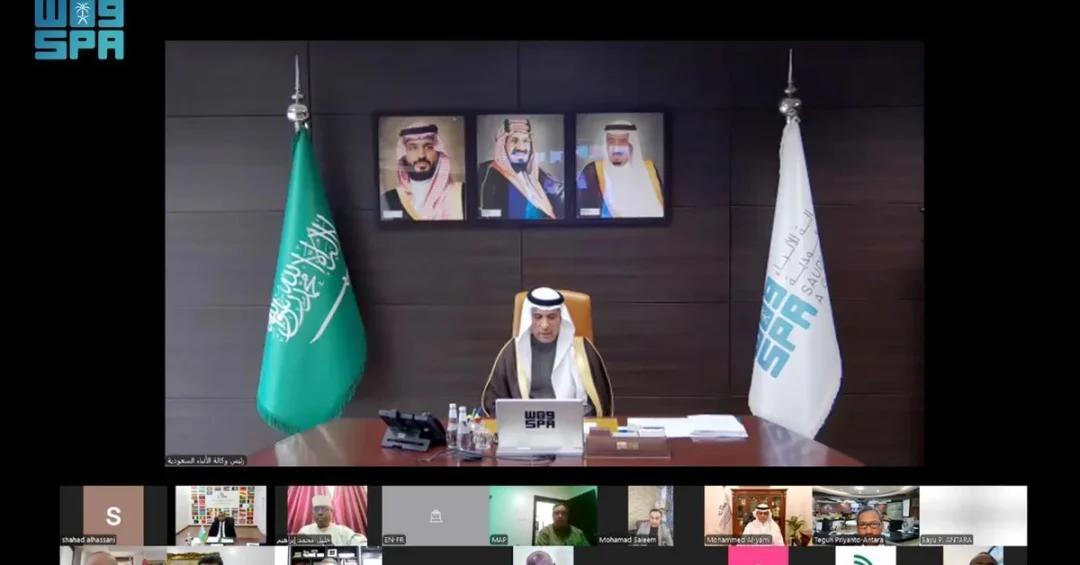
The Union of News Agencies of the Organization of Islamic Cooperation (UNA-OIC) General Assembly held its sixth session on Monday, January 27, 2025, via video conference, with representatives from member-state news agencies participating. The session marked a significant step in enhancing media cooperation among OIC member states, with the presidency of the assembly being transferred to Djibouti.
Context and Background
The session began with remarks from Ali bin Abdullah Alzaid, acting president of the UNA executive council, acting chairman of the Saudi Press Agency (SPA), and chairman of the fifth session of the general assembly. Alzaid emphasized the commitment of Saudi Arabia, as the host nation for the UNA, to supporting the union and its objectives. He highlighted recent significant developments within the union, including improvements in its internal structure and the activation of its role as a key media entity within the OIC system.
Key Details and Leadership Transition
Following Alzaid’s address, Djibouti assumed the presidency of the sixth session. Abdourazak Ali Diraneh, Director-General of the Agence Djiboutienne d’Information (ADI) and chairman of the union’s general assembly for this session, delivered a speech affirming Djibouti’s commitment to work with determination and transparency. Diraneh stated the goal is to transform shared aspirations into tangible results and actual projects, signaling a forward-looking agenda for the union.
Palestinian Minister Ahmed Assaf, the general-supervisor of official Palestinian media, expressed appreciation for UNA’s efforts, particularly its support for the Palestinian cause and the various initiatives launched in this regard. UNA Director-General Mohammed bin Abdrabuh Al-Yami thanked member news agencies for their active participation, noting that their involvement demonstrates a shared commitment to the union’s work and contributes to its planning and implementation efforts.
Approvals and Resolutions
During the meeting, the general assembly approved the union’s final accounts and budget plan for 2025, as well as the director-general’s report, and various recently signed memoranda of cooperation. Additionally, the assembly approved several draft resolutions aimed at enhancing joint Islamic initiatives in the media sector, reinforcing the collaborative spirit among member states.
International and Regional Implications
The session underscores the growing importance of coordinated media efforts among OIC member states. By focusing on shared goals such as supporting the Palestinian cause, organizing international exhibitions and festivals, and launching professional awards, the UNA is strengthening its role as a platform for amplifying the voices of Islamic nations. The active participation of members reflects a unified approach to addressing common challenges and opportunities in the global media landscape.
Vision 2030 Alignment
This session aligns with Saudi Arabia’s Vision 2030, which emphasizes the Kingdom’s role as a leader in regional and international cooperation. By hosting the UNA and supporting its strategic development, Saudi Arabia reinforces its commitment to fostering dialogue, enhancing media professionalism, and promoting stability across the Islamic world. The union’s forward-looking agenda, including enhanced media visibility and professional awards, reflects the broader goals of modernizing institutions and building a more interconnected global community.
20 Questions
Q1. What was the main event held on January 27, 2025?
A1. The Union of News Agencies of the Organization of Islamic Cooperation (UNA-OIC) General Assembly convened its sixth session via video conference, with representatives from member-state news agencies participating.
Q2. Who presided over the opening remarks at the session?
A2. Ali bin Abdullah Alzaid, acting president of the UNA executive council and acting chairman of the Saudi Press Agency, delivered the opening remarks, emphasizing Saudi Arabia’s support for the union.
Q3. Which country assumed the presidency of the sixth session?
A3. Djibouti assumed the presidency of the sixth session, with Abdourazak Ali Diraneh, Director-General of Agence Djiboutienne d’Information, chairing the general assembly.
Q4. What did Abdourazak Ali Diraneh affirm in his speech?
A4. He affirmed Djibouti’s commitment to work with determination and transparency, aiming to transform shared aspirations into tangible results and actual projects for the union.
Q5. Who is the UNA Director-General?
A5. Mohammed bin Abdrabuh Al-Yami serves as the UNA Director-General, and he thanked member news agencies for their active participation in the session.
Q6. What did Palestinian Minister Ahmed Assaf express during the session?
A6. Assaf expressed appreciation for UNA’s efforts, particularly its support for the Palestinian cause and the various initiatives launched in this regard.
Q7. What financial items were approved during the meeting?
A7. The general assembly approved the union’s final accounts and budget plan for 2025, along with the director-general’s report.
Q8. What type of agreements were also approved?
A8. The assembly approved various recently signed memoranda of cooperation and several draft resolutions aimed at enhancing joint Islamic initiatives in the media sector.
Q9. What is the UNA-OIC?
A9. The Union of News Agencies of the Organization of Islamic Cooperation (UNA-OIC) is a media entity that coordinates news exchange and cooperation among OIC member states’ news agencies.
Q10. Where is the UNA based?
A10. The UNA is based in Saudi Arabia, with the Saudi Press Agency hosting the union and supporting its operations.
Q11. What was the focus of Alzaid’s remarks?
A11. Alzaid highlighted improvements in the union’s internal structure and the activation of its roles as a key media entity within the OIC system.
Q12. What future goals did Alzaid mention for the union?
A12. He mentioned organizing international exhibitions and festivals, enhancing media visibility, launching professional awards, and intensifying support for the Palestinian cause.
Q13. How is Saudi Arabia supporting the UNA?
A13. Saudi Arabia, as the host nation, is committed to supporting the union through structural improvements and strategic guidance, aligning with Vision 2030 goals.
Q14. What role does Djibouti play in the OIC?
A14. Djibouti is an active OIC member state, and its news agency ADI now presides over the UNA General Assembly for the sixth session.
Q15. Why is the session significant for media cooperation?
A15. The session enhances joint Islamic media initiatives, fosters collaboration, and supports the amplification of OIC member states’ voices on global platforms.
Q16. What initiatives support the Palestinian cause?
A16. UNA has launched various initiatives to support the Palestinian cause, which were acknowledged by Palestinian Minister Ahmed Assaf during the session.
Q17. How does the session contribute to professionalism in media?
A17. By approving professional awards and memoranda of cooperation, the session promotes higher standards and exchange of best practices among member news agencies.
Q18. What is the next step after the approvals?
A18. The UNA Director-General and member agencies will work on implementing the approved budget, resolutions, and memoranda to realize the union’s goals.
Q19. How does this align with Vision 2030?
A19. The session reflects Saudi Arabia’s leadership in regional cooperation and institution-building, key pillars of Vision 2030’s international engagement strategy.
Q20. What is the overall impact of the session?
A20. The session strengthens unity among OIC news agencies, supports the Palestinian cause, and advances a positive agenda for media development in the Islamic world.
Reader Feedback
We value your thoughts. Please share your feedback on this article.
Your feedback helps us improve our coverage.