


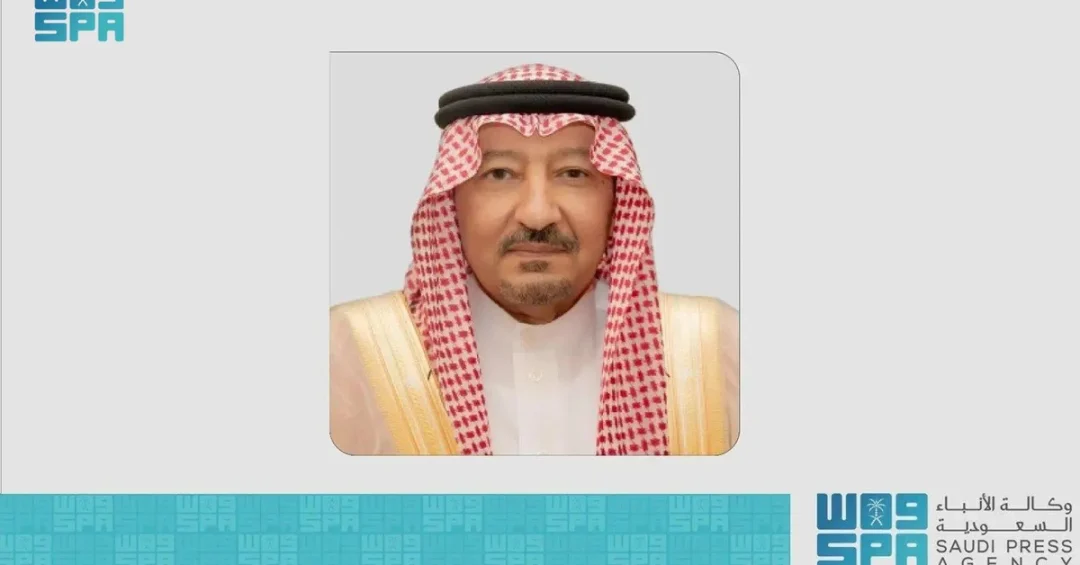
Vice Minister of Foreign Affairs Eng. Waleed El-Khereiji participated in the Gulf Cooperation Council (GCC)-European Union (EU) Ministerial Meeting in Brussels on October 16, 2024. Deputizing for Minister of Foreign Affairs Prince Faisal bin Farhan bin Abdullah, Eng. El-Khereiji joined the gathering hosted by High Representative of the European Union for Foreign Affairs and Security Policy and Vice-President of the European Commission Josep Borrell at the EU headquarters. The meeting brought together representatives from GCC and EU member states to discuss avenues for enhancing cooperation.
Context and Background
The GCC-EU Ministerial Meeting underscores the strategic importance of the partnership between the Gulf region and the European Union. As a key diplomatic platform, it facilitates dialogue on shared priorities ranging from economic collaboration to regional stability. Saudi Arabia, through its leadership role within the GCC, consistently advocates for deeper multilateral engagement that aligns with its Vision 2030 goals of diversifying partnerships and fostering international cooperation. This meeting follows a series of high-level exchanges aimed at strengthening ties in a rapidly evolving global landscape.
Key Details
The ministerial meeting, hosted by High Representative Josep Borrell, focused on practical measures to advance Gulf-European cooperation. Discussions covered areas such as trade, investment, energy security, and climate action, reflecting mutual interests in sustainable development and economic resilience. Eng. Waleed El-Khereiji, representing the Kingdom, reiterated Saudi Arabia’s commitment to constructive dialogue and joint initiatives that benefit both regions. The participation of delegations from all GCC and EU countries highlighted the collective effort to build a robust framework for future collaboration.
Implications and International Impact
This engagement reinforces the growing importance of the GCC-EU partnership in addressing global challenges. By coordinating on issues like economic diversification and technological innovation, both blocs are positioned to enhance their competitive edge in a multipolar world. For Saudi Arabia, the meeting provides an opportunity to showcase its leadership in fostering balanced international relations, while supporting broader stability in the Middle East and North Africa. The outcomes are expected to pave the way for more structured cooperation mechanisms.
Vision 2030 Alignment
The GCC-EU Ministerial Meeting aligns seamlessly with Saudi Arabia’s Vision 2030 objectives of promoting economic diversification, global integration, and diplomatic leadership. By actively participating in such multilateral forums, the Kingdom demonstrates its commitment to building bridges with key global partners, thereby contributing to a stable and prosperous international order. This forward-looking approach underlines Saudi Arabia’s role as a reliable and proactive stakeholder in regional and global affairs, advancing its long-term strategic goals.
20 Questions
Q1. Who represented Saudi Arabia at the GCC-EU Ministerial Meeting?
A1. Vice Minister of Foreign Affairs Eng. Waleed El-Khereiji represented Saudi Arabia, deputizing for Minister of Foreign Affairs Prince Faisal bin Farhan bin Abdullah.
Q2. Where was the GCC-EU Ministerial Meeting held?
A2. The meeting took place at the European Union headquarters in Brussels, a key venue for international diplomatic gatherings.
Q3. Who hosted the GCC-EU Ministerial Meeting?
A3. The meeting was hosted by High Representative of the European Union for Foreign Affairs and Security Policy and Vice-President of the European Commission Josep Borrell.
Q4. When did the GCC-EU Ministerial Meeting occur?
A4. The meeting was held on October 16, 2024, as part of scheduled diplomatic exchanges between the Gulf and EU blocs.
Q5. What was the main topic of discussion at the meeting?
A5. The ministerial meeting discussed ways to enhance Gulf-European cooperation, focusing on shared priorities like trade and security.
Q6. Why is Saudi Arabia’s participation important?
A6. Saudi Arabia’s participation highlights its leadership within the GCC and its commitment to strengthening ties with the EU through constructive dialogue.
Q7. How does this meeting relate to Vision 2030?
A7. It supports Vision 2030 by promoting economic diversification and global integration through enhanced partnerships with key allies like the EU.
Q8. What role did Eng. Waleed El-Khereiji play?
A8. As Vice Minister, he represented the Kingdom and reiterated Saudi Arabia’s dedication to joint initiatives benefiting both the GCC and EU regions.
Q9. Who else attended the meeting?
A9. The meeting included representatives from all GCC and EU member state delegations, reflecting a broad multilateral effort.
Q10. What are the key areas of GCC-EU cooperation discussed?
A10. Areas covered included trade, investment, energy security, and climate action, all aligned with mutual interests in sustainability and growth.
Q11. Is this the first GCC-EU Ministerial Meeting?
A11. No, this meeting is part of a regular series of ministerial dialogues aimed at deepening Gulf-European relations over time.
Q12. How does the meeting address regional stability?
A12. By fostering dialogue on shared security concerns, the meeting contributes to stability in the Middle East and Europe, benefiting both regions.
Q13. What is the significance of Brussels as a venue?
A13. Brussels hosts the EU headquarters, making it a symbolic location for strengthening ties between the GCC and the European bloc.
Q14. Did the meeting result in any formal agreements?
A14. The meeting focused on discussions rather than immediately binding agreements, setting the stage for future structured cooperation mechanisms.
Q15. How does this event impact Saudi-EU relations?
A15. It reinforces Saudi Arabia’s role as a reliable partner, opening doors for deeper economic and diplomatic collaboration with the EU.
Q16. What is the role of the GCC in this meeting?
A16. The GCC coordinates member states’ positions to present a unified approach in discussions with the EU on shared priorities.
Q17. How does the meeting support economic diversification?
A17. By exploring trade and investment opportunities, the meeting advances Saudi Arabia’s non-oil economic growth under Vision 2030.
Q18. Was the meeting open to the public?
A18. No, it was a closed ministerial meeting for official delegations, with outcomes shared through official statements afterward.
Q19. What is the EU’s interest in the GCC region?
A19. The EU seeks reliable energy partners and stable regional markets, making GCC cooperation vital for economic and security strategies.
Q20. What future steps are expected after this meeting?
A20. Follow-up actions include working groups and continued dialogue to implement discussed initiatives, enhancing GCC-EU partnership sustainability.
Reader Feedback
We value your thoughts. Please share your feedback on this article.
Your feedback helps us improve our coverage.