


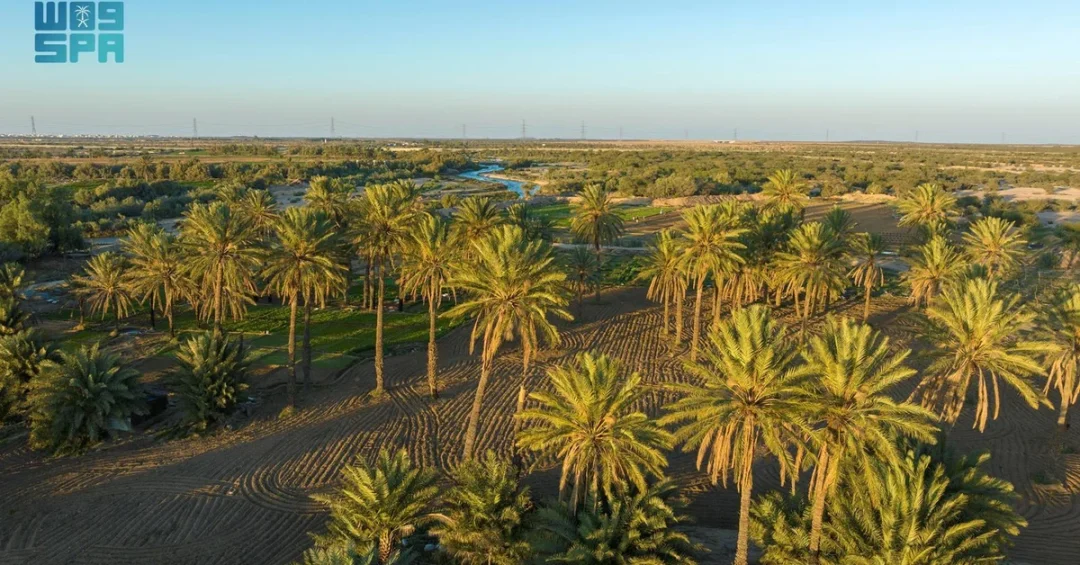
Wadi Al-Arj in Taif Governorate offers visitors a unique blend of stunning geography, rich cultural history, and diverse wildlife. According to the Saudi Press Agency (SPA), the valley stretches 47 kilometers and is surrounded by key attractions such as the historic Marwan Castle and the famous Crown Prince Camel Festival. It is known for its lush orchards, abundant with fruits and grains, palm-covered pastures, and ancient rock carvings left by past civilizations.
Context and Background
Taif, a city in the Makkah Province, is renowned for its temperate climate and natural beauty. Wadi Al-Arj exemplifies the region’s commitment to preserving natural heritage while promoting sustainable tourism. The valley’s ecosystems include shrubs and iconic trees such as Talh, Sidr, and Juniper, which are native to the area and support a variety of wildlife. This blend of nature and history makes Wadi Al-Arj an ideal ecotourism, leisure, and cultural exploration destination.
Key Details
Wadi Al-Arj’s 47-kilometer stretch encompasses diverse attractions. Marwan Castle, a historic fortress, offers insights into the region’s past, while the Crown Prince Camel Festival highlights traditional Saudi culture and modern sporting events. Ancient rock carvings along the valley provide tangible links to civilizations that once thrived here. The valley’s agricultural wealth includes orchards producing fruits and grains, contributing to local livelihoods and food security.
Implications and Impact
The development of Wadi Al-Arj as a tourist destination aligns with Saudi Arabia’s broader strategy to diversify its economy beyond oil. By promoting ecotourism and cultural heritage, the Kingdom aims to attract international visitors seeking authentic experiences. This initiative also supports local communities by creating jobs and preserving traditional practices. The integration of historical sites and natural attractions enhances Taif’s profile as a year-round destination.
Vision 2030 Alignment
Wadi Al-Arj’s development directly supports Vision 2030 objectives by promoting tourism, preserving cultural heritage, and fostering economic diversification. The valley’s natural and historical assets are being leveraged to create sustainable tourism opportunities that benefit local communities and showcase Saudi Arabia’s rich heritage to the world. This project exemplifies the Kingdom’s commitment to balancing modernization with cultural preservation, a cornerstone of Vision 2030.
20 Questions
Q1. What is Wadi Al-Arj?
A1. Wadi Al-Arj is a valley in Taif Governorate, Saudi Arabia, known for its stunning geography, rich cultural history, and diverse wildlife and plants.
Q2. How long is Wadi Al-Arj?
A2. Wadi Al-Arj stretches 47 kilometers, making it a significant natural landmark in the Taif region.
Q3. What attractions surround Wadi Al-Arj?
A3. Key attractions include the historic Marwan Castle and the famous Crown Prince Camel Festival.
Q4. What types of trees are found in Wadi Al-Arj?
A4. Iconic trees include Talh, Sidr, and Juniper, along with various shrubs native to the area.
Q5. What wildlife can be seen in Wadi Al-Arj?
A5. The valley hosts diverse wildlife, supported by its lush vegetation and varied ecosystems.
Q6. What ancient features are found in Wadi Al-Arj?
A6. Ancient rock carvings left by past civilizations are present, offering historical insights.
Q7. Is Wadi Al-Arj suitable for ecotourism?
A7. Yes, it is an ideal destination for ecotourism, leisure, and cultural exploration.
Q8. What agricultural products are grown in Wadi Al-Arj?
A8. The valley’s orchards produce fruits and grains, and its pastures are palm-covered.
Q9. Who announced the features of Wadi Al-Arj?
A9. The information was released by the Saudi Press Agency (SPA) in February 2025.
Q10. What is Marwan Castle?
A10. Marwan Castle is a historic fortress located near Wadi Al-Arj, reflecting the region’s cultural heritage.
Q11. What is the Crown Prince Camel Festival?
A11. It is a famous event highlighting traditional Saudi culture and camel racing, held near Wadi Al-Arj.
Q12. How does Wadi Al-Arj support Vision 2030?
A12. By promoting tourism, preserving heritage, and fostering economic diversification, it aligns with Vision 2030 goals.
Q13. What is the significance of Talh trees?
A13. Talh is a native tree species in Saudi Arabia, adapted to arid conditions and important for local ecosystems.
Q14. What is the role of Sidr trees?
A14. Sidr trees are culturally and ecologically significant, providing shade and fruit.
Q15. Why are Juniper trees important?
A15. Juniper trees are common in the Taif region, contributing to biodiversity and landscape beauty.
Q16. How does Wadi Al-Arj benefit local communities?
A16. It creates economic opportunities through tourism and supports agricultural livelihoods.
Q17. What type of tourism does Wadi Al-Arj aim to attract?
A17. It aims to attract ecotourists, history enthusiasts, and leisure travelers seeking authentic experiences.
Q18. Is Wadi Al-Arj easily accessible?
A18. Being part of Taif Governorate, it is accessible via regional roads and is promoted as a tourist destination.
Q19. What makes Wadi Al-Arj unique?
A19. Its combination of natural beauty, historical sites, and cultural events offers a rare blend of attractions.
Q20. How can visitors learn more about Wadi Al-Arj?
A20. Visitors can check official Saudi tourism websites and SPA releases for updated information and travel guides.
Reader Feedback
We value your thoughts. Please share your feedback on this article.
Your feedback helps us improve our coverage.