


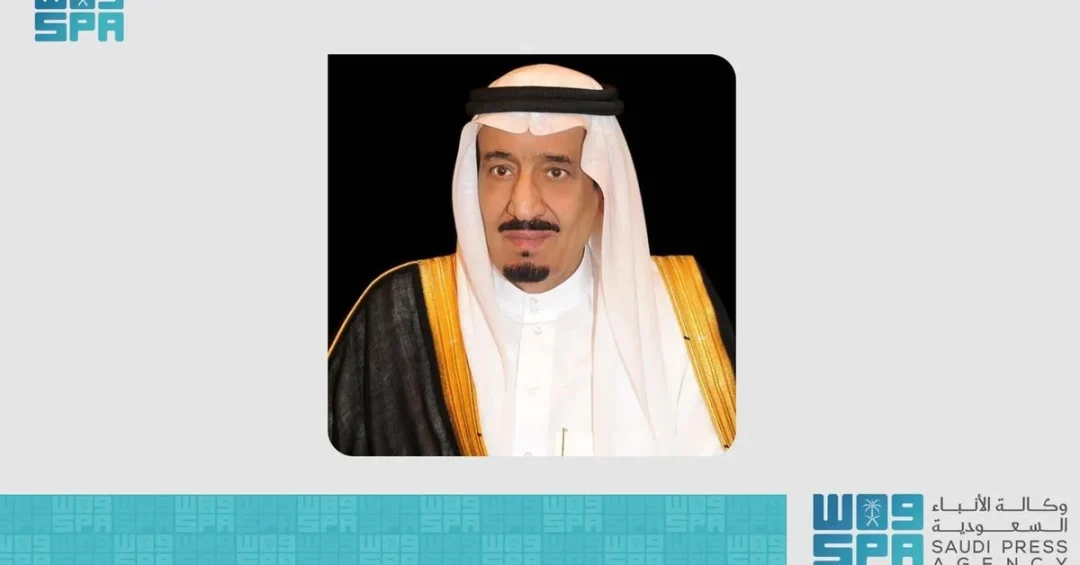
Custodian of the Two Holy Mosques King Salman bin Abdulaziz Al Saud has approved the awarding of the King Abdulaziz Medal, Third Class, to 200 Saudi citizens in recognition of their life-saving organ donations, the Saudi Press Agency reported on September 8, 2024. The honorees include both living donors and families of brain-dead donors who consented to organ donation, underscoring the Kingdom’s commitment to promoting a culture of giving and advancing healthcare outcomes.
Context and Background
The King Abdulaziz Medal is one of Saudi Arabia’s highest civilian honors, bestowed upon individuals who have made exceptional contributions to the nation. This royal recognition highlights the growing importance of organ donation in the Kingdom, where demand for transplants continues to rise. The Saudi Center for Organ Transplantation (SCOT), under the Ministry of Health, oversees the national program, which operates in accordance with Islamic principles and international medical standards. Over the years, awareness campaigns and fatwas from senior scholars have encouraged organ donation as an act of charity and a means to save lives.
The award also reflects the Kingdom’s broader efforts to enhance its healthcare sector, a key pillar of Saudi Vision 2030. By honoring donors, the government aims to inspire more citizens to register as organ donors, thereby reducing waiting lists and improving patient outcomes. This initiative aligns with the Vision’s goals of fostering a vibrant society and delivering high-quality healthcare services.
Key Details
The 200 medal recipients were selected based on their selfless contributions to organ donation. Living donors underwent major surgery to donate kidneys or portions of their liver, while brain-dead donors’ families made the courageous decision to donate multiple organs, including hearts, lungs, and corneas. The awards were granted by royal decree, and recipients will receive the medal in ceremonies organized by the Ministry of Health and SCOT.
Dr. Faisal bin Abdulrahman Al-Shaaban, Director of SCOT, praised the donors, stating that their actions exemplify the highest humanitarian values and contribute significantly to saving lives. He noted that the number of organ donations in Saudi Arabia has increased steadily, thanks to heightened public awareness and supportive government policies. The medal serves as a national token of gratitude and a catalyst for further participation.
Implications and Impact
This recognition is expected to have a profound impact on organ donation rates in Saudi Arabia. By publicly honoring donors, the government sends a powerful message that organ donation is a noble and patriotic act. It also strengthens trust in the national transplant system, encouraging more individuals and families to consider donation. The move aligns with global best practices, where public recognition often boosts donor registration.
On the international stage, Saudi Arabia’s organ donation program demonstrates its leadership in healthcare innovation and humanitarian values. The Kingdom’s success in increasing donation rates can serve as a model for other countries in the region. Furthermore, the royal award enhances Saudi Arabia’s image as a compassionate nation committed to saving lives, in line with its Vision 2030 objective to be a global leader in various fields.
Vision 2030 Alignment
The honoring of these 200 organ donors directly supports Saudi Vision 2030’s goals of improving healthcare quality and fostering a compassionate society. By celebrating these heroes, the Kingdom reinforces its commitment to enhancing the well-being of its citizens and residents. As Saudi Arabia continues to advance its healthcare infrastructure and promote altruistic values, initiatives like this will play a crucial role in achieving a healthier, more vibrant nation. The medals not only recognize past contributions but also inspire future generations to embrace the spirit of giving, further solidifying the Kingdom’s position as a global humanitarian leader.
20 Questions
Q1. What is the King Abdulaziz Medal, Third Class?
A1. The King Abdulaziz Medal is a prestigious Saudi civilian honor awarded for exceptional contributions to the nation. The Third Class is granted for significant achievements, including life-saving organ donation, as recognized by royal decree.
Q2. Who approved the awarding of the medals?
A2. Custodian of the Two Holy Mosques King Salman bin Abdulaziz Al Saud approved the awarding of the medals to 200 Saudi citizens, as reported by the Saudi Press Agency on September 8, 2024.
Q3. How many Saudis received the medal?
A3. A total of 200 Saudi citizens were awarded the King Abdulaziz Medal, Third Class, for their organ donations, including both living donors and families of brain-dead donors.
Q4. What types of organ donations were recognized?
A4. The donations included organs from living donors, such as kidneys and liver portions, and from brain-dead donors, such as hearts, lungs, and corneas. These donations save lives and improve health outcomes.
Q5. Why is organ donation important in Saudi Arabia?
A5. Organ donation is crucial to meet the growing demand for transplants, reduce waiting lists, and save lives. It aligns with Islamic principles of charity and is supported by the government and religious authorities.
Q6. Which organization oversees organ transplantation in Saudi Arabia?
A6. The Saudi Center for Organ Transplantation (SCOT), under the Ministry of Health, oversees the national program, ensuring adherence to Islamic principles and international medical standards.
Q7. How does this recognition impact organ donation rates?
A7. Public recognition encourages more individuals and families to consider donation, boosts trust in the transplant system, and is expected to increase donor registration and donation rates in the Kingdom.
Q8. What is the significance of the royal decree?
A8. The royal decree underscores the government’s appreciation for donors’ altruism and highlights organ donation as a patriotic act, reinforcing national values and promoting a culture of giving.
Q9. Are there religious rulings supporting organ donation in Saudi Arabia?
A9. Yes, senior scholars have issued fatwas permitting organ donation as an act of charity, provided it complies with Islamic ethical guidelines, which has helped increase acceptance among the public.
Q10. How does this initiative align with Saudi Vision 2030?
A10. The initiative supports Vision 2030’s goals of enhancing healthcare quality and fostering a vibrant society. It promotes altruism and improves health services, contributing to a healthier nation.
Q11. What role does the Ministry of Health play in organ donation?
A11. The Ministry of Health, through SCOT, manages the national transplant program, raises awareness, ensures ethical practices, and organizes ceremonies to honor donors and their families.
Q12. How are recipients of the medal selected?
A12. Recipients are selected based on their selfless donations, with cases reviewed by relevant health authorities. The selection process ensures that only deserving individuals are honored.
Q13. What is the expected impact on waiting lists for transplants?
A13. By encouraging more donations, the initiative aims to reduce waiting lists and timings for patients in need of organs, ultimately saving more lives and improving health outcomes.
Q14. How does Saudi Arabia compare to other countries in organ donation?
A14. Saudi Arabia has made significant strides, with donation rates increasing due to awareness campaigns and government support. It serves as a model for other nations in the region.
Q15. What message does this award send to the international community?
A15. It showcases Saudi Arabia’s commitment to humanitarian values and healthcare excellence, enhancing its global image as a compassionate nation dedicated to saving lives.
Q16. Can non-Saudis receive the King Abdulaziz Medal?
A16. The medal is primarily for Saudi citizens, but foreigners may receive other forms of recognition. This specific award honors Saudis for their organ donations.
Q17. How does organ donation reflect Islamic values?
A17. Organ donation is considered a charitable act that saves lives, consistent with Islamic teachings on compassion and altruism. It is encouraged by scholars as a way to fulfill the principle of preserving life.
Q18. What steps are taken to ensure ethical organ donation?
A18. SCOT follows strict guidelines, including informed consent, medical suitability, and adherence to Islamic law. Ethical oversight ensures transparency and protects donor rights.
Q19. How can individuals register as organ donors in Saudi Arabia?
A19. Individuals can register through the SCOT website or app, or by contacting healthcare providers. Awareness campaigns provide information on the process and its importance.
Q20. What future initiatives are planned to promote organ donation?
A20. Continued awareness campaigns, improved infrastructure, and partnerships with religious and community leaders are planned to further increase donation rates and save more lives.
Reader Feedback
We value your thoughts. Please share your feedback on this article.
Your feedback helps us improve our coverage.