


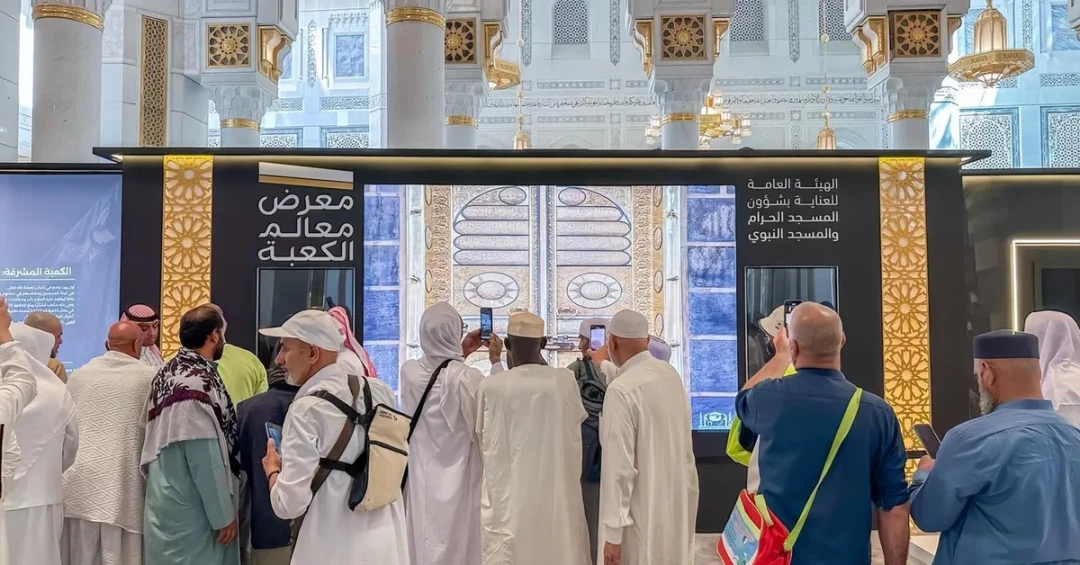
The Ministry of Islamic Affairs, Dawah and Guidance, which oversees the Custodian of the Two Holy Mosques Guests Program for Hajj, is providing round-the-clock medical care to pilgrims through integrated clinics staffed with specialized doctors and equipped with advanced diagnostic and treatment technology. The initiative, announced via the Saudi Press Agency, reflects the Kingdom’s commitment to ensuring the health and well-being of guests throughout their pilgrimage journey.
Context and Background
The Custodian of the Two Holy Mosques Guests Program for Hajj is a longstanding initiative that hosts thousands of pilgrims annually, allowing them to perform Hajj with ease and comfort. Managed by the Ministry of Islamic Affairs, Dawah and Guidance, the program covers travel, accommodation, and now comprehensive healthcare. This year, the ministry has expanded its medical services to include 24/7 clinics located near pilgrim residences, ensuring immediate access to care. The program aligns with Saudi Arabia’s broader efforts to enhance the Hajj experience, a key pillar of Vision 2030’s goal to serve the increasing number of pilgrims.
Key Details
The clinics are equipped with state-of-the-art therapeutic and diagnostic emergency equipment, as well as a full stock of preventive and therapeutic medications. Doctors examine pilgrims, provide necessary and urgent care, dispense appropriate medications, and monitor chronic conditions such as diabetes and blood pressure. Healthcare professionals also conduct awareness sessions on health issues relevant to Hajj, promoting healthy practices for a safe and fulfilling pilgrimage. Ambulances are on standby to transport critical cases to hospitals, ensuring seamless transition to further care provided by the Ministry of Health. Pilgrims have expressed appreciation for the support, allowing them to focus on their spiritual duties with greater peace of mind.
Implications and Impact
This initiative underscores Saudi Arabia’s leadership in managing large-scale religious gatherings with a focus on health and safety. By providing comprehensive medical services, the Kingdom not only protects pilgrims but also enhances its reputation as a compassionate host. The program’s success contributes to the broader goal of improving the Hajj experience, which is central to Saudi Arabia’s religious tourism strategy. Furthermore, it demonstrates the integration between various government entities, such as the Ministry of Islamic Affairs and the Ministry of Health, to deliver essential services efficiently.
Vision 2030 Alignment
The Custodian of the Two Holy Mosques Guests Program reflects Vision 2030’s objectives of serving pilgrims and enhancing the quality of life for all visitors. By prioritizing healthcare, the Kingdom ensures that pilgrims can perform their rituals safely, reinforcing Saudi Arabia’s role as the leading destination for Islamic pilgrimage. This initiative also supports the vision’s aim to increase the capacity of the Grand Mosque and improve services, contributing to a more sustainable and enriching Hajj experience for years to come.
20 Questions
Q1. What is the Custodian of the Two Holy Mosques Guests Program for Hajj?
A1. It is a program overseen by the Ministry of Islamic Affairs, Dawah and Guidance that hosts pilgrims for Hajj, providing travel, accommodation, and comprehensive services including healthcare, ensuring a fulfilling pilgrimage experience.
Q2. Which ministry oversees the Custodian of the Two Holy Mosques Guests Program for Hajj?
A2. The Ministry of Islamic Affairs, Dawah and Guidance oversees the program, ensuring that pilgrims receive the highest level of care and support throughout their Hajj journey.
Q3. What medical services are provided to pilgrims in the program?
A3. The program offers integrated medical clinics with emergency equipment, preventive and therapeutic medications, chronic disease monitoring, health awareness sessions, and ambulance services for critical cases.
Q4. How do the medical clinics operate during Hajj?
A4. The clinics operate 24/7, offering easy access for pilgrims residing nearby. Doctors are available at all hours to examine pilgrims, provide urgent care, and dispense medications as needed.
Q5. What chronic conditions are monitored by the clinics?
A5. Doctors monitor chronic health conditions such as diabetes and blood pressure, ensuring that pilgrims with pre-existing conditions receive appropriate care and management during their pilgrimage.
Q6. Are ambulances available for emergencies?
A6. Yes, ambulances are readily available to transport critical cases to hospitals, ensuring a smooth transition to further medical care provided by the Ministry of Health.
Q7. How have pilgrims responded to these healthcare services?
A7. Pilgrims have expressed appreciation for the support, noting that it allows them to focus on their spiritual duties and perform their Hajj rituals with greater ease and peace of mind.
Q8. What role does the Ministry of Health play in this initiative?
A8. The Ministry of Health provides further medical care for critical cases transferred from the clinics, ensuring that pilgrims receive specialized treatment at hospitals when needed.
Q9. Are the clinics equipped with advanced diagnostic tools?
A9. Yes, the clinics are equipped with state-of-the-art therapeutic and diagnostic emergency equipment, enabling doctors to provide accurate diagnoses and effective treatments promptly.
Q10. How does this program align with Saudi Vision 2030?
A10. It aligns with Vision 2030’s goals to enhance the quality of life for pilgrims, improve Hajj services, and reinforce Saudi Arabia’s role as the leading destination for Islamic pilgrimage.
Q11. What health awareness topics are covered by healthcare professionals?
A11. Healthcare professionals raise awareness of health issues relevant to Hajj, promoting healthy practices such as hydration, hygiene, and preventive measures to ensure a safe and fulfilling pilgrimage.
Q12. How can pilgrims access these medical services?
A12. Pilgrims residing nearby can easily access the clinics, which are open 24/7. They can walk in for examinations, urgent care, and medication without prior appointment.
Q13. Is there a cost for pilgrims to use these medical services?
A13. No, the medical services are provided free of charge as part of the Custodian of the Two Holy Mosques Guests Program, ensuring that all pilgrims receive necessary care regardless of their financial situation.
Q14. What medications are available at the clinics?
A14. The clinics maintain a full stock of preventive and therapeutic medications, covering common ailments, chronic disease management, and emergency treatments, ensuring comprehensive pharmaceutical support.
Q15. How does the program ensure continuity of care for chronic patients?
A15. Doctors monitor chronic conditions regularly, adjust medications as needed, and coordinate with hospitals for specialized care, ensuring continuity and preventing complications during Hajj.
Q16. What measures are taken to handle medical emergencies during peak times?
A16. During peak times, additional medical staff and ambulances are deployed. The clinics coordinate with the Ministry of Health to ensure rapid response and efficient management of emergencies.
Q17. Are there female healthcare professionals available for female pilgrims?
A17. Yes, the program ensures that female healthcare professionals are available to attend to female pilgrims, respecting cultural sensitivities and providing comfortable care.
Q18. How does the program contribute to the overall Hajj experience?
A18. By prioritizing health, the program allows pilgrims to focus on their spiritual journey without worrying about medical issues, thereby enhancing the overall Hajj experience and ensuring a peaceful pilgrimage.
Q19. What feedback has the ministry received from pilgrims regarding the medical services?
A19. Pilgrims have provided positive feedback, expressing gratitude for the support and care they receive, which enables them to perform their rituals with greater ease and peace of mind.
Q20. How can other countries learn from this healthcare model?
A20. Other countries can learn from Saudi Arabia’s integrated approach, which combines government coordination, advanced medical technology, and compassionate care to manage large-scale events effectively and ensure participant well-being.
Reader Feedback
We value your thoughts. Please share your feedback on this article.
Your feedback helps us improve our coverage.