


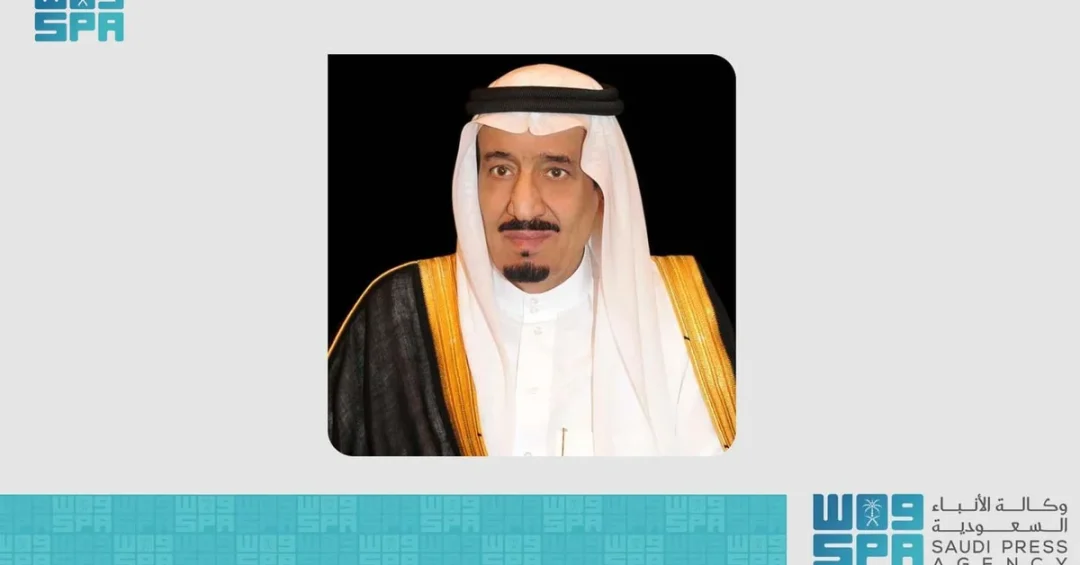
Custodian of the Two Holy Mosques King Salman bin Abdulaziz Al Saud has approved the awarding of the Merit Medal of the Third Class to 50 residents of Saudi Arabia in recognition of their exceptional commitment to public health through the donation of blood ten times. The royal approval, announced via the Saudi Press Agency on July 2, 2024, underscores the Kingdom’s deep appreciation for individuals who contribute to the well-being of society and highlights the importance of voluntary blood donation in saving lives.
Context and Background
Saudi Arabia has long prioritized the health and safety of its citizens and residents, with a robust healthcare system that relies on voluntary blood donation to maintain adequate supplies for emergencies, surgeries, and chronic conditions. The Merit Medal of the Third Class is a prestigious national honor conferred by royal decree, typically awarded to individuals who have demonstrated exceptional service or sacrifice. This particular award specifically recognizes residents—non-Saudi nationals living in the Kingdom—who have donated blood ten times, a testament to their integration and contribution to Saudi society.
The timing of this announcement aligns with ongoing efforts to promote altruism and community solidarity, particularly during periods when blood banks face shortages. By honoring these 50 individuals, the Kingdom sends a powerful message about the value of selflessness and the shared responsibility of safeguarding public health.
Key Details
The royal approval was issued by the Custodian of the Two Holy Mosques, King Salman bin Abdulaziz Al Saud, and communicated through the Saudi Press Agency (SPA). The medal recipients are 50 residents who have each donated blood on ten separate occasions, meeting the criteria for this national recognition. The award not only acknowledges their repeated donations but also serves as an inspiration for others to engage in similar acts of generosity.
While the specific names of the recipients have not been disclosed, the recognition itself is a significant honor that reflects the Kingdom’s inclusive approach to rewarding contributions regardless of nationality. This initiative is part of broader efforts by Saudi health authorities to encourage regular blood donation and ensure a stable blood supply for hospitals and clinics across the country.
Implications and Impact
The awarding of the Merit Medal to residents highlights Saudi Arabia’s commitment to fostering a culture of giving and social cohesion. It also reinforces the importance of voluntary blood donation in achieving universal health coverage, a key objective of Saudi Vision 2030. By recognizing these individuals, the Kingdom encourages more residents and citizens to participate in blood donation drives, thereby strengthening the national blood supply and enhancing emergency preparedness.
On an international level, this gesture showcases Saudi Arabia’s humanitarian values and its dedication to the well-being of all those residing within its borders. It aligns with the Kingdom’s broader diplomatic efforts to promote global health initiatives and showcases its leadership in fostering compassionate communities.
Vision 2030 Alignment
This recognition is directly aligned with Saudi Vision 2030, which seeks to build a vibrant society where all individuals can contribute to and benefit from the nation’s progress. By honoring blood donors, the Kingdom promotes a spirit of volunteerism and civic responsibility that is essential for achieving the vision’s social and health-related goals. As Saudi Arabia continues to advance its healthcare infrastructure and encourage public participation, such initiatives will play a vital role in ensuring a healthier and more resilient society for generations to come.
20 Questions
Q1. What is the Merit Medal of the Third Class?
A1. The Merit Medal of the Third Class is a national honor awarded by royal decree in Saudi Arabia for exceptional service or sacrifice. It recognizes individuals who have made significant contributions to society, such as repeated blood donation, reflecting the Kingdom’s appreciation for altruism.
Q2. Who approved the awarding of the medals?
A2. The Custodian of the Two Holy Mosques, King Salman bin Abdulaziz Al Saud, approved the awarding of the medals, as announced by the Saudi Press Agency on July 2, 2024, demonstrating royal recognition of these humanitarian efforts.
Q3. How many residents received the medal?
A3. A total of 50 residents received the Merit Medal of the Third Class, each having donated blood ten times. This large-scale recognition underscores the Kingdom’s commitment to encouraging voluntary blood donation among all segments of society.
Q4. What was the criterion for receiving the medal?
A4. The criterion was donating blood ten times, as verified by health authorities. This requirement ensures that recipients have demonstrated a sustained commitment to saving lives through regular blood donation, which is vital for maintaining adequate blood supplies.
Q5. Were the recipients Saudi citizens or residents?
A5. The recipients were residents of Saudi Arabia, which includes non-Saudi nationals living in the Kingdom. This highlights the inclusive nature of the award, recognizing contributions to public health regardless of nationality, and reflects the Kingdom’s appreciation for all who call it home.
Q6. When was the award announced?
A6. The award was announced on July 2, 2024, by the Saudi Press Agency. The timing reflects ongoing efforts to promote blood donation and recognize those who contribute to the health and well-being of the community.
Q7. Why is blood donation important in Saudi Arabia?
A7. Blood donation is crucial for maintaining an adequate blood supply for emergencies, surgeries, and chronic illnesses. It supports the healthcare system in saving lives and is a key component of public health strategy in Saudi Arabia.
Q8. How does this award align with Saudi Vision 2030?
A8. The award aligns with Vision 2030 by promoting a vibrant society and encouraging volunteerism. It supports the vision’s health objectives by fostering a culture of giving and ensuring a stable blood supply for all residents.
Q9. What is the significance of the medal being Third Class?
A9. The Third Class designation indicates a specific level within the hierarchy of merit medals in Saudi Arabia. It is a prestigious honor that recognizes significant yet distinct contributions, in this case, repeated blood donation.
Q10. How does this recognition impact the community?
A10. It inspires others to donate blood and fosters a sense of solidarity. By honoring these residents, the Kingdom encourages more people to participate in blood drives, ultimately strengthening the national blood supply and community health.
Q11. Are there other ways the Saudi government encourages blood donation?
A11. Yes, the government organizes regular blood donation campaigns, raises awareness through media, and partners with health institutions to facilitate donations. These efforts are part of a comprehensive strategy to ensure blood availability nationwide.
Q12. What role does the Saudi Press Agency play in such announcements?
A12. The Saudi Press Agency (SPA) is the official news agency of the Kingdom, responsible for disseminating government announcements and news. It serves as a reliable source for information on royal decrees and national initiatives.
Q13. How can residents participate in blood donation?
A13. Residents can participate by visiting blood donation centers across the Kingdom, which are often managed by the Ministry of Health or affiliated hospitals. Donation drives are also regularly held in communities and workplaces.
Q14. What are the health benefits of donating blood?
A14. Donating blood can help reduce excess iron levels, improve cardiovascular health, and provide a sense of psychological well-being. It also includes a free health check-up, as donors are screened for certain conditions before donation.
Q15. Is this the first time such an award has been given?
A15. While specific historical data is not provided, Saudi Arabia has a tradition of honoring blood donors. This particular event is notable for recognizing 50 residents at once, reflecting an expansion of the recognition program.
Q16. What message does this award send to the international community?
A16. It showcases Saudi Arabia’s humanitarian values and its commitment to the well-being of all residents. It also highlights the Kingdom’s inclusive approach to recognizing contributions, aligning with its global health and diplomacy efforts.
Q17. How does blood donation support Saudi Arabia’s healthcare system?
A17. Voluntary blood donation ensures a stable supply for hospitals, reducing reliance on imported blood products. It supports emergency response, maternal care, and treatment of chronic diseases, contributing to the overall resilience of the healthcare system.
Q18. Are there any specific blood types in higher demand?
A18. All blood types are needed, but O-negative is often in highest demand because it is the universal donor type. However, maintaining a diverse blood supply requires donations from all blood types.
Q19. How does this initiative reflect Saudi Arabia’s leadership in humanitarian efforts?
A19. By honoring blood donors, especially residents, Saudi Arabia demonstrates leadership in promoting humanitarian values and community health. It sets an example for other nations to recognize and encourage voluntary blood donation.
Q20. What is the expected impact of this award on future blood donation rates?
A20. The recognition is expected to boost blood donation rates by motivating more individuals to donate regularly. It reinforces the importance of this act and may lead to increased participation in blood drives across the Kingdom.
Reader Feedback
We value your thoughts. Please share your feedback on this article.
Your feedback helps us improve our coverage.