


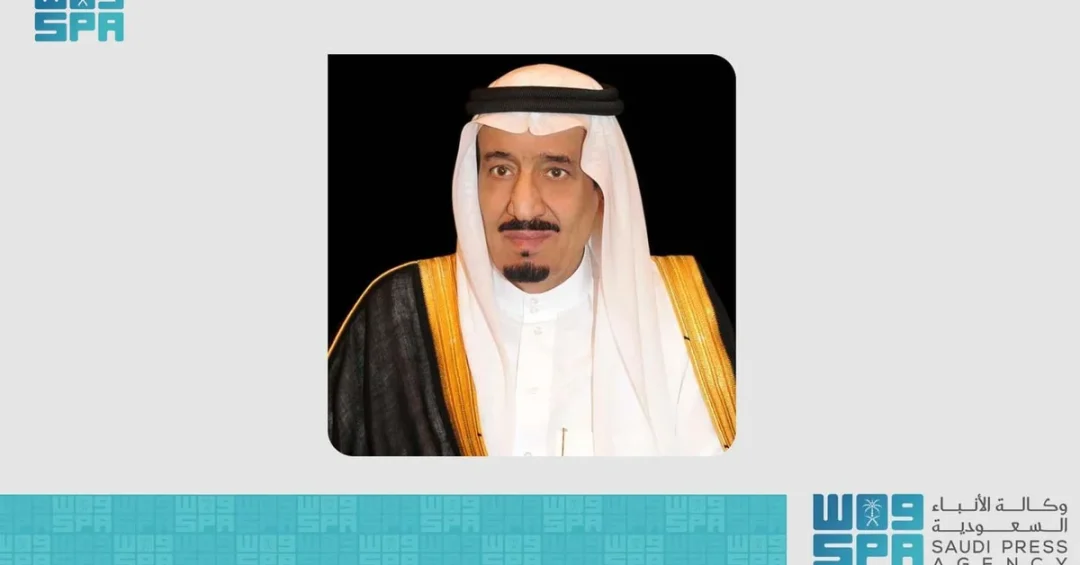
Custodian of the Two Holy Mosques King Salman bin Abdulaziz Al Saud has approved the awarding of the Merit Medal of the Third Class to 60 Saudi citizens in recognition of their voluntary blood donation ten times, according to the Saudi Press Agency (SPA). The royal approval, announced on July 2, 2024, highlights the Kingdom’s appreciation for individuals who contribute to national health security through regular blood donation.
Context and Background
The awarding of the Merit Medal of the Third Class is part of Saudi Arabia’s broader efforts to encourage civic responsibility and volunteerism. The medal, granted by royal decree, recognizes citizens who have demonstrated exceptional commitment to humanitarian causes. Blood donation is a critical component of the Kingdom’s healthcare system, ensuring adequate supplies for emergencies, surgeries, and chronic conditions. The Saudi Ministry of Health has long promoted blood donation through awareness campaigns and mobile donation units, aligning with the goals of Saudi Vision 2030 to enhance quality of life and promote a culture of giving.
This initiative also reflects the leadership’s dedication to honoring those who selflessly serve their communities. By acknowledging these 60 individuals, the Kingdom sets a precedent for others to participate in life-saving activities.
Key Details
The 60 citizens were selected based on their consistent donation history, having donated blood at least ten times. The Merit Medal of the Third Class is a prestigious national honor awarded for distinguished service to the nation. The royal approval was announced by the Saudi Press Agency, underscoring the official recognition of their contributions. While the names of the recipients have not been publicly released, the gesture serves as an inspiration for others to follow suit.
The Ministry of Health continues to emphasize the importance of regular blood donation, particularly during periods of high demand such as holidays and summer months. The Kingdom’s blood banks rely on voluntary donations to maintain sufficient reserves for all citizens and residents.
Implications and Impact
This recognition is expected to boost participation in blood donation programs across Saudi Arabia. By publicly honoring these individuals, the government encourages a spirit of volunteerism and communal solidarity. Moreover, it reinforces the Kingdom’s commitment to achieving the health-related targets of Vision 2030, which include improving healthcare quality and promoting preventive care.
On a regional level, Saudi Arabia’s proactive approach to blood donation and public health serves as a model for other nations. The medal also highlights the crucial role of citizens in supporting national healthcare infrastructure, especially in a country that hosts millions of pilgrims annually and faces unique public health challenges.
Vision 2030 Alignment
This initiative is closely tied to Saudi Vision 2030, which seeks to foster a vibrant society where citizens actively contribute to the well-being of their communities. By celebrating blood donors, the Kingdom promotes a culture of altruism and civic engagement, key pillars of the Vision’s social framework. Furthermore, it supports the goal of enhancing the quality of life for all residents by ensuring a safe and sustainable blood supply. As Saudi Arabia continues to advance its healthcare sector, such recognition programs will play a vital role in encouraging voluntary participation and strengthening national resilience.
20 Questions
Q1. What did King Salman approve on July 2, 2024?
A1. King Salman approved awarding the Merit Medal of the Third Class to 60 Saudi citizens who donated blood ten times, as reported by the Saudi Press Agency.
Q2. How many Saudis received the Merit Medal of the Third Class?
A2. A total of 60 Saudi citizens were awarded the Merit Medal of the Third Class for their repeated blood donations.
Q3. What is the Merit Medal of the Third Class?
A3. It is a prestigious national honor awarded by royal decree to recognize distinguished service or achievements that benefit the Kingdom of Saudi Arabia.
Q4. Why were these citizens awarded the medal?
A4. They were awarded for donating blood ten times, demonstrating exceptional commitment to saving lives and supporting the national healthcare system.
Q5. Which agency reported the royal approval?
A5. The Saudi Press Agency (SPA), the official news agency of Saudi Arabia, reported the royal approval on July 2, 2024.
Q6. What is the significance of donating blood ten times?
A6. Donating blood ten times indicates a consistent and selfless contribution to maintaining adequate blood supplies for emergencies, surgeries, and chronic conditions.
Q7. How does this recognition align with Saudi Vision 2030?
A7. It promotes volunteerism, civic responsibility, and a vibrant society, which are key objectives of Saudi Vision 2030 to enhance quality of life.
Q8. What role does blood donation play in Saudi healthcare?
A8. Blood donation is vital for ensuring sufficient reserves for patients, especially during peak demand periods and public health emergencies.
Q9. Who can donate blood in Saudi Arabia?
A9. Healthy individuals who meet the eligibility criteria set by the Ministry of Health, such as age and weight requirements, can donate blood.
Q10. How does the Ministry of Health encourage blood donation?
A10. The Ministry of Health conducts awareness campaigns, operates mobile donation units, and collaborates with organizations to facilitate regular donation drives.
Q11. What impact will this recognition have on blood donation rates?
A11. It is expected to inspire more citizens to donate blood regularly, thereby strengthening the national blood supply and saving more lives.
Q12. Are the names of the recipients publicly available?
A12. The names have not been publicly released to respect their privacy, but the honor itself serves as a public acknowledgment of their contributions.
Q13. How does blood donation support Saudi Arabia’s pilgrim population?
A13. With millions of pilgrims visiting annually, a robust blood supply is crucial to handle any medical emergencies during Hajj and Umrah seasons.
Q14. What other initiatives exist to promote volunteerism in Saudi Arabia?
A14. The Kingdom has various volunteer programs under Vision 2030, including platforms that connect volunteers with opportunities in health, education, and social services.
Q15. Can non-Saudis receive this medal for blood donation?
A15. The medal is typically awarded to Saudi citizens, but non-Saudis may receive other forms of recognition for their contributions to Saudi society.
Q16. How often can an individual donate blood in Saudi Arabia?
A16. The Ministry of Health advises that healthy individuals can donate blood every three to four months, depending on their health status.
Q17. What are the health benefits of donating blood?
A17. Regular blood donation can help balance iron levels, improve cardiovascular health, and provide a sense of psychological well-being through altruism.
Q18. How does the government ensure the safety of blood donation?
A18. Strict screening protocols, sterile equipment, and trained healthcare professionals ensure the safety of both donors and recipients.
Q19. What message does this royal approval send to society?
A19. It conveys the leadership’s appreciation for selfless acts and encourages a culture of giving and community solidarity across the Kingdom.
Q20. How can individuals participate in blood donation programs?
A20. They can visit local blood banks, participate in mobile donation drives, or contact the Ministry of Health for information on upcoming campaigns.
Reader Feedback
We value your thoughts. Please share your feedback on this article.
Your feedback helps us improve our coverage.