


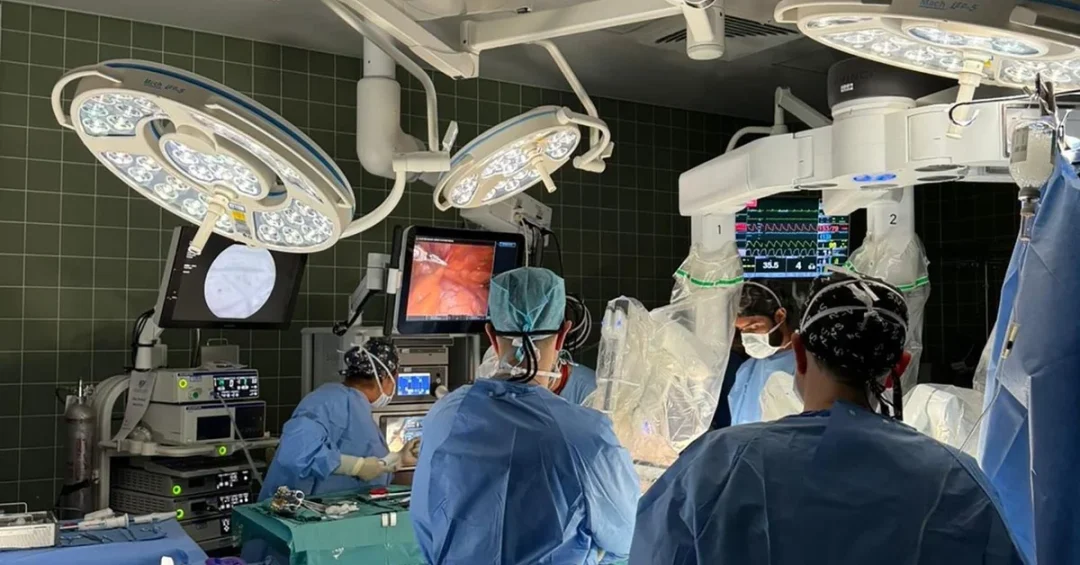
The Cardiac Center at King Fahd Hospital, part of Imam Abdulrahman bin Faisal University in Al-Khobar, has successfully performed 12 open-heart surgeries using a surgical robot, according to a press statement issued by the center on August 25, 2024. The announcement marks a significant milestone in Saudi Arabia’s advancing healthcare capabilities and reflects the Kingdom’s broader commitment to adopting cutting-edge medical technologies in line with Vision 2030.
Context and Background
The achievement was reported by the Saudi Press Agency and represents a notable step forward for robotic cardiac surgery in the Eastern Province. King Fahd Hospital, a teaching hospital affiliated with Imam Abdulrahman bin Faisal University, has positioned itself at the forefront of medical innovation in the region. The Cardiac Center’s successful use of robotic technology for open-heart procedures underscores the growing integration of advanced surgical systems into Saudi Arabia’s healthcare infrastructure.
Robotic-assisted surgery has become a global trend in medicine, offering surgeons enhanced precision and control during complex procedures. The technology provides advanced robotic arms that enable delicate and controlled movements, reducing the risk of human error and increasing the overall success rate of operations. Saudi Arabia’s investment in such technologies aligns with its national strategy to elevate healthcare standards and improve patient outcomes across the Kingdom.
Key Details
Dr. Fahd Makhdom, a cardiac surgeon at the university hospital, emphasized that this development represents a significant advancement in cardiac care. He noted that the use of robotic technology enables patients to recover faster and return to their normal lives more quickly. ‘Open-heart surgery requires precision and skill,’ Makhdom said, adding that the hospital’s experience with the robot has demonstrated its effectiveness in improving patient outcomes.
The Cardiac Center outlined several key benefits of robotic surgery, including smaller incisions, minimized complications, shorter recovery periods, and faster resumption of daily activities. These advantages are particularly important for cardiac patients, who often face prolonged recovery times after traditional open-heart procedures. By adopting robotic-assisted techniques, the hospital is setting a new standard for cardiac care in the region.
The successful completion of 12 robotic open-heart surgeries reflects the hospital’s commitment to investing in advanced medical technologies and training its surgical teams in their use. The center’s achievement also highlights the collaborative efforts between academic institutions and healthcare providers in Saudi Arabia to drive innovation and improve patient care.
Implications and Impact
The successful adoption of robotic cardiac surgery at King Fahd Hospital has significant implications for healthcare in Saudi Arabia and the wider region. It demonstrates the Kingdom’s growing capacity to deliver world-class medical services and positions Saudi Arabia as a leader in adopting innovative surgical technologies. For patients, the availability of robotic-assisted heart surgery means access to safer, less invasive procedures with faster recovery times and reduced risk of complications.
The achievement also has broader implications for medical tourism and regional healthcare competitiveness. As Saudi Arabia continues to develop its healthcare sector under Vision 2030, advanced capabilities like robotic cardiac surgery can attract patients from across the region and beyond, further enhancing the Kingdom’s reputation as a destination for high-quality medical care.
Furthermore, the success of the program at King Fahd Hospital serves as a model for other healthcare institutions in Saudi Arabia. It demonstrates the feasibility and benefits of integrating robotic systems into surgical practice, potentially encouraging wider adoption across the Kingdom’s hospital network. This aligns with the national goal of improving healthcare access and quality for all citizens and residents.
Vision 2030 Alignment
The adoption of robotic surgery at King Fahd Hospital is a clear reflection of Saudi Arabia’s Vision 2030 objectives, particularly the Health Sector Transformation Program, which aims to enhance the quality and efficiency of healthcare services. By embracing advanced technologies and fostering innovation, the Kingdom is building a resilient, patient-centered healthcare system that meets international standards.
As Saudi Arabia continues to invest in its healthcare infrastructure and human capital, achievements like this underscore the nation’s commitment to improving the well-being of its people and strengthening its position as a global leader in medical innovation. The successful integration of robotic cardiac surgery at King Fahd Hospital is not only a triumph for the institution but also a symbol of the Kingdom’s broader progress toward a healthier, more advanced future.
20 Questions
Q1. What hospital performed the robotic open-heart surgeries?
A1. The Cardiac Center at King Fahd Hospital, part of Imam Abdulrahman bin Faisal University in Al-Khobar, performed the surgeries. It is a leading teaching hospital in Saudi Arabia’s Eastern Province.
Q2. How many robotic open-heart surgeries were successfully completed?
A2. The hospital successfully performed 12 open-heart surgeries using a surgical robot. This marks a significant milestone in cardiac care within the Kingdom.
Q3. When was the announcement made?
A3. The press statement was issued on August 25, 2024, by the Cardiac Center at King Fahd Hospital. It was reported by the Saudi Press Agency.
Q4. Who is Dr. Fahd Makhdom?
A4. Dr. Fahd Makhdom is a cardiac surgeon at King Fahd Hospital. He highlighted the significant advancement in cardiac care enabled by robotic technology.
Q5. What are the benefits of robotic surgery mentioned by the hospital?
A5. Benefits include smaller incisions, minimized complications, shorter recovery periods, and faster resumption of daily activities. These advantages improve patient outcomes and quality of life.
Q6. How does robotic technology enhance surgical accuracy?
A6. Robotic technology provides surgeons with advanced robotic arms that allow for delicate and controlled movements. This reduces the risk of human error and increases the success rate of operations.
Q7. Why is this achievement significant for Saudi Arabia?
A7. It demonstrates Saudi Arabia’s advancing healthcare capabilities and its commitment to adopting cutting-edge medical technologies. This aligns with the Kingdom’s Vision 2030 goals for healthcare transformation.
Q8. What is the global trend in medicine mentioned by Dr. Makhdom?
A8. The use of robotic technology in surgery has become a global trend. It offers precision and improved outcomes for patients undergoing complex procedures.
Q9. What is the name of the university affiliated with the hospital?
A9. Imam Abdulrahman bin Faisal University is the affiliated institution. It is a prominent academic and research university in Saudi Arabia’s Eastern Province.
Q10. How does robotic surgery reduce recovery time?
A10. Robotic surgery involves smaller incisions, which leads to less trauma and faster healing. Patients can return to their normal activities more quickly compared to traditional open-heart surgery.
Q11. What did Dr. Makhdom say about open-heart surgery?
A11. He stated that open-heart surgery requires precision and skill. The hospital’s experience with the robot has shown its effectiveness in improving patient outcomes.
Q12. What are the key features of the robotic system used?
A12. The system includes advanced robotic arms that enable delicate and controlled movements. It enhances accuracy and efficiency during surgery, reducing the risk of errors.
Q13. How does this achievement impact medical tourism in Saudi Arabia?
A13. It enhances Saudi Arabia’s reputation as a destination for high-quality medical care. Advanced capabilities like robotic cardiac surgery can attract patients from across the region and beyond.
Q14. What is the Cardiac Center’s role in this achievement?
A14. The Cardiac Center at King Fahd Hospital performed the surgeries and issued the press statement. It is a specialized center dedicated to advanced cardiac care.
Q15. How does robotic surgery minimize complications?
A15. Robotic surgery reduces complications through smaller incisions and precise movements. This lowers the risk of infection and other post-operative issues.
Q16. What does the success of these surgeries indicate about Saudi healthcare?
A16. It indicates that Saudi healthcare is advancing rapidly and adopting innovative technologies. The Kingdom is committed to providing world-class medical services to its citizens and residents.
Q17. How does this align with Vision 2030?
A17. It aligns with the Health Sector Transformation Program under Vision 2030. The program aims to enhance healthcare quality and efficiency through innovation and technology.
Q18. What might be the next steps for the hospital?
A18. The hospital may expand its robotic surgery program to more patients. It could also train more surgeons in robotic techniques to further improve outcomes.
Q19. What is the significance of using a robot for open-heart surgery?
A19. It represents a major advancement in cardiac care, offering patients faster recovery and fewer complications. It positions the hospital as a leader in innovative surgical practices.
Q20. How does this achievement reflect Saudi Arabia’s global role?
A20. It showcases Saudi Arabia’s leadership in adopting advanced medical technologies. The Kingdom is strengthening its position as a global leader in healthcare innovation and patient care.
Reader Feedback
We value your thoughts. Please share your feedback on this article.
Your feedback helps us improve our coverage.